Ambulance Life A Paramedic Simulator Review: a game in dire need of intensive care
, by Enzo
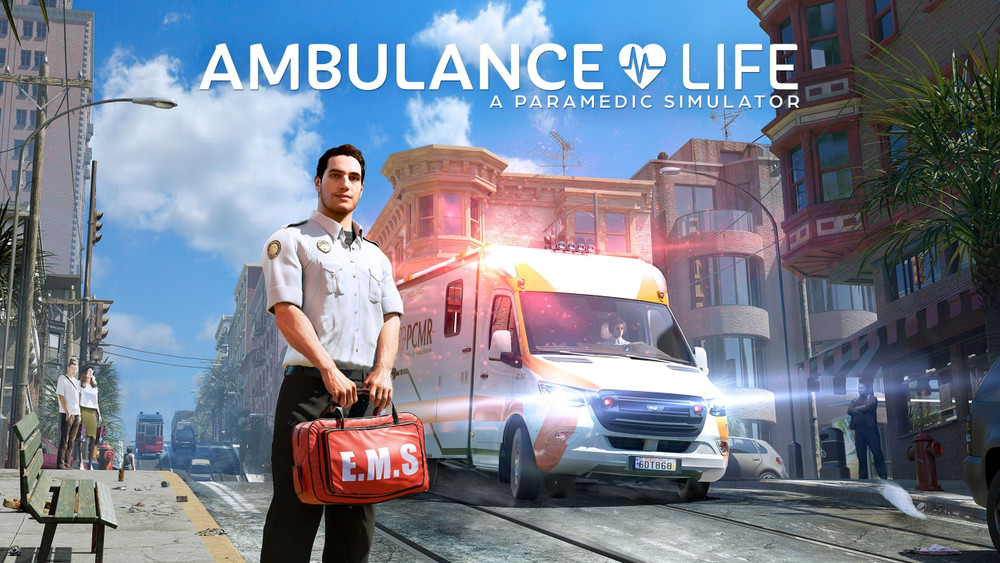
Following a previous title that immersed players in the world of law enforcement, Aesir Interactive is now turning its attention to the medical field with its latest production. Ambulance Life: A Paramedic Simulator puts players in the midst of medical emergencies, taking on the role of a paramedic. With races against the clock, rapid diagnoses and first aid, the game promises an original look into the heart of emergency response. It is a compelling concept on paper, but one that struggles to shine once the emergency lights start flashing.
A solid concept
Responding to emergency calls, reaching the scene, assessing victims’ conditions, administering first aid and transporting patients to hospital… this is the daily routine of a paramedic as portrayed in Ambulance Life: A Paramedic Simulator. And so far, we’re genuinely impressed: this is a field that remains significantly underrepresented in video games.
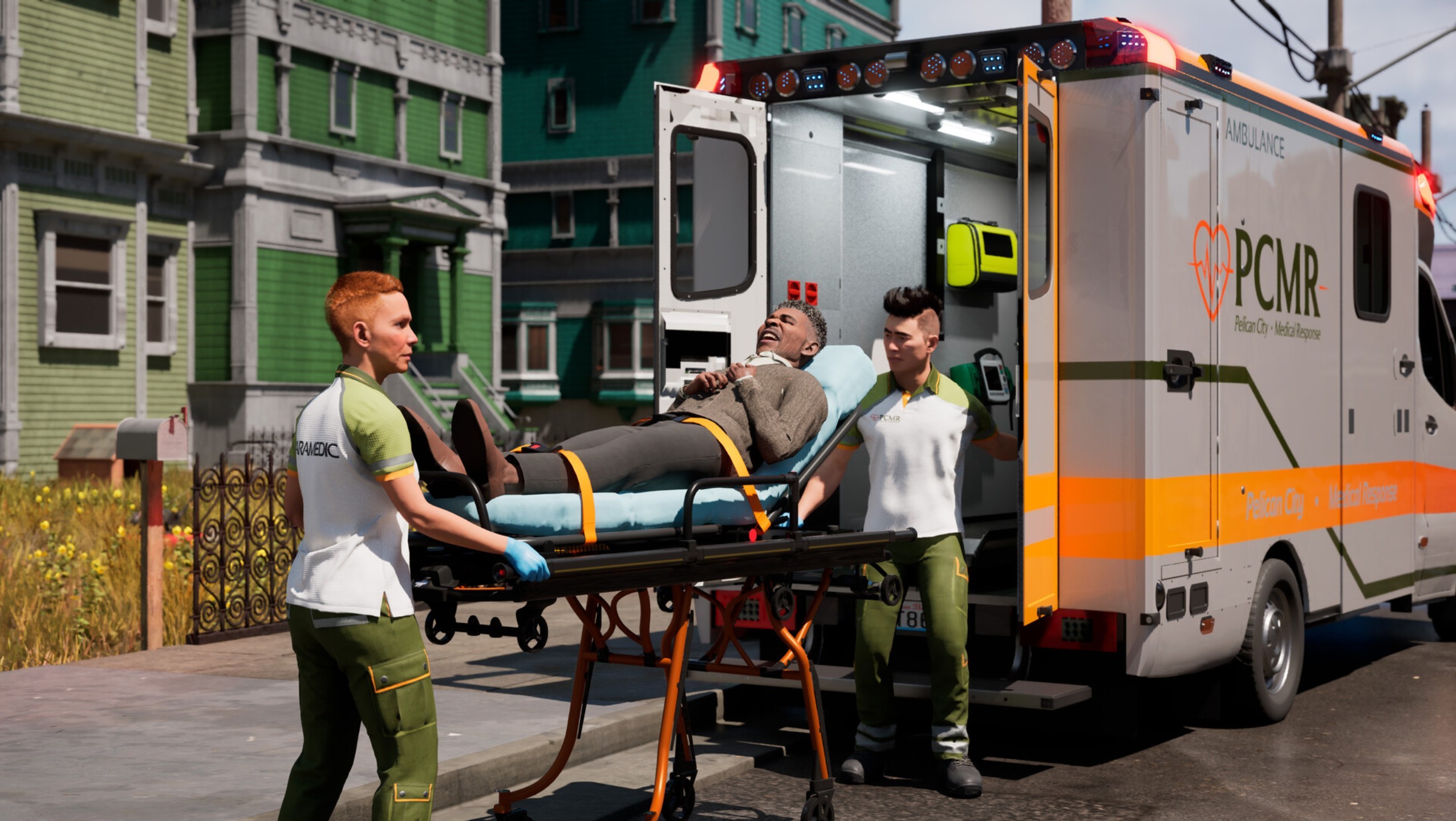
Here, the goal is not simply to drive a specialised vehicle or manage a service through menus. The game aims to take players through every stage of an emergency response, from the initial call to the patient’s treatment. Driving, observation, first aid and assessment all put a wide range of skills to the test.

Behind the wheel, then at the victim’s side
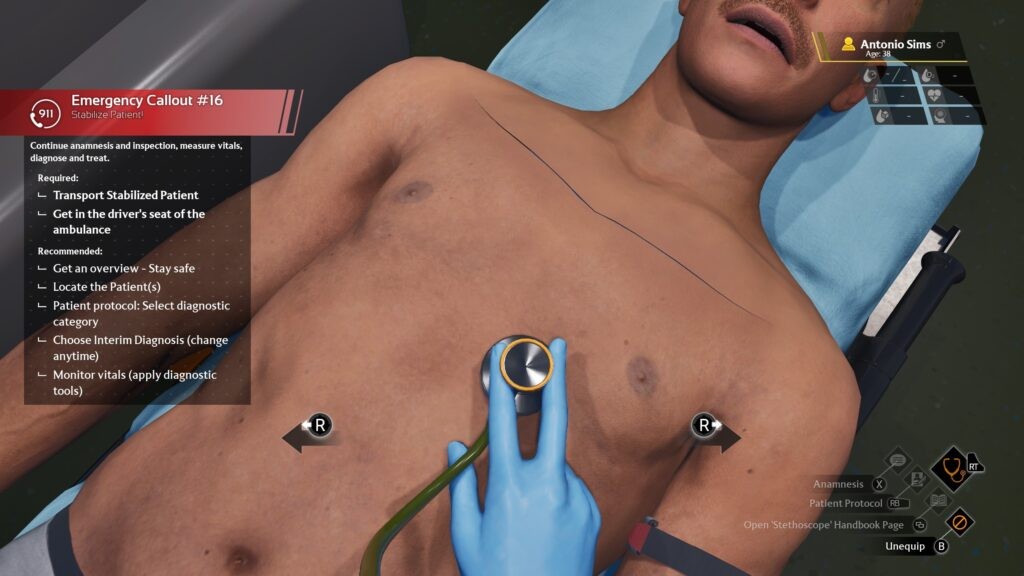
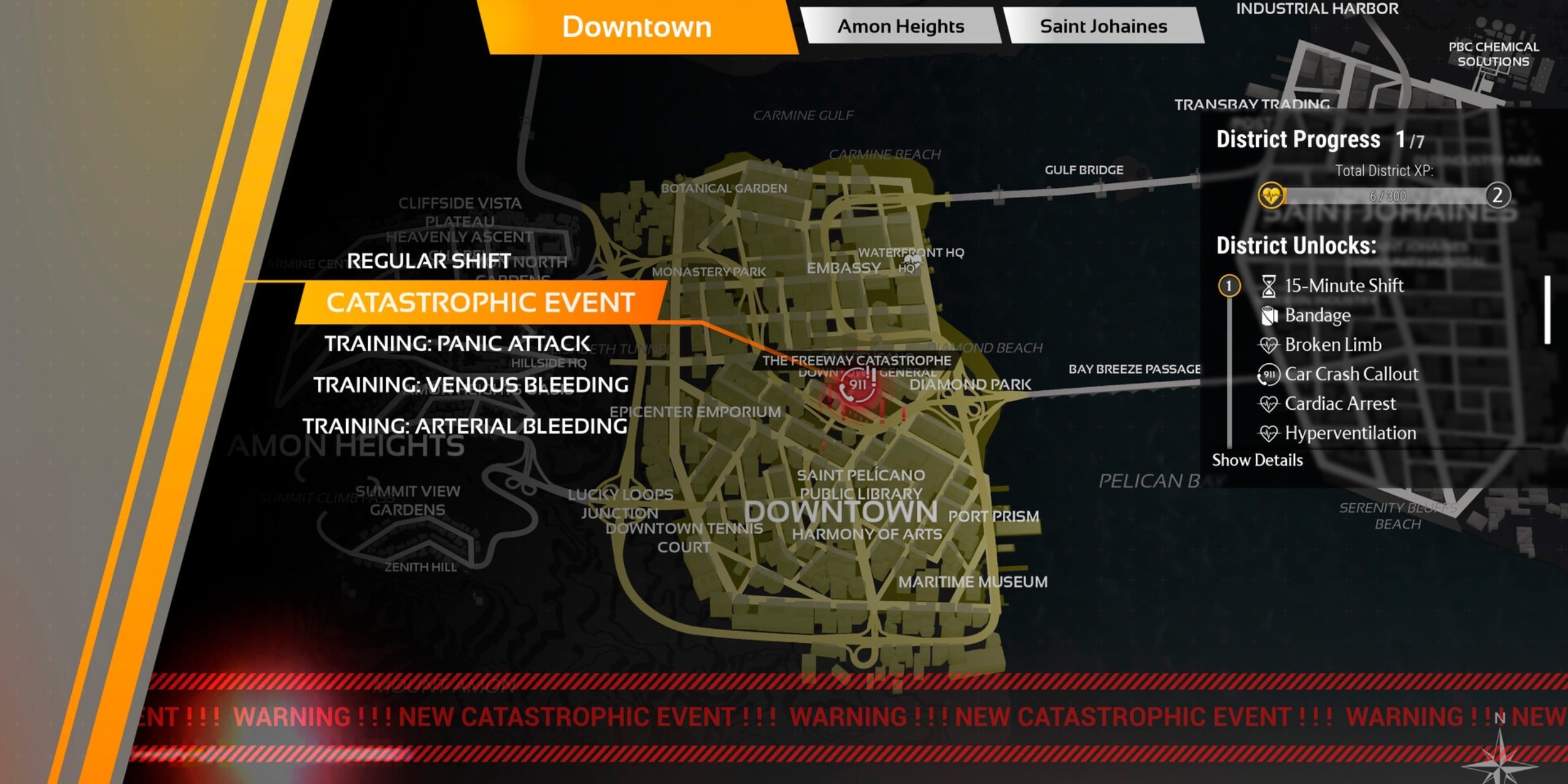
The overall structure is built around a straightforward gameplay loop. This progression has the advantage of being clear, and the game takes care to introduce its tools, procedures and different types of emergency gradually. However, the sheer number of tutorials can become overwhelming. In a rather ironic twist, players may occasionally find themselves lost amid the constant stream of information and available options.
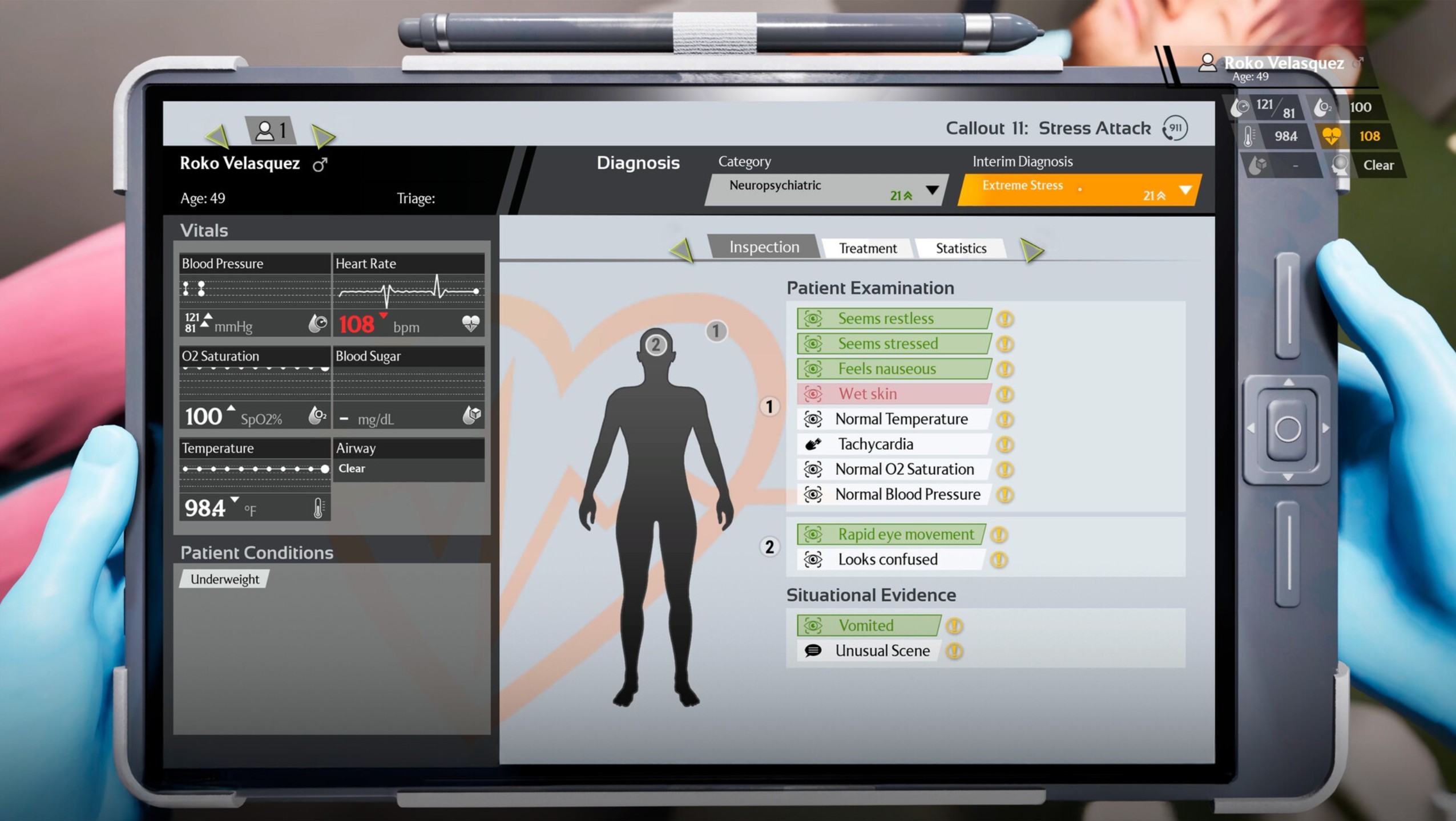
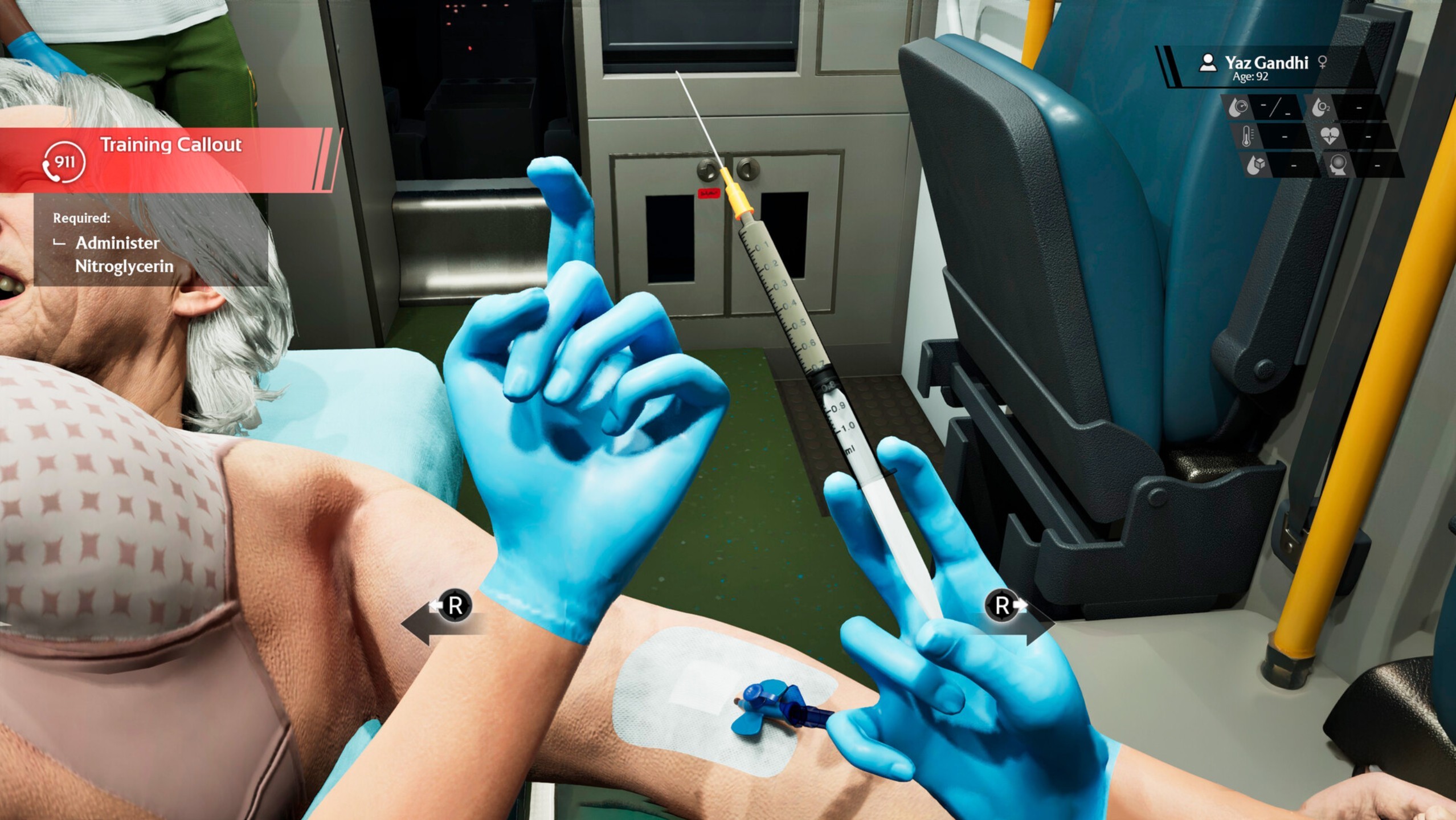
Behind the wheel of the ambulance, there is no time to waste. Once at the scene, players cannot simply press a button to “heal” a victim: they must identify specific symptoms, follow precise steps, choose the appropriate procedures and adapt to the situation. While it never reaches the depths of a hardcore simulation, the game occasionally succeeds in making players feel as though they are taking part in a genuine emergency response.

A technically shaky execution
And this is largely where the game’s positive aspects end: with its concept on paper. The actual execution is simply poor, lacking depth and riddled with bugs and inconsistencies.
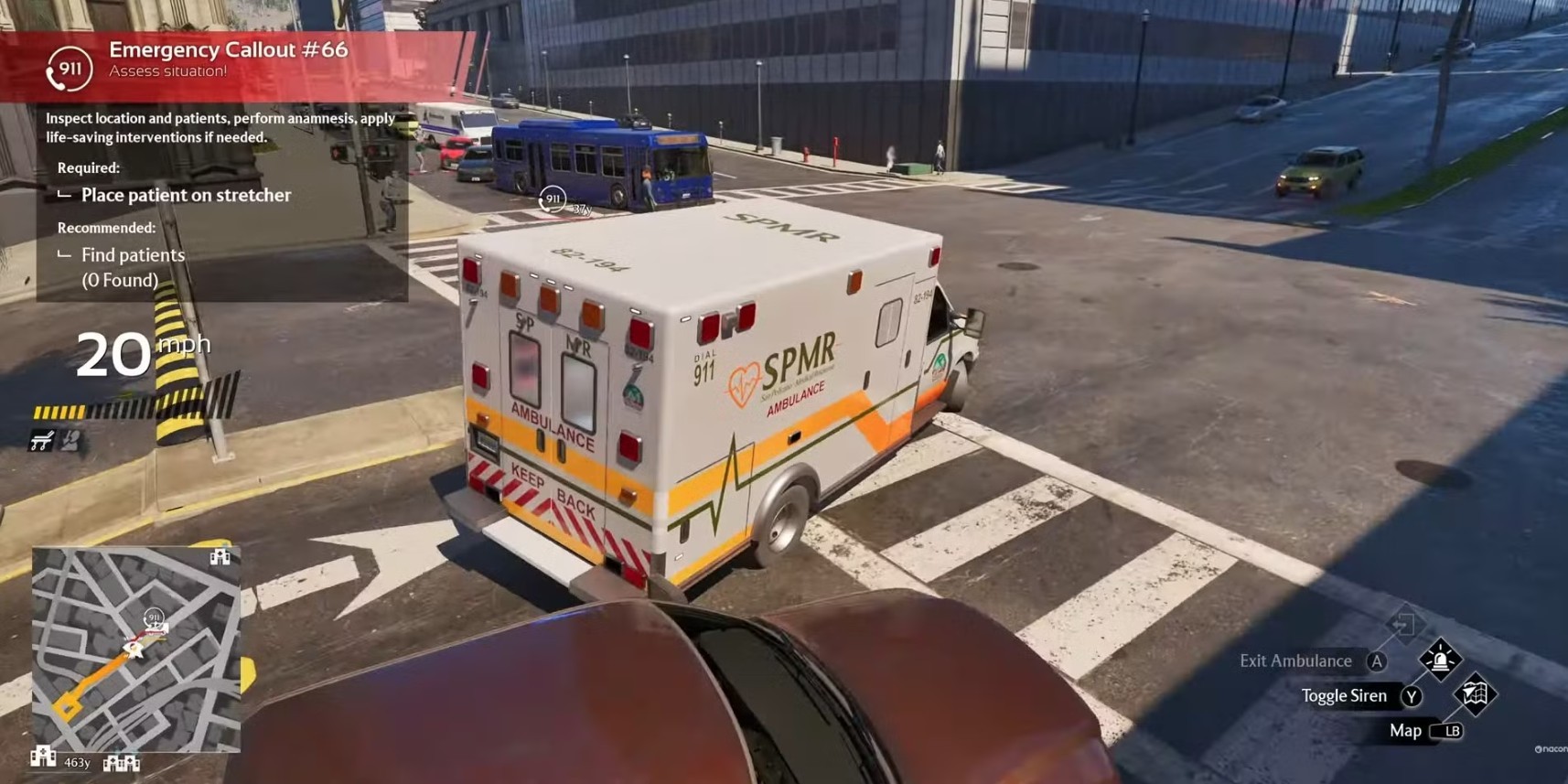
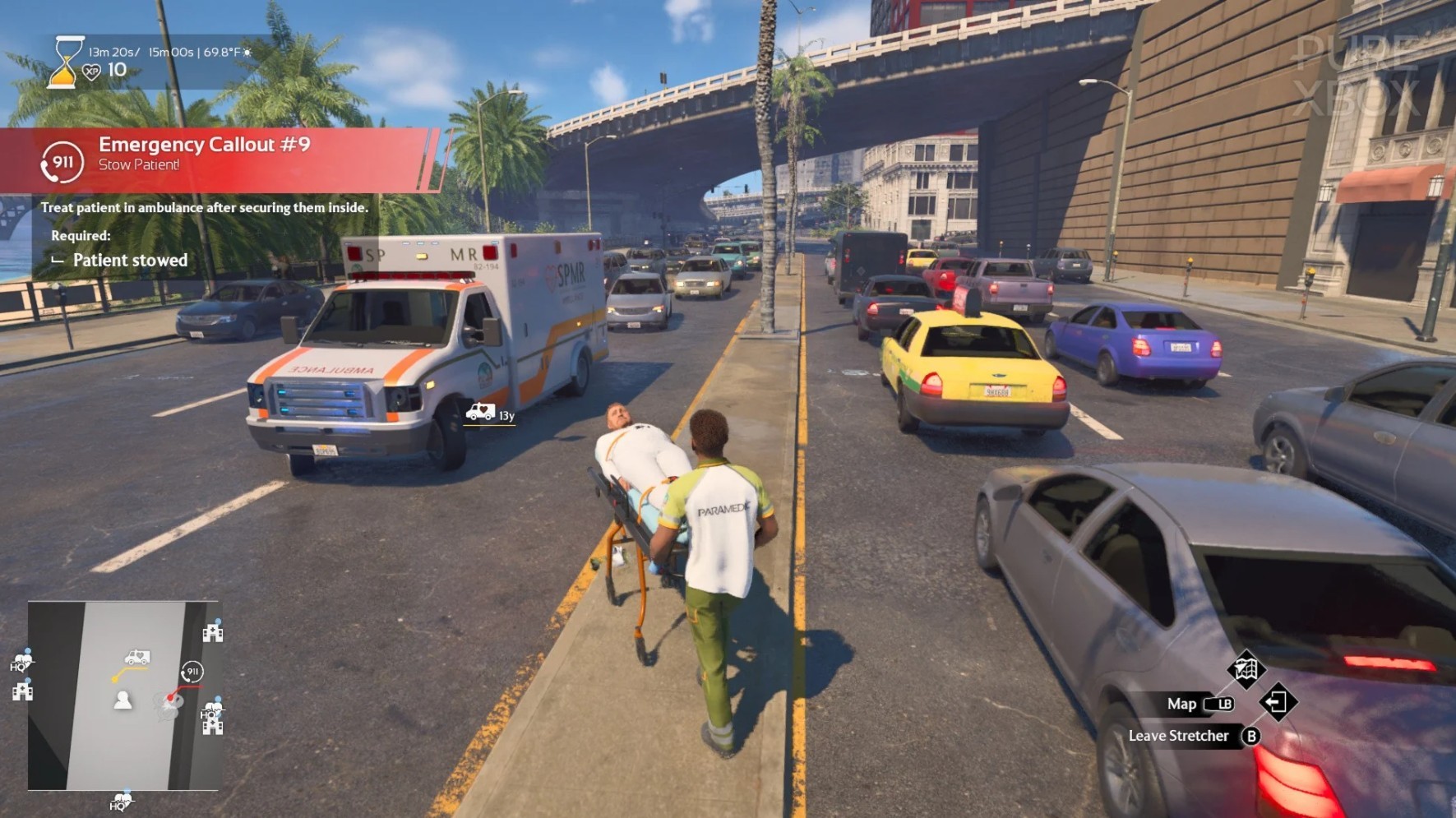
When it comes to driving, the game lacks any real character. Traffic behaves erratically, not to mention pedestrians who occasionally throw themselves under your wheels, immediately bringing the mission to an end. Once you reach your destination, conversations with victims, which are supposed to help guide your diagnosis, rarely provide any useful information, making this entire stage feel largely pointless.
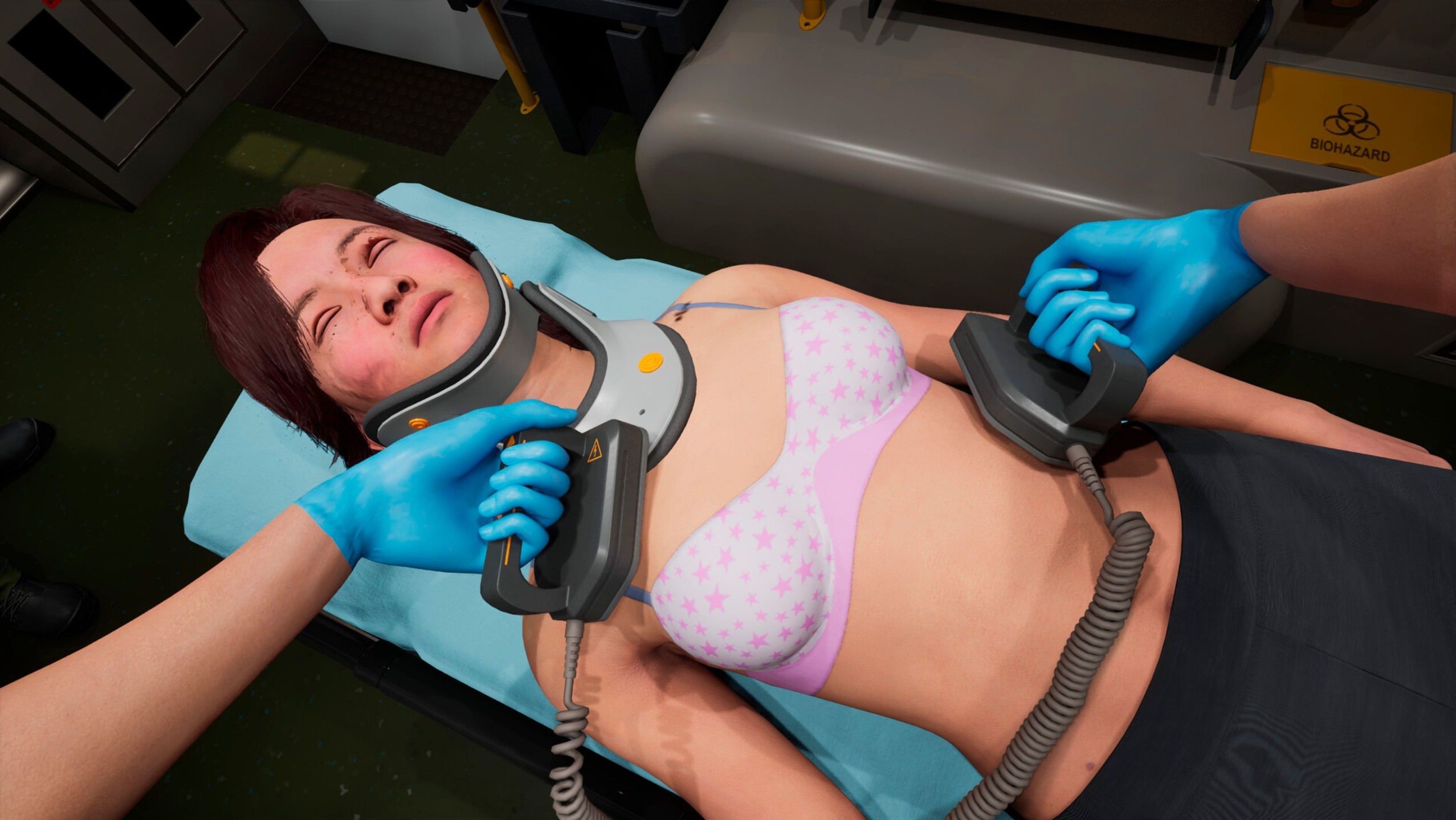
As for medical treatment, it would be unfair to say there is a lack of variety… but that is also part of the problem. There are so many options that players may struggle to figure out what to do and in what order, particularly when time is running out and the controls or quick-time events (QTEs) are rather unclear. Some emergencies require players to carefully prioritise which victims to treat, as it is impossible to save everyone.
Technically, the game is equally inconsistent. While Unreal Engine 5 brings some appealing elements to the table, including attractive lighting, the rest of the experience struggles to keep up. Bugs are plentiful, while the animations feel neglected and lifeless. In a game where everything revolves around the precise execution of procedures, even the smallest flaw becomes far more noticeable than it would in a more forgiving production.

Progression and repetition
As is often the case with games built around a clearly defined gameplay loop, repetition eventually sets in. Discovering the profession and exploring such a distinctive subject matter carry the experience for a while. But once the novelty wears off, the underlying structure becomes increasingly apparent, and fatigue soon follows.
Missions follow similar patterns, and progression introduces new situations without fundamentally changing how the game feels to play. Players quickly get a sense of the experience’s limitations. This lack of variety over time prevents the game from maintaining its intensity. We would have liked to see more diverse mechanics, such as managing multiple teams or even genuinely upgrading vehicles.
Tested on PC. See our rating policy here.
4/10
Unfortunately, this all feels like a wasted opportunity, because the game genuinely had potential. After a fairly decent first outing from the same studio in the law enforcement genre, we expected better, much better. With the captivating world of emergency response, a powerful game engine and the studio’s experience from a previous simulation centred on a similar profession, the foundations were there to create something worthwhile. Co-op would also have been a welcome addition, bringing some extra fun to the experience, much as it did in the previous instalment. While the game’s individual elements seem promising and rest on a coherent foundation, their execution feels unfinished, leaving the overall experience unconvincing. Our assessment might have been different had this been a beta or even a demo. However, Ambulance Life: A Paramedic Simulator is a full release, not an early access one.
- + Interesting and original setting
- + Improved lighting thanks to Unreal Engine 5
- + A variety of treatments and medical conditions
- + Great rance of siren sounds...?
- - Sloppy execution overall
- - Lack of optimisation
- - The gameplay loop gets too repetitive far too quickly
- - Incompetent partner AI
- - Plenty of bugs and poorly implemented animations