Pokémon Pokopia Review: A successful mix or a failed experiment?
, by Enzo
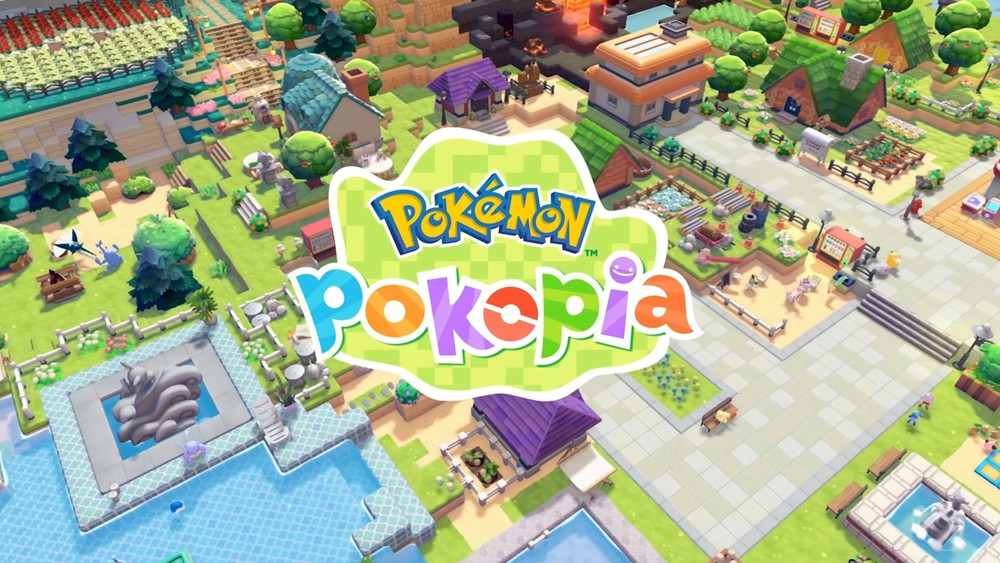
What if, after spending decades capturing, training, and battling them, it were finally time to simply… live with Pokémon? With Pokémon Pokopia, Nintendo’s famous franchise takes an unexpected turn, to say the least, by venturing into the realm of life simulation and building games. Playing as a Drowzee capable of taking on human form, this time you must gather resources, craft items, restore environments, and above all, create a little paradise likely to attract many Pokémon.
A formula that inevitably brings to mind Animal Crossing or even Dragon Quest Builders, but one that seeks to find its own identity thanks to the abilities of the franchise’s creatures. It’s a concept that sounds promising on paper, but it raises a question: does Pokémon Pokopia manage in drawing the best from these two iconic franchises to create a high-quality hybrid game, or does it fall short in its execution, ultimately amounting to nothing more than a somewhat lackluster, identity-less blend?
Taking the best of both worlds and putting them together?
While fans of the Nintendo ecosystem have been waiting for some time for the return of main Pokémon and Animal Crossing franchises with new main entries, we’re instead presented with Pokémon Pokopia. A Nintendo Switch 2 exclusive, it offers an unexpected ray of hope for fans of both franchises. The game blends the two worlds, drawing heavily on the mechanics and atmosphere of each, with a dash of terraforming thrown in.
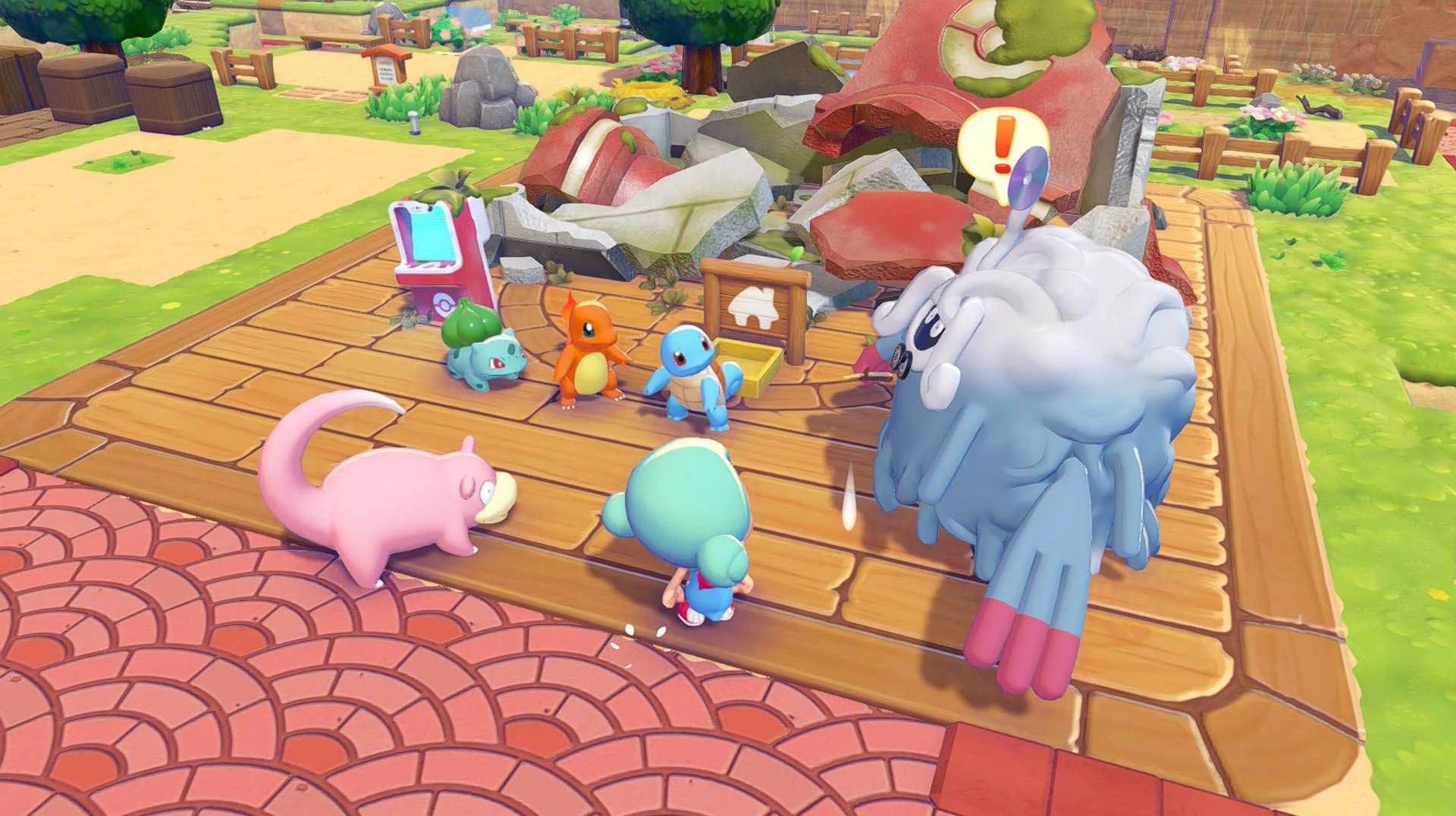
What if, all of a sudden, humanity had vanished, and you became the Pokémon tasked with rebuilding everything? From the very first minutes, Pokémon Pokopia sets the tone: this time, battles clearly take a back seat. The player takes on the role of a special Ditto, capable of assuming human form and, most importantly, using the abilities of the Pokémon it encounters throughout the adventure. It’s a simple idea, but a rather clever one, since it preserves one of the franchise’s fundamental elements while integrating it into an entirely new gameplay loop.

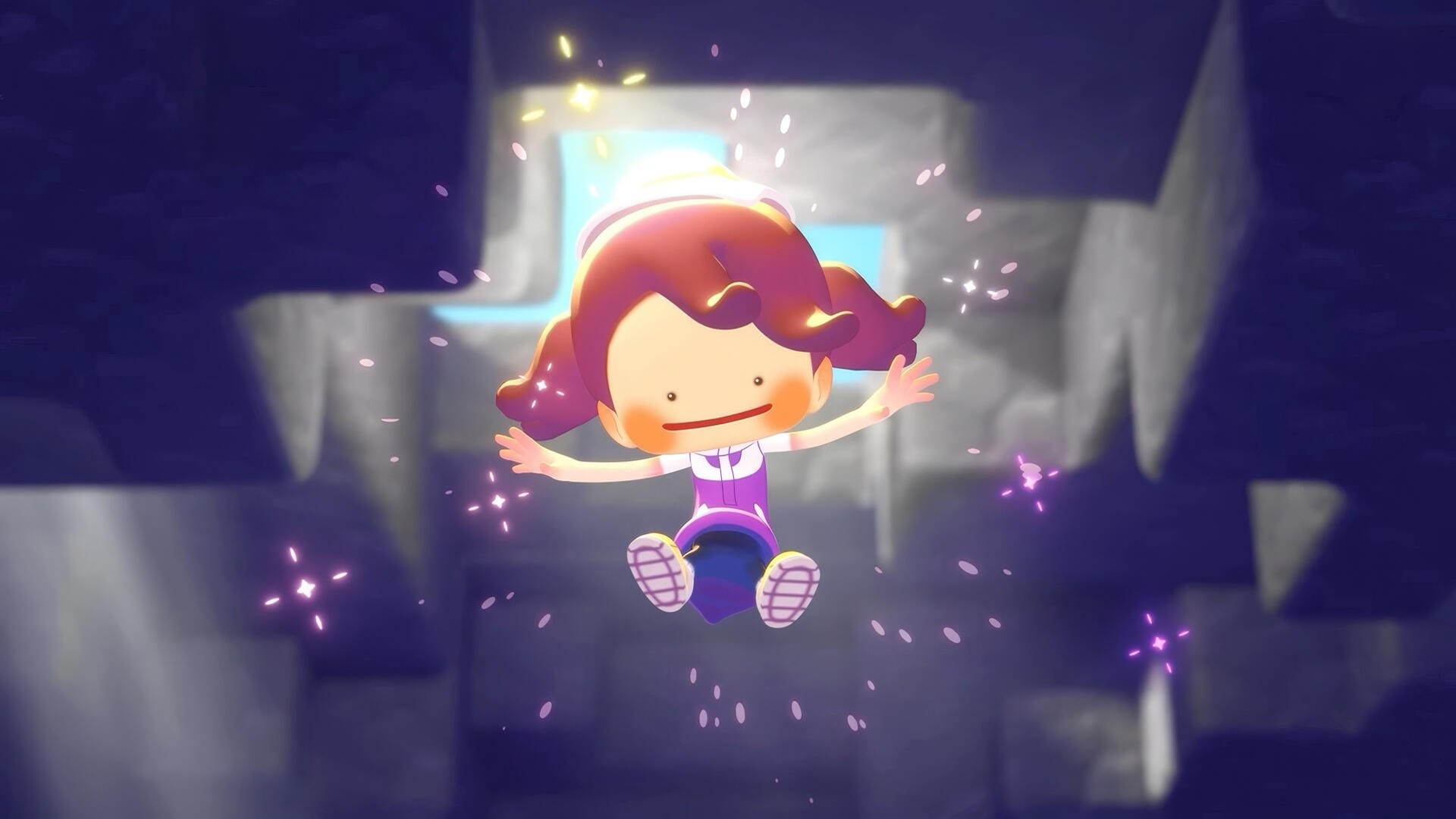
Much like Animal Crossing, the world our little hero inhabits has seen better days. So you’ll need to gradually bring it back to life, restore various environments, and encourage Pokémon to come and settle there. The storyline is intentionally lighthearted to leave plenty of room for exploration and creativity. There’s no need here to save the world every five minutes: seeing a desert area gradually transform into a welcoming place is already a (satisfying) reward in itself.
Another interesting parallel is that, just like the villagers in Animal Crossing, the Pokémon talk. While this might seem logical for an experience like this, it’s actually quite rare in the main series games, offering a touch of nostalgia. A few spin-offs also feature these creatures speaking, such as the Pokémon Mystery Dungeon games which, incidentally, have been missing from the gaming landscape for quite some time.
Throughout the adventure, Pokémon interact with one another independently—they tease each other or even play together, while others engage in a form of trade. It’s not just a simple, repetitive dialogue with the player; it truly brings a sense of life to the game. Furthermore, the usual, somewhat formal language is set aside in favor of something much more modern and lively, which appeals to both young and old alike.
Build, design, and transform
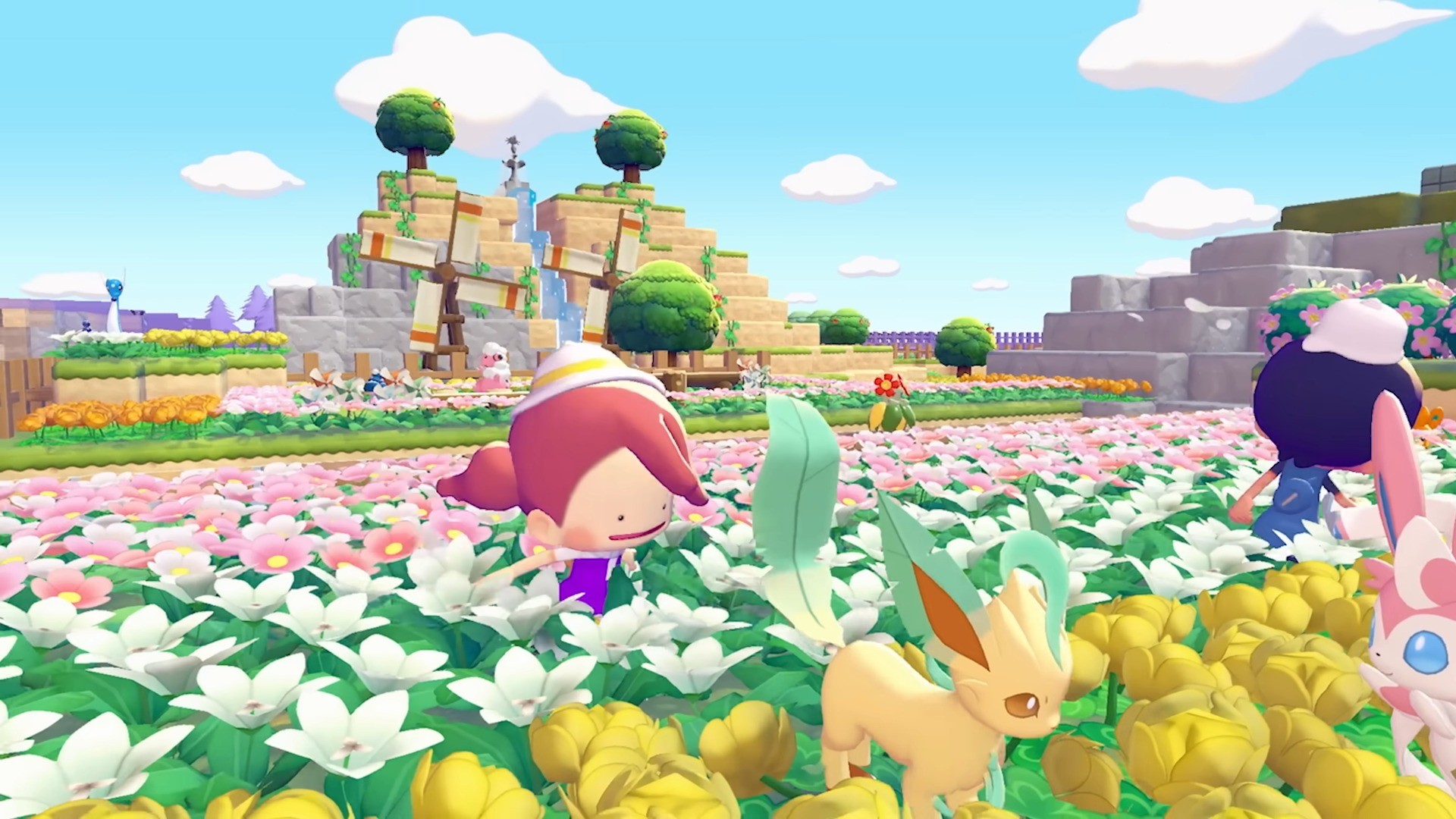
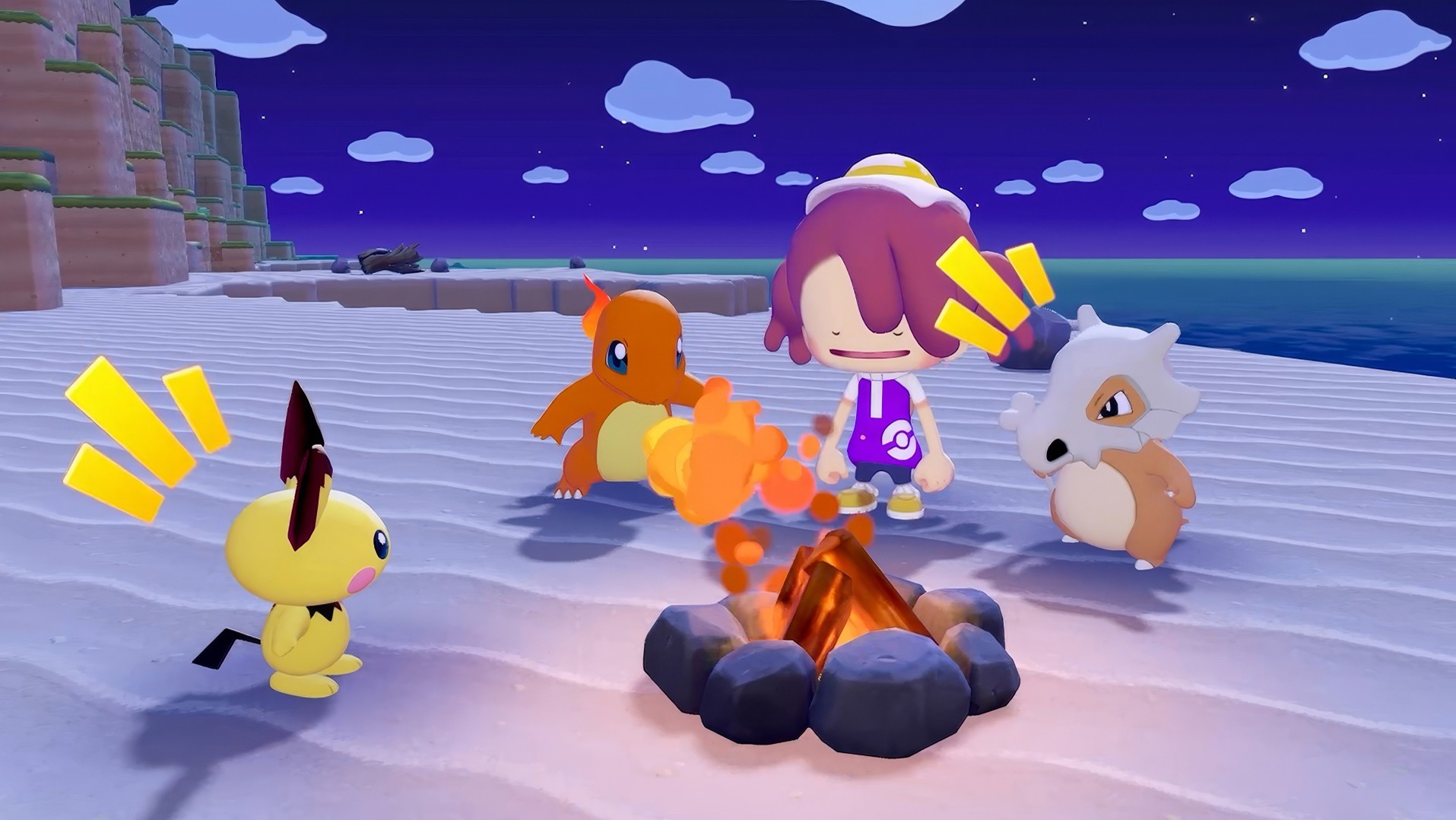
It’s clearly in the building aspect that Pokopia truly reveals its true potential. As you explore, you’ll need to gather various resources to craft items, build decorative elements, or upgrade the different available spaces. The loop is easy to grasp: explore, gather, craft, build… then set off on new adventures to unlock fresh possibilities.
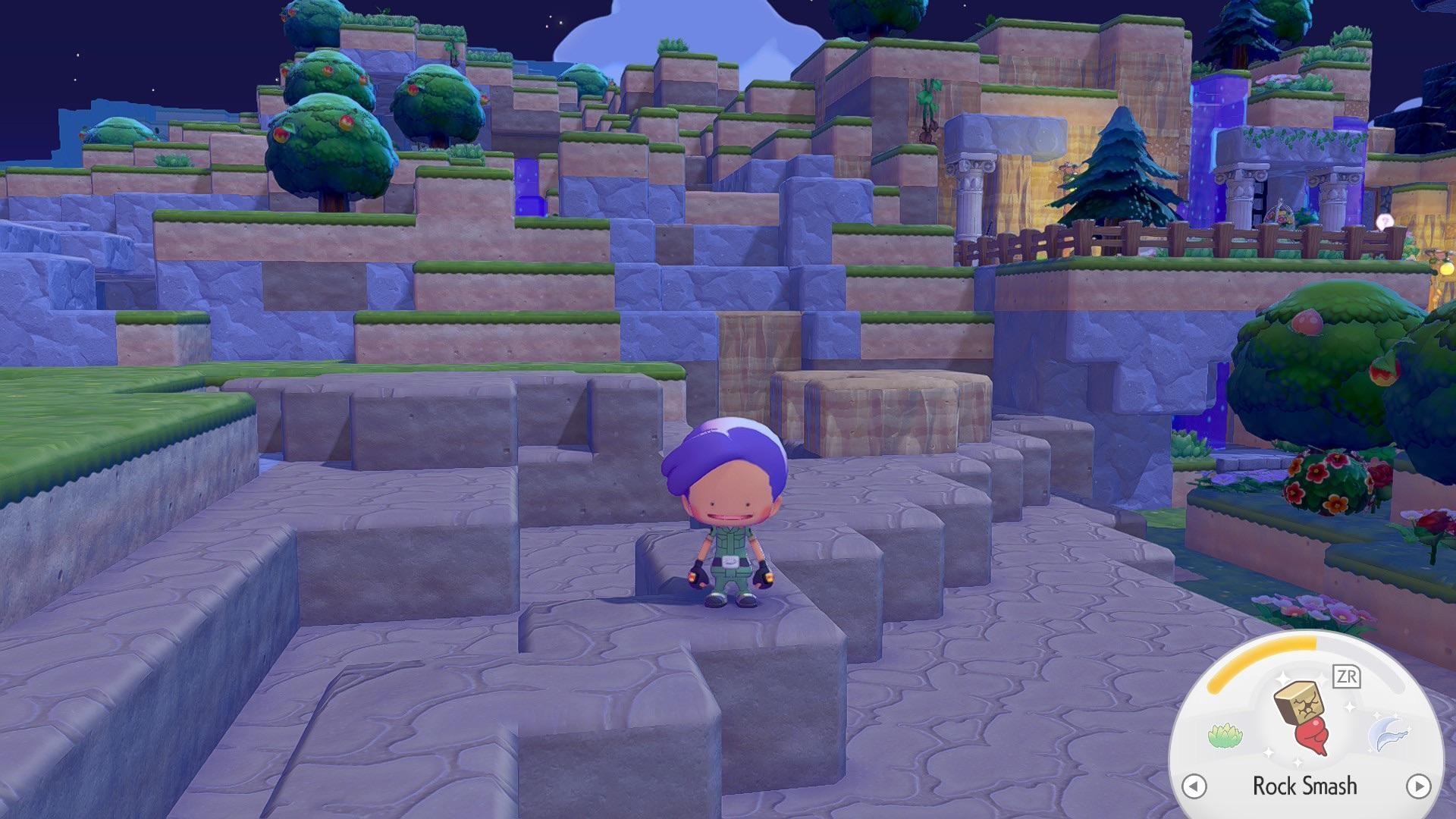
What sets the game apart is the use of Pokémon abilities. Ditto can learn certain skills from the creatures it encounters and apply them directly to its surroundings. An ability to grow vegetation, another to water crops, or even a skill to reshape the terrain—Pokémon thus become true tools for construction. Their presence directly contributes to the evolution of the various areas. You must create suitable environments to attract certain species, then develop the areas to make them increasingly pleasant. This aspect gives the progression real coherence: you don’t just build to accumulate new structures, but to create a world where Pokémon truly want to live.
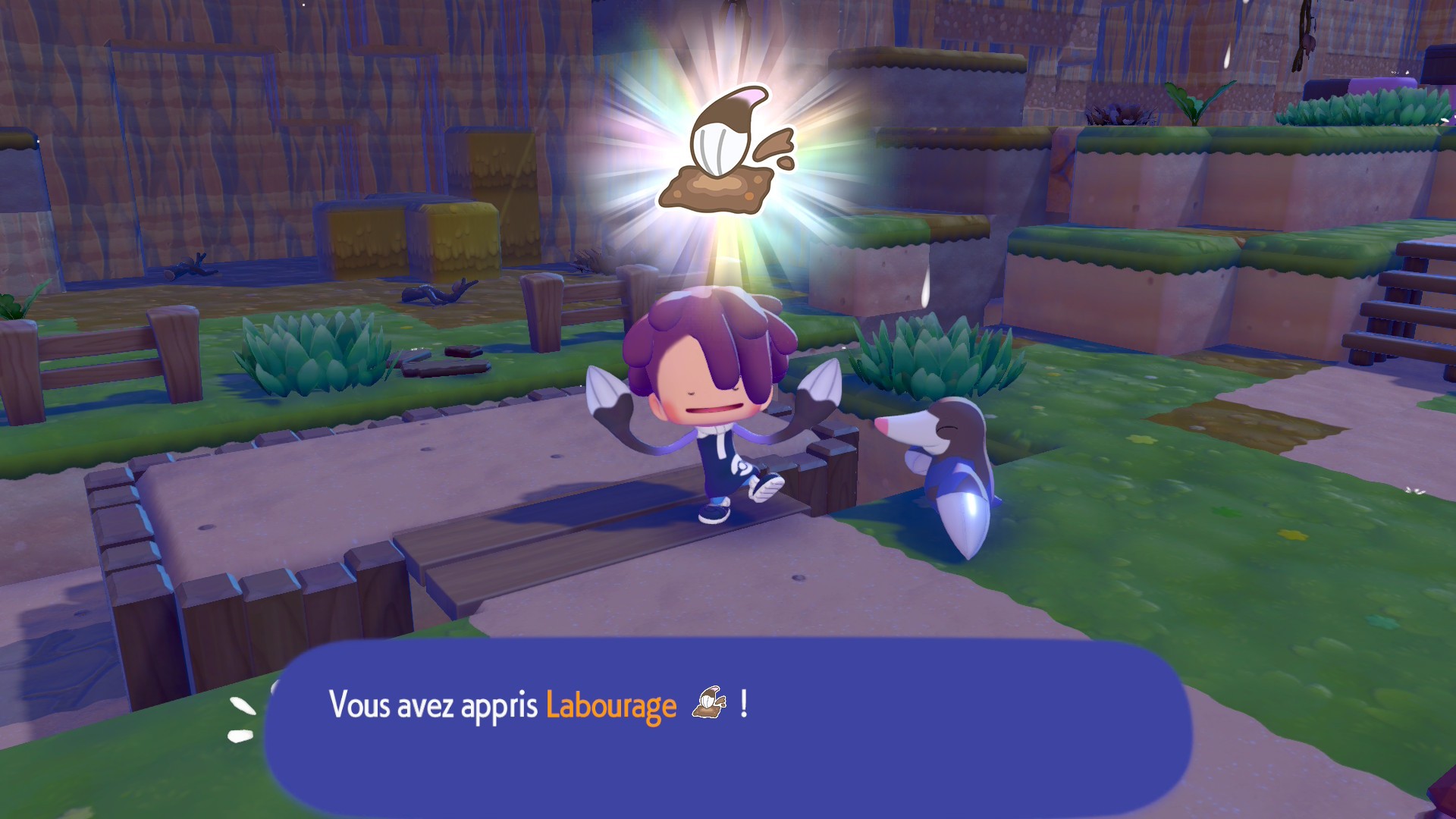
The Pokémon universe has never been this charming
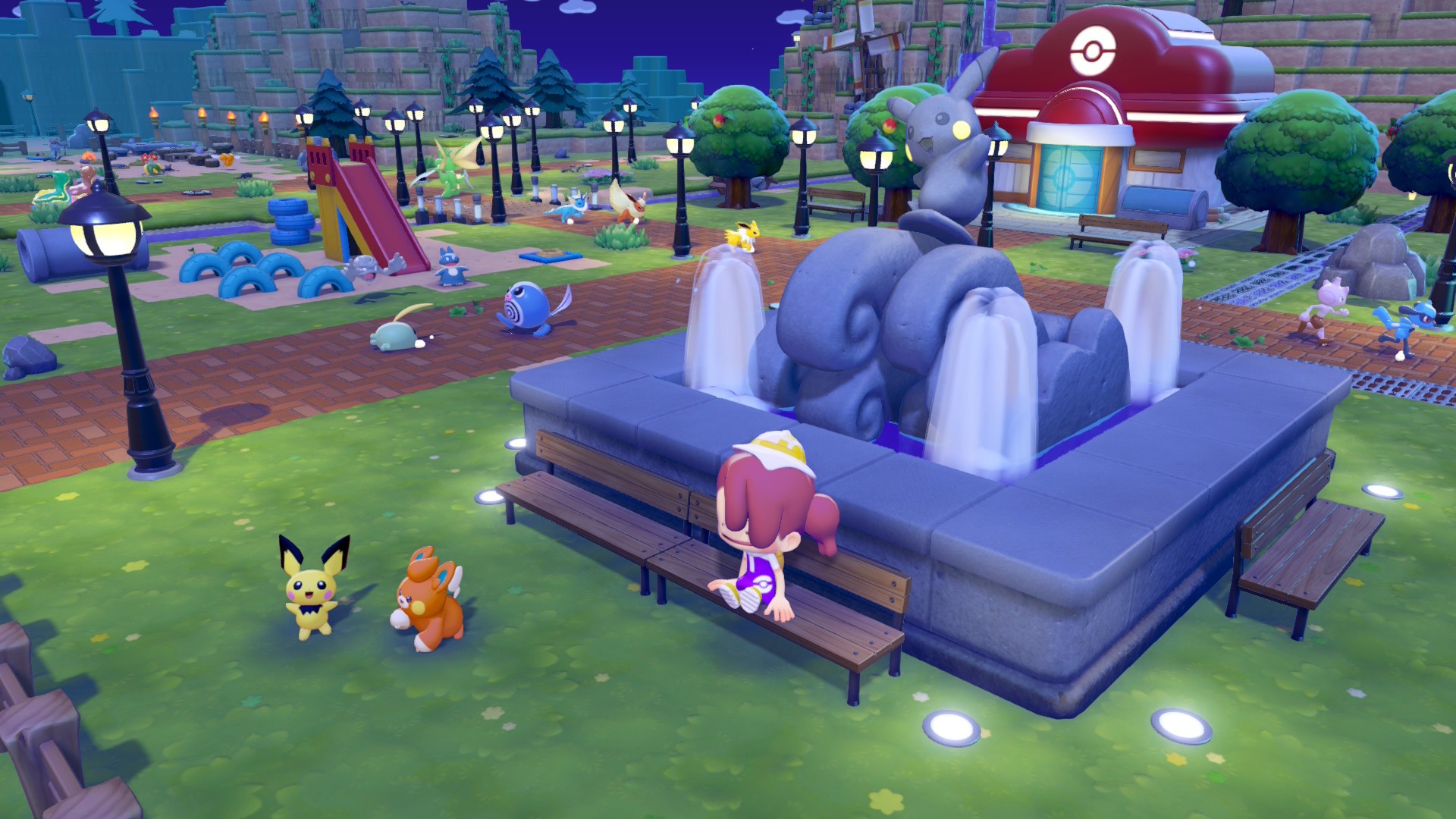
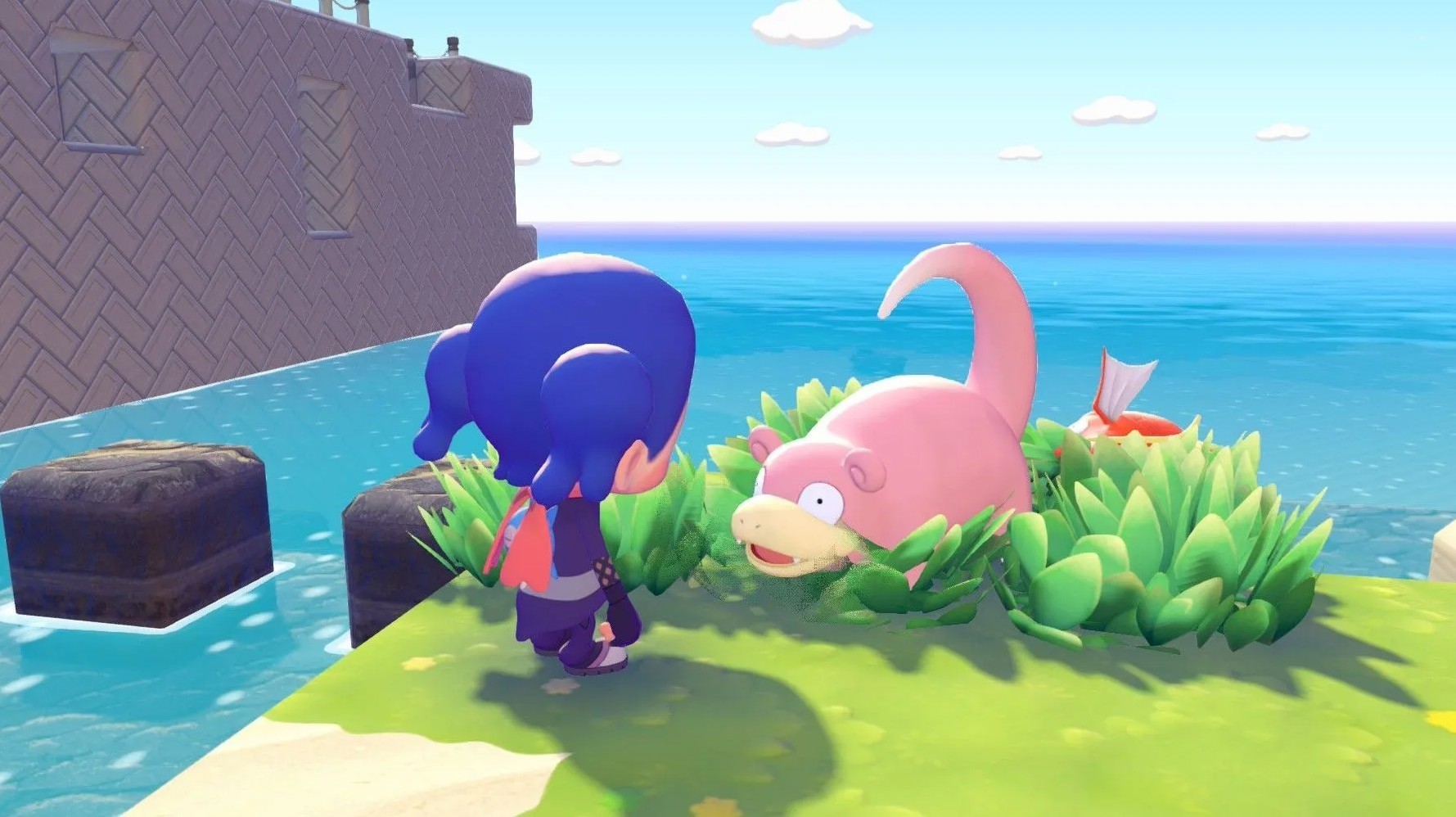
Visually, Pokopia features a colorful and warm art style that fits its concept perfectly. The Pokémon are obviously the stars of the show; they’re well-modeled, and their integration into this building world works exceptionally well. Seeing them move through environments you’ve helped create yourself reinforces the feeling that you’re building a real, living little world.
The soundtrack also complements this sense of calm, featuring music that will be instantly recognizable to fans of the Pokémon franchise. The overall atmosphere is light and pleasant, perfectly suited for long sessions where you simply move from one activity to the next without any real pressure.
This atmosphere is ultimately one of the game’s main selling points. Whereas the main games generally seek to generate excitement through battle or the discovery of a new creature, Pokopia focuses more on the pleasure of leisurely progression.
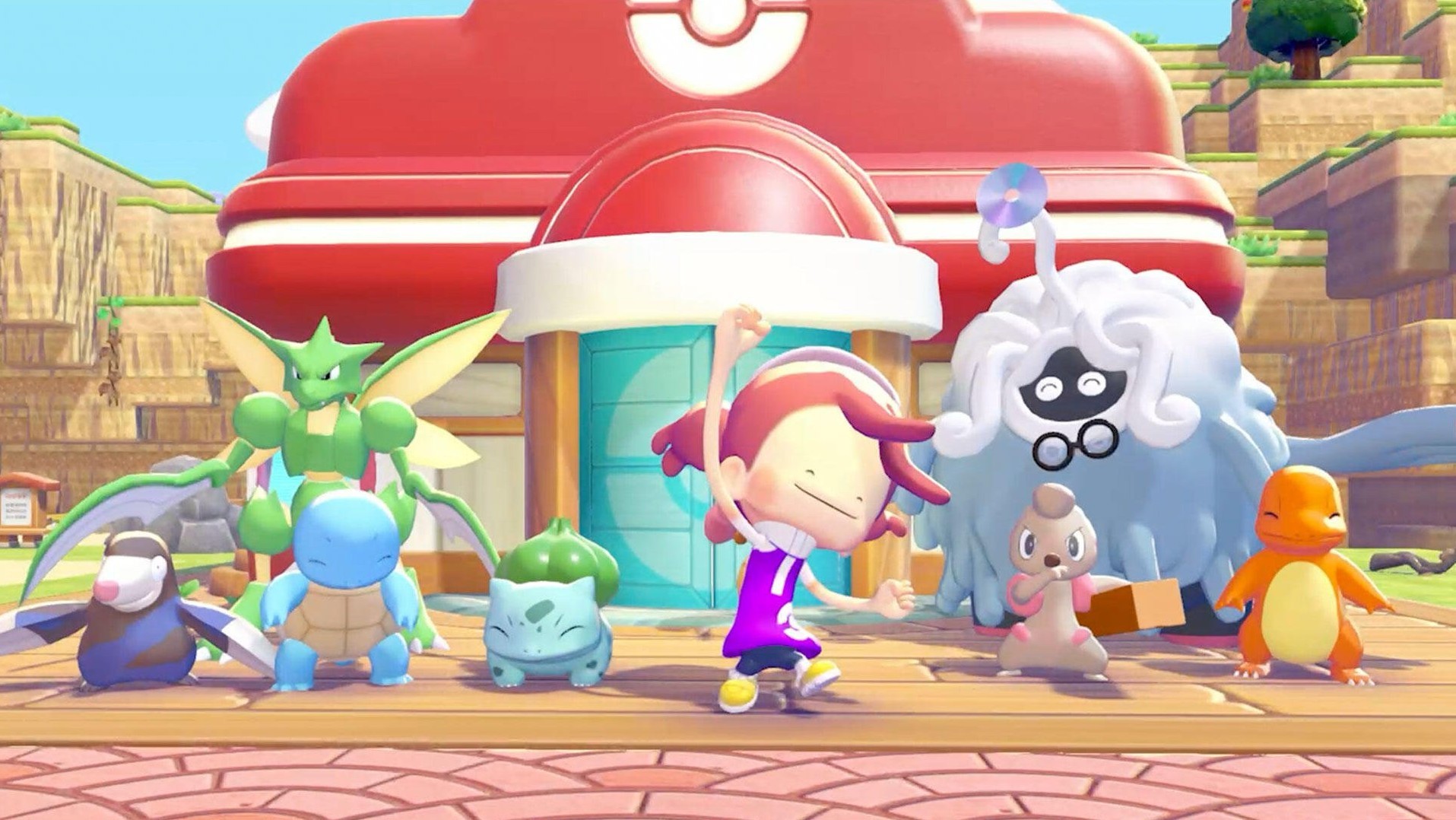
Exploration rewards curiosity
Pokémon Pokopia doesn’t just turn the player into an architect, however. Exploration plays a major role in the adventure and allows you to gradually discover new resources, new Pokémon, and new design possibilities.
The world thus functions like a massive toolbox. An area that initially seemed uninteresting can become particularly useful once certain abilities are unlocked. You then return to places you’ve already visited with a fresh perspective, searching for resources or new possibilities.
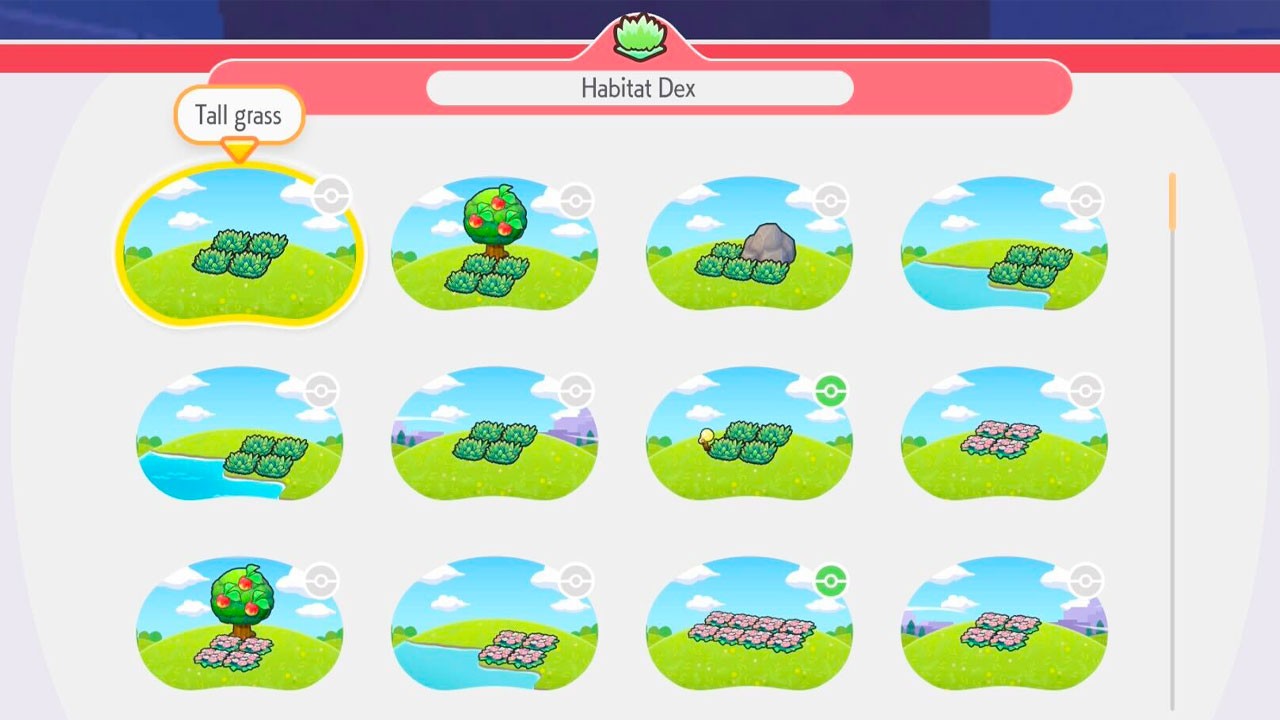
The system works all the better because the presence of Pokémon regularly provides a good reason to continue exploring. Completing your Habitatdex and discovering the various species becomes a goal in itself, but their usefulness goes beyond mere collection. Each encounter can potentially yield a new ability or a new way to interact with the environment.
The day/night cycle and weather variations also contribute to the overall atmosphere, although the lighting effects, and even the rain, aren’t particularly appealing. While they don’t revolutionize the genre, these elements breathe more life into the world and reinforce the sense of moving through a real, small ecosystem.

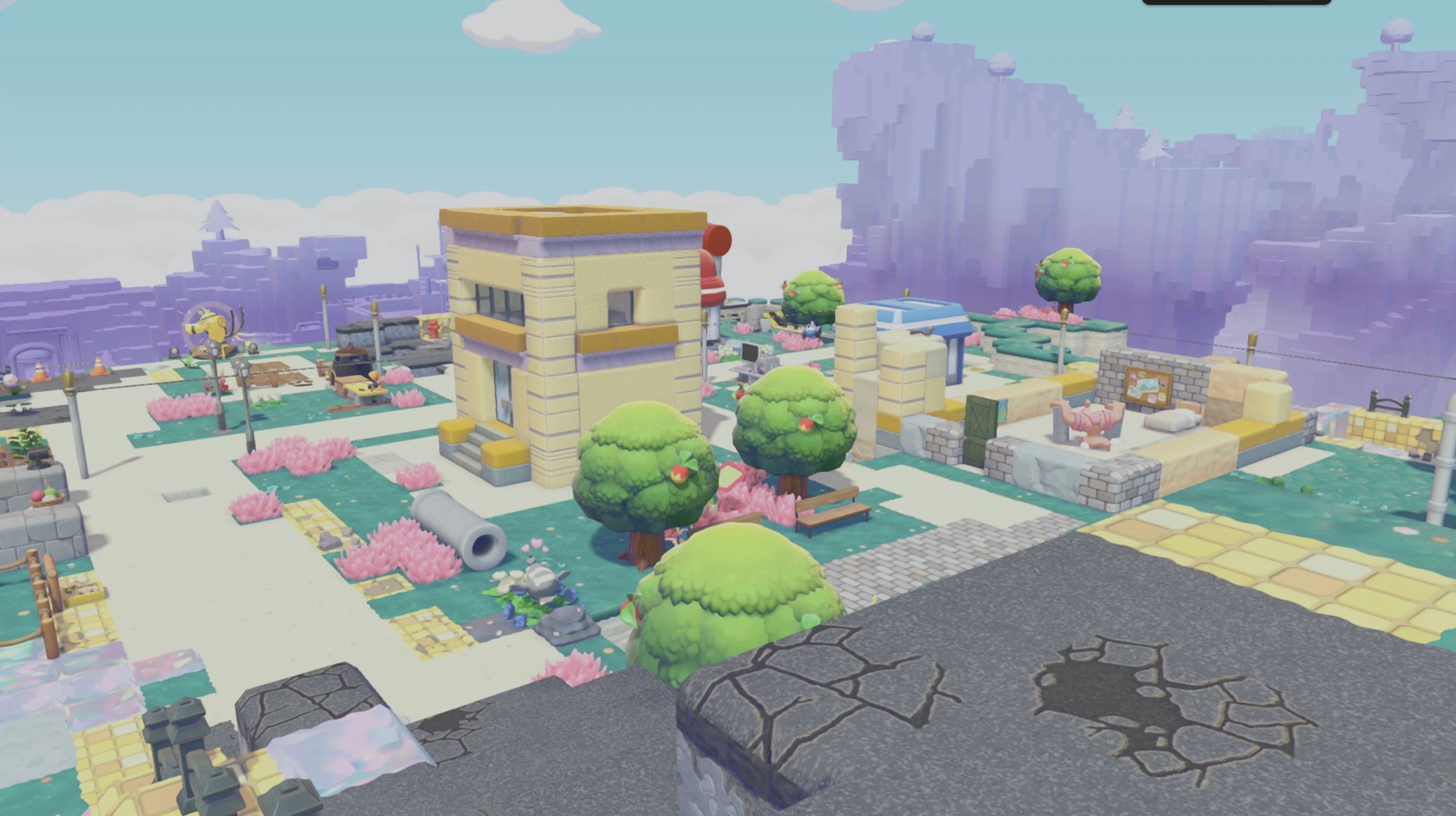
Effective graphics, but technically imperfect and rigid
This new direction does, however, come with some trade-offs. Like many games based on gathering and building, Pokopia can sometimes feel like it revolves around the same actions over and over again. Gathering resources, crafting, upgrading, and then starting over again forms an effective loop, but one that can become repetitive, especially if you’re trying to optimize everything.
Inventory management lacks fluidity in certain situations. When resources start piling up and storage spaces fill up, a few extra steps can disrupt the flow of the adventure. Speaking of pace, it’s a double-edged sword: those who are big fans of a very laid-back experience will love it, while others will quickly get bored after a few hours, not because of the formula itself, but because of the game’s sluggish pace and rigidity in most aspects.
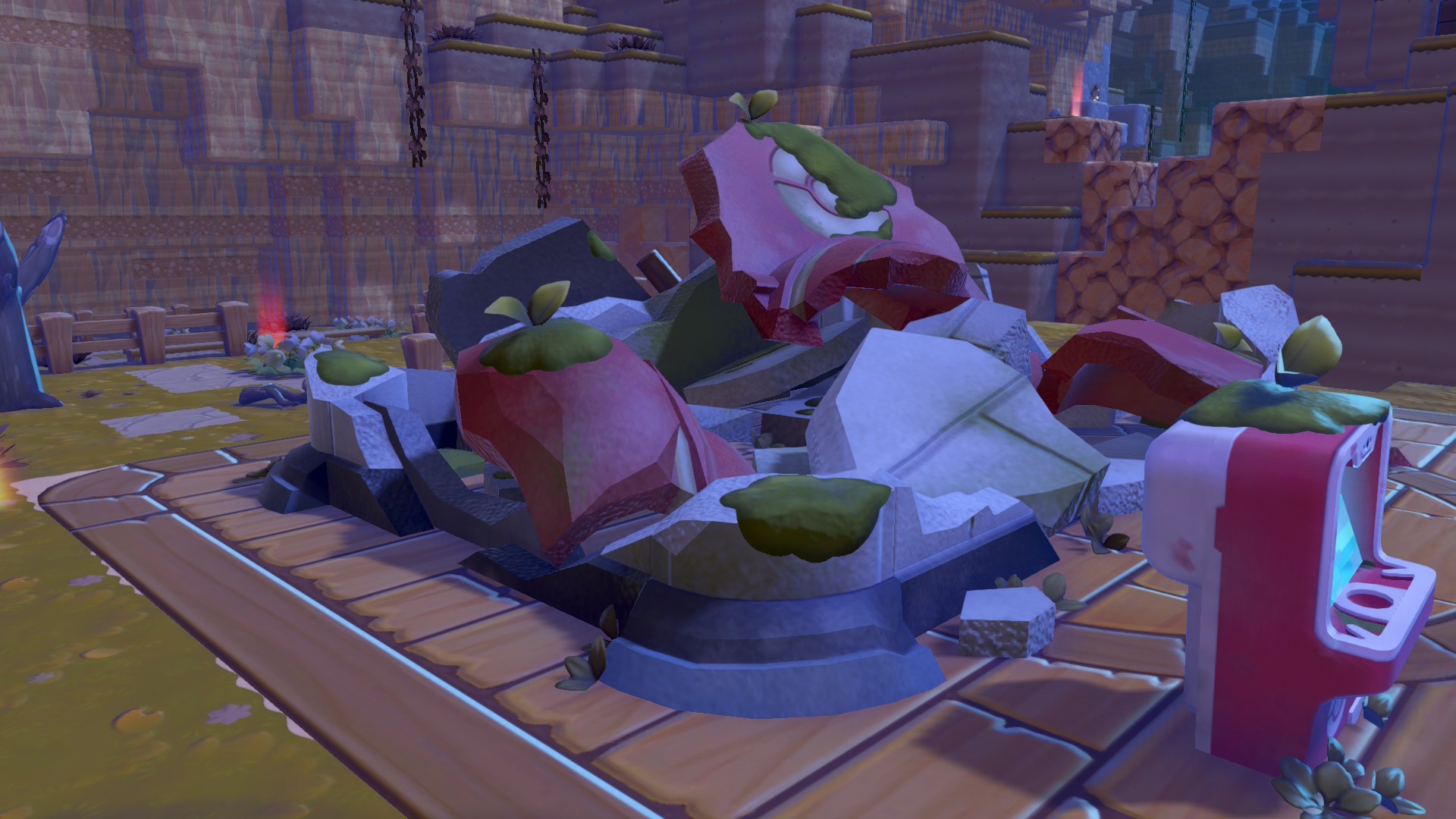
Unlike many games released this year, and even other cozy games, Pokopia imposes a certain rigidity on its gameplay, enough to make the overall experience feel sluggish, where every action literally takes time to complete. Those who already disliked this aspect in Animal Crossing: New Horizons will find plenty to complain about here. Unfortunately, we don’t recall ever experiencing this level of sluggishness, even in other cozy games, with every action, between each one, and having to repeatedly hammer the next button just to move on. There are other details that are sometimes a bit off, such as water mills spinning against the current, or quests that sometimes have trouble being completed, especially when they’ve already been completed before we’re even assigned them. In such cases, you have to destroy part of what you’ve built (blocks, structures, etc.) and rebuild it to complete the quest.
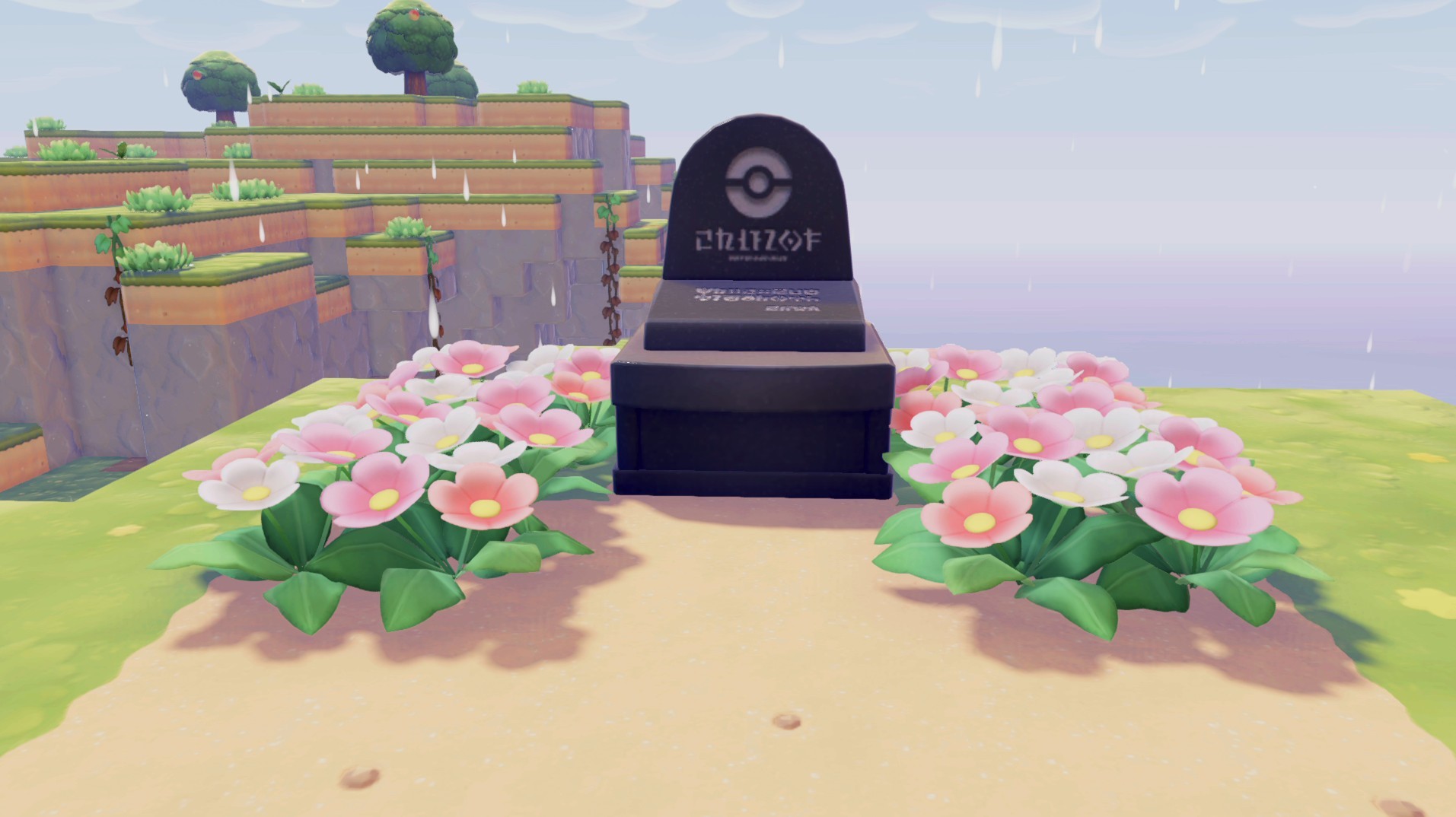
Beyond this somewhat clunky technical aspect, the graphics are also important. While the art style seems cute, it leaves a bit to be desired: the textures aren’t necessarily up to par, and the lighting and weather effects aren’t very impressive either. Honestly, if the game had come out 10 years ago, we wouldn’t have really noticed the difference, and that’s a shame for a Nintendo Switch 2 exclusive.
Reviewed on Nintendo Switch 2. See our rating policy here.
6.5/10
Anyone looking for a new traditional Pokémon game won’t find it here. On the other hand, if you are someone who enjoys building, decorating, and management games, you will easily get hooked on this title. In fact, that’s probably where the game’s true strength lies: it doesn’t try to please everyone with a hybrid formula, but fully embraces its new direction. It doesn’t claim to replace the traditional games, rather opening a new door to the Pokémon universe.
Pokémon Pokopia is a surprising detour in the franchise’s history. By setting aside battles to focus on building, exploration, and customization, it offers an experience that might have seemed hard to imagine just a few years ago. However, the combination of Pokémon abilities and building mechanics works well. Clunky gameplay and occasionally shaky technical performance disrupted our adventure, to the point of dimming an already repetitive loop, though they didn’t entirely overshadow the game’s strengths.
- + An interesting blend of worlds
- + Beautiful Pokémon models
- + Solid gameplay and great amount of content
- + Highly enjoyable Pokémon music
- - It lacks some dynamism, though
- - Pacing can be tedious at times
- - Technically speaking, it is what it is