Split Fiction Review: duality at its best
, by Enzo
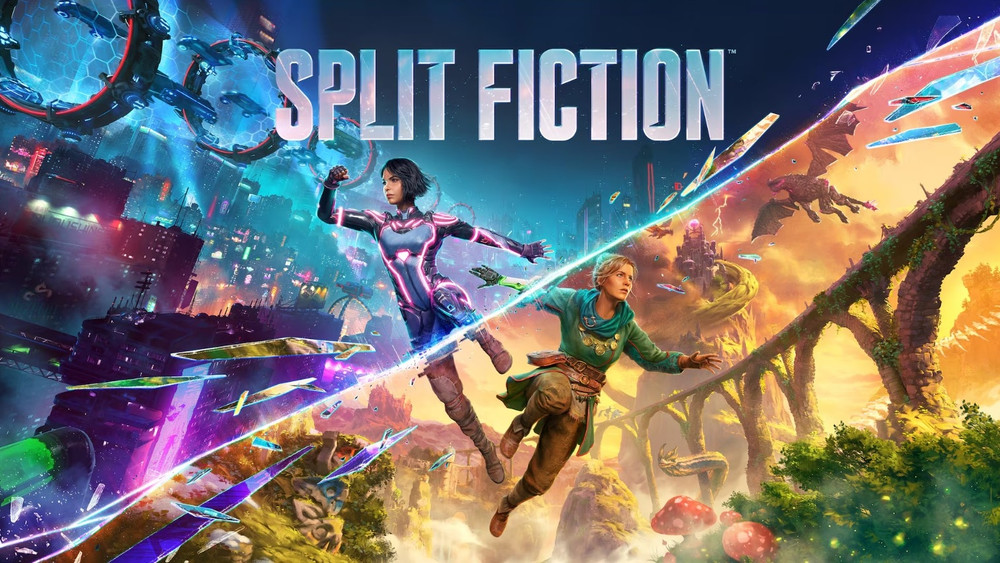
What if your co-op partner wasn’t just there to help you, but literally embodied the other half of the adventure? With Split Fiction, Hazelight Studios continues to pursue its obsession: making co-op not just an option, but the beating heart of the experience. Under the direction of Josef Fares, the Swedish studio has built a solid reputation thanks to It Takes Two, named Game of the Year in 2021. With this new title, the ambition is clear: to push the boundaries of cooperative storytelling even further by playing on the duality of perspectives. Does it live up to the promise?
An adventure designed for two (and only two)
It’s worth taking a moment to consider the game’s core concept. Like its predecessors, Split Fiction is an exclusively cooperative experience. You can’t play it alone: each player takes on the role of a character with distinct abilities, navigating a reality that’s partially different from their partner’s. Additionally, the inclusion of a friend pass and cross-play is a very welcome feature.
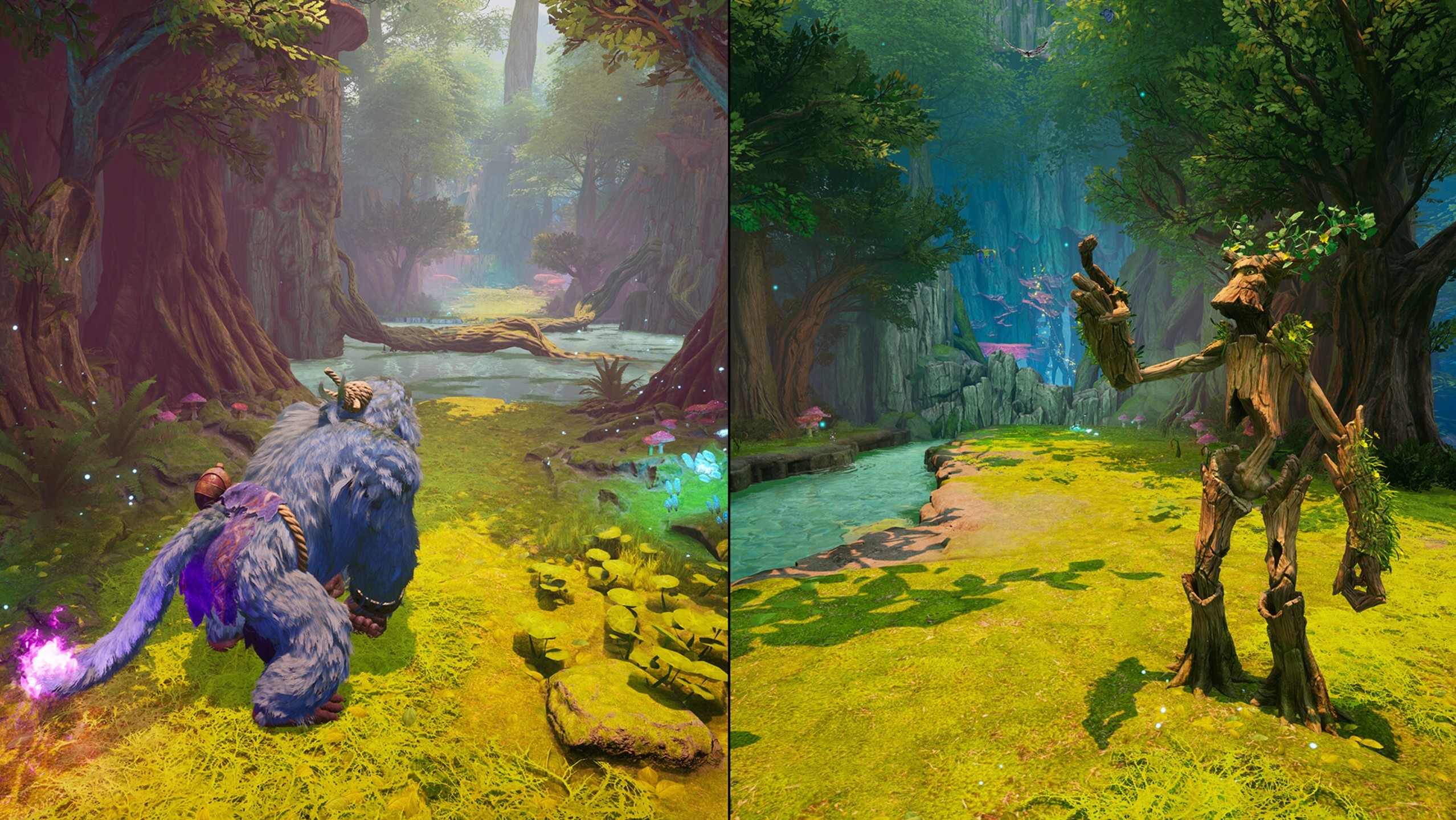
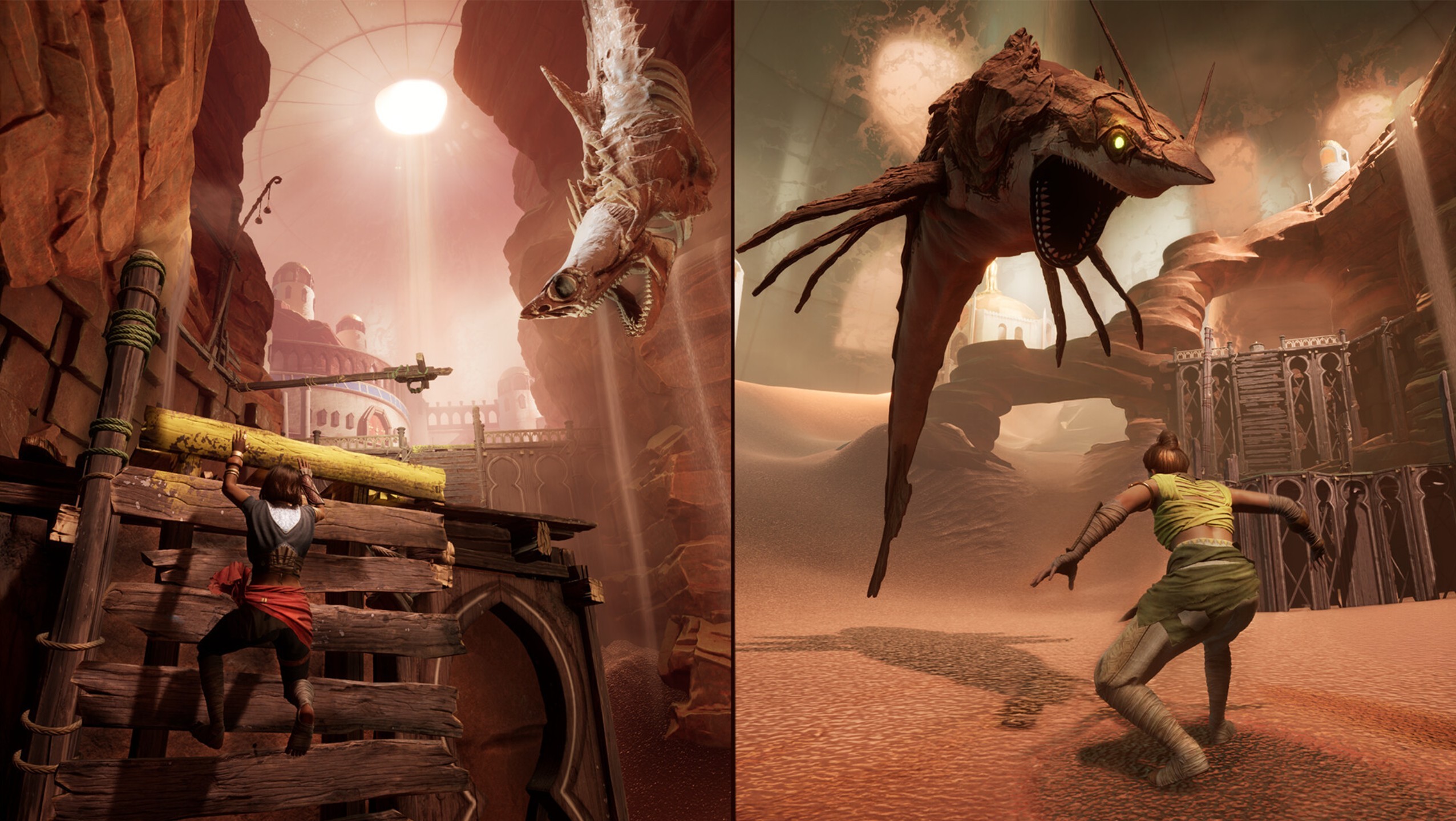
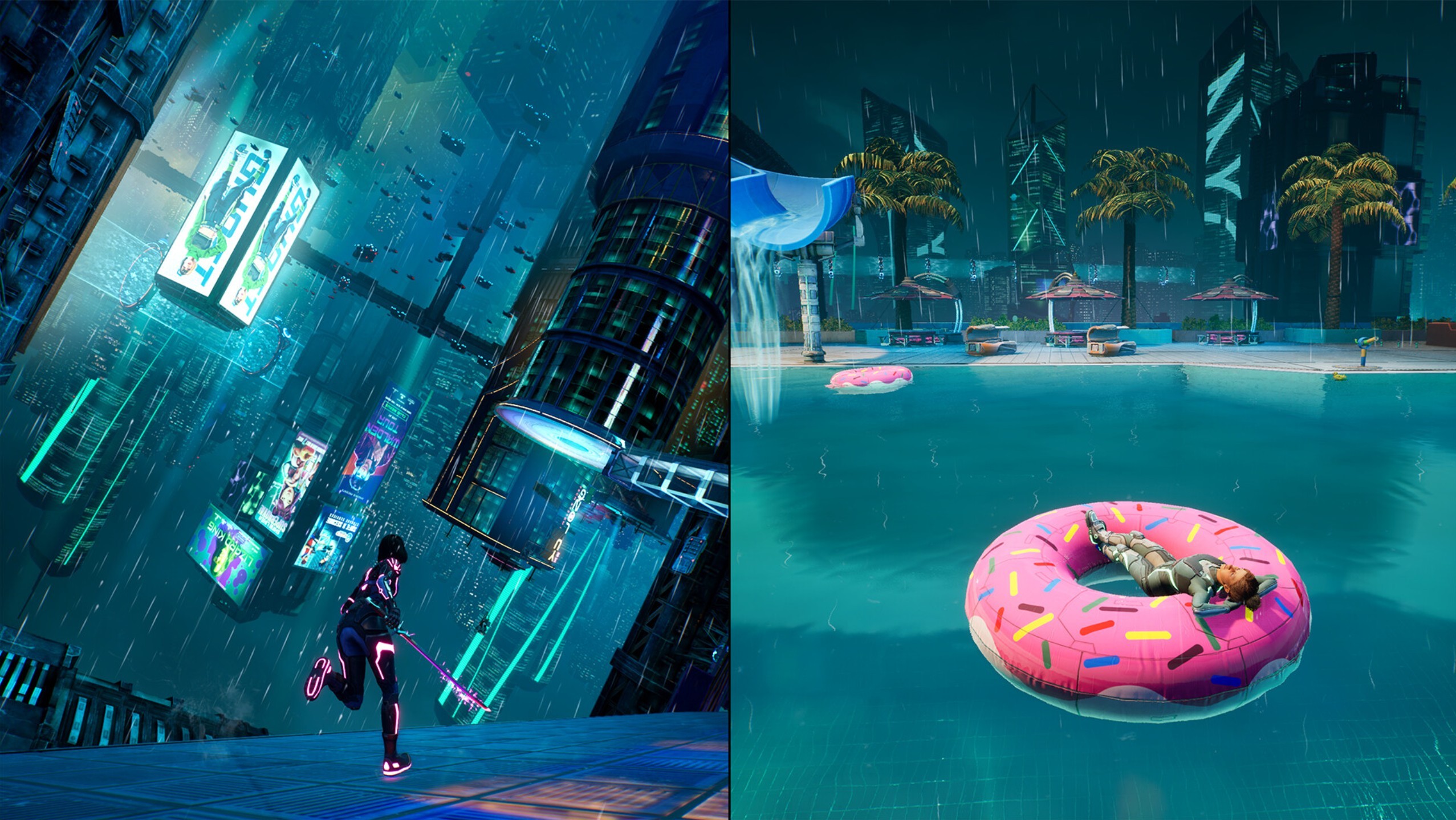
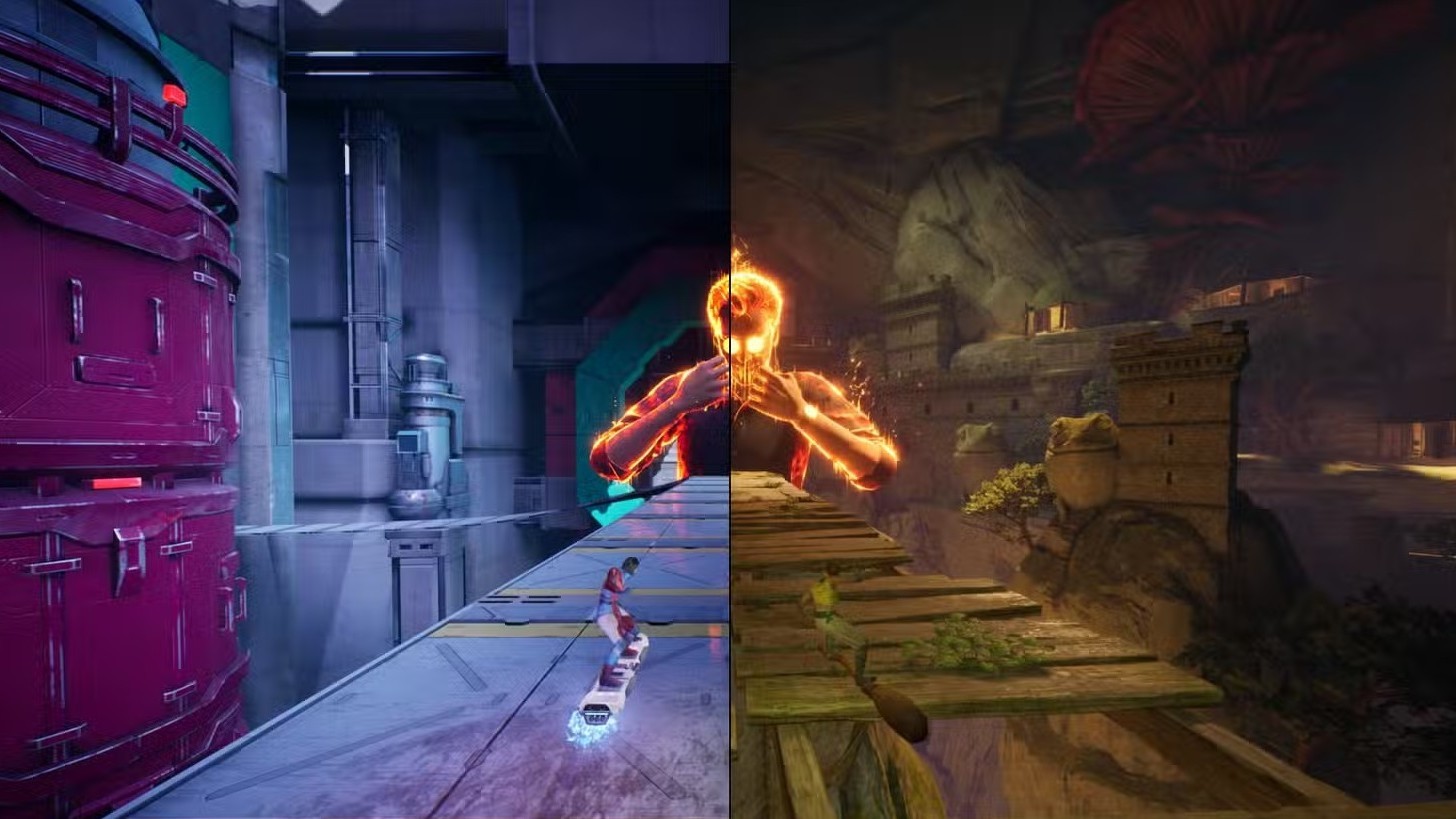
The central concept revolves around « splitting »: the two protagonists never perceive their surroundings in the same way. Where one sees a path, the other perceives an obstacle. Where one manipulates matter, the other alters time or gravity. This constant asymmetry forms the entirety of the gameplay. Although linear, the level design truly shines in sequences where the two realities briefly overlap, creating captivating moments.
Inspired art direction
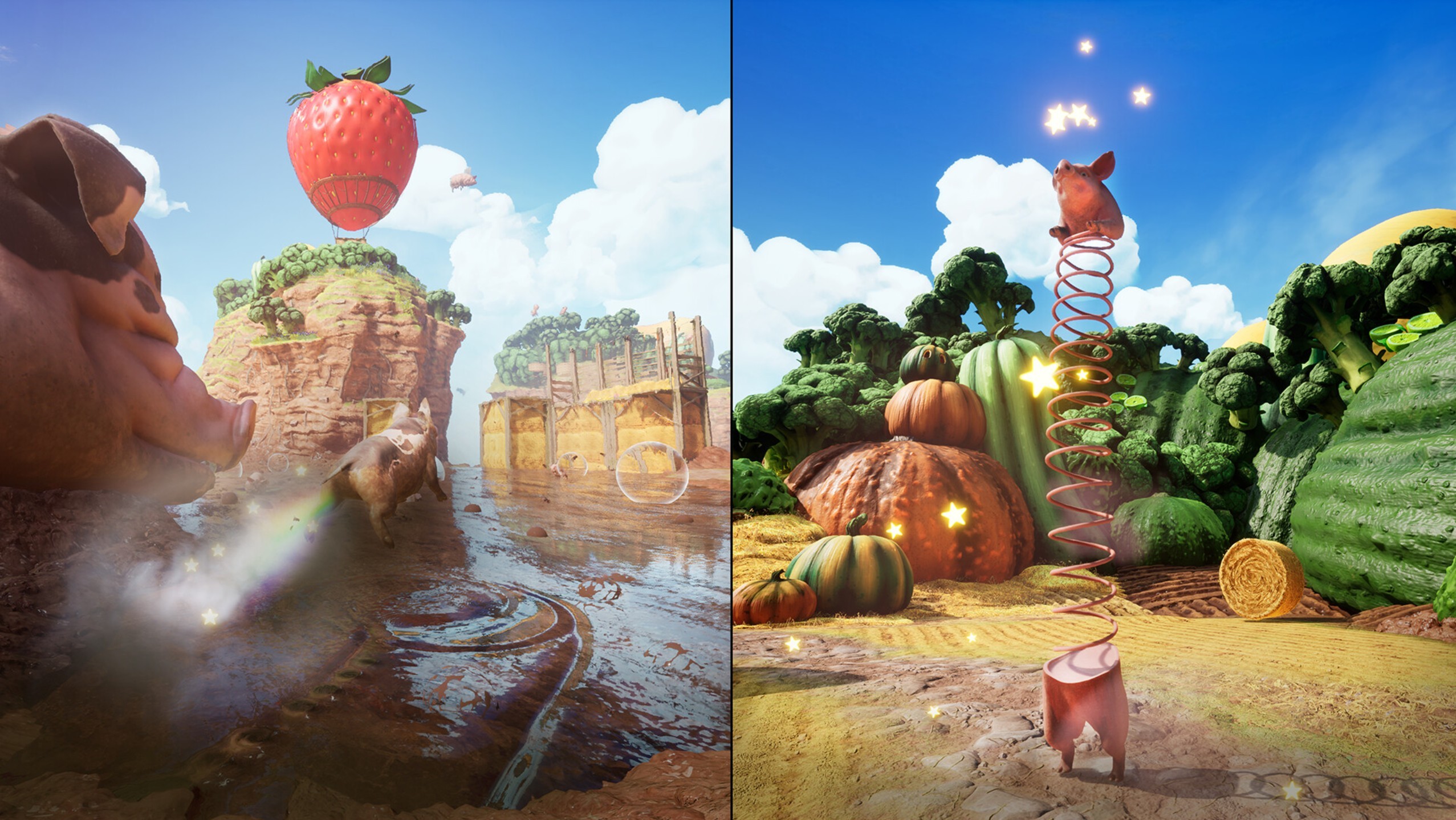
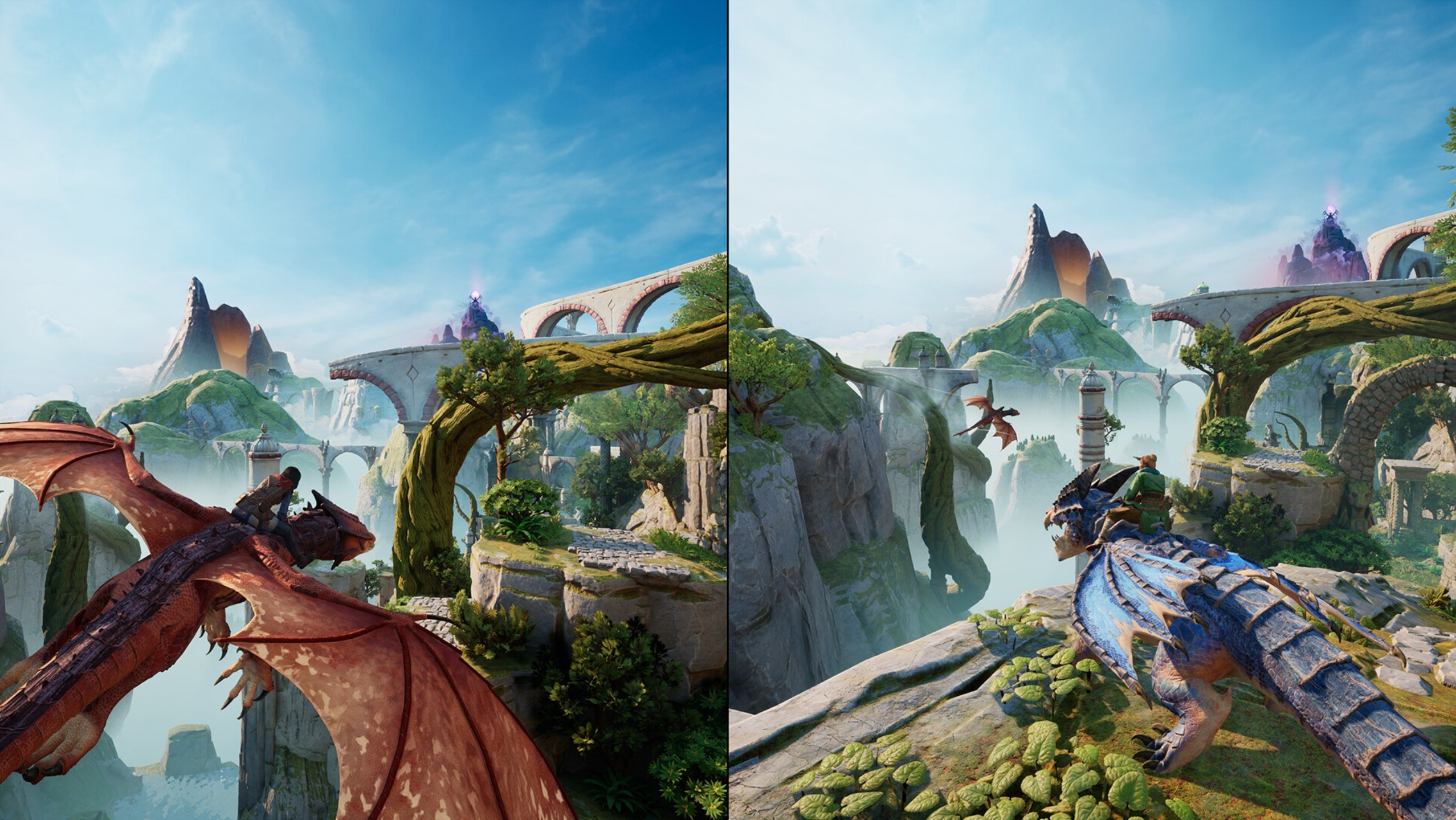
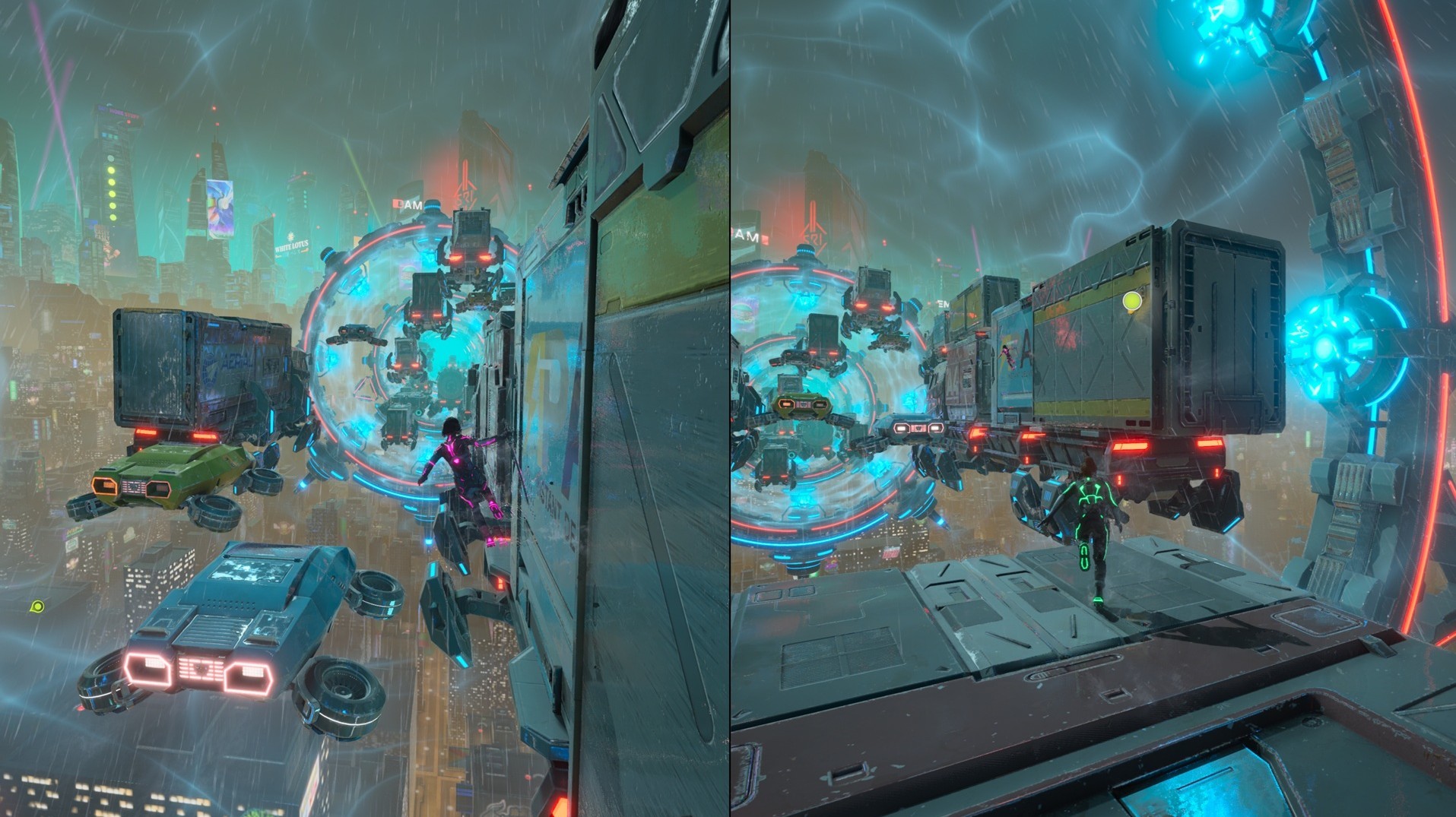
Visually, Split Fiction features a stylized yet richly contrasting aesthetic. Each of the two realities has its own graphic identity, with distinct color palettes and contrasting atmospheres: one is more vibrant and dynamic, while the other is more grounded and down-to-earth. You’ll definitely find yourself taking a moment in each chapter to take in what’s before your eyes.
The soundtrack effectively complements the experience, though it isn’t unforgettable. It supports immersion just right. Technically, the Swedish studio delivers another flawless performance: the game is very solid with perfect fluidity, and there are no bugs or weaknesses to report.
Mirrored narrative
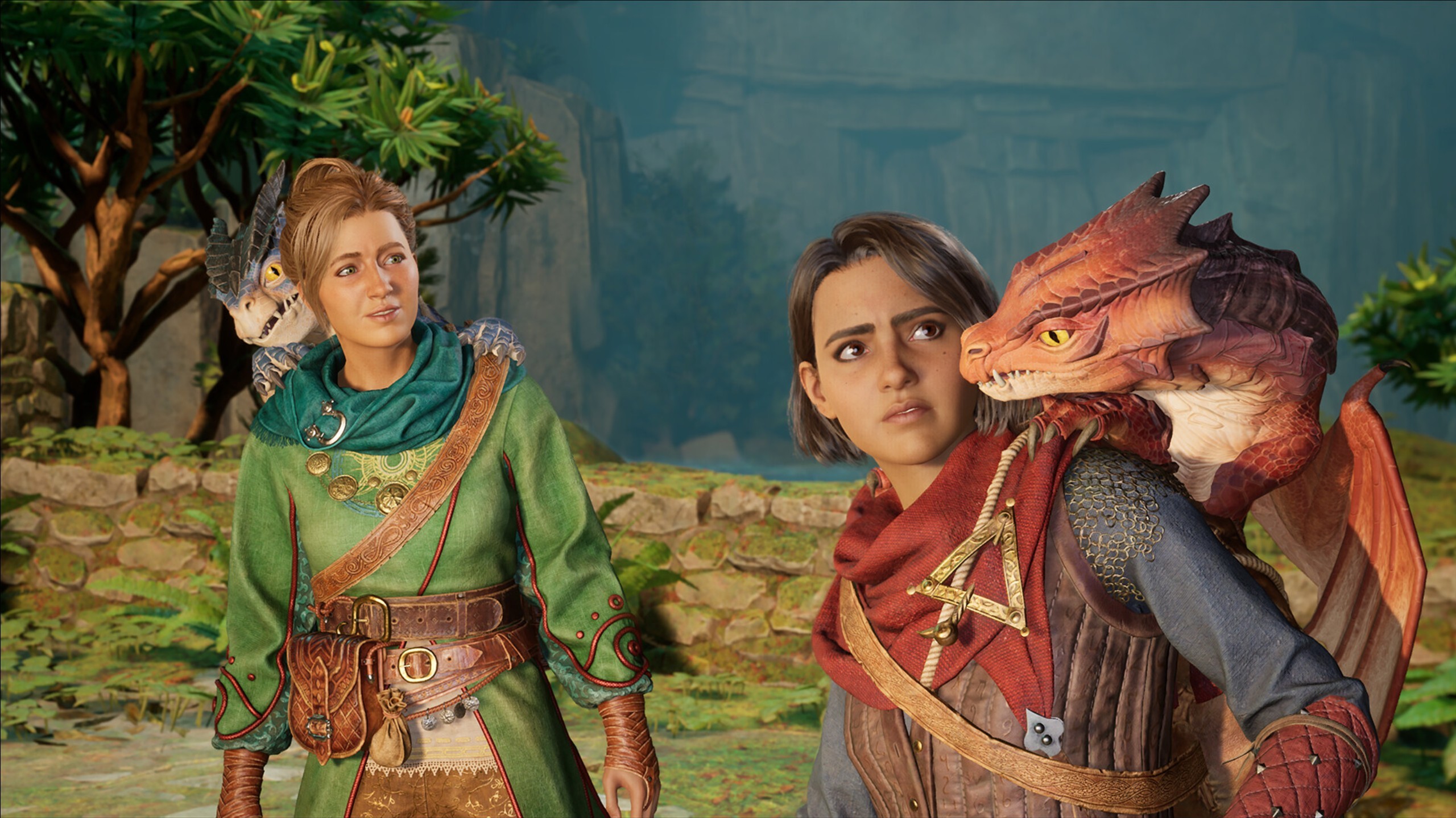
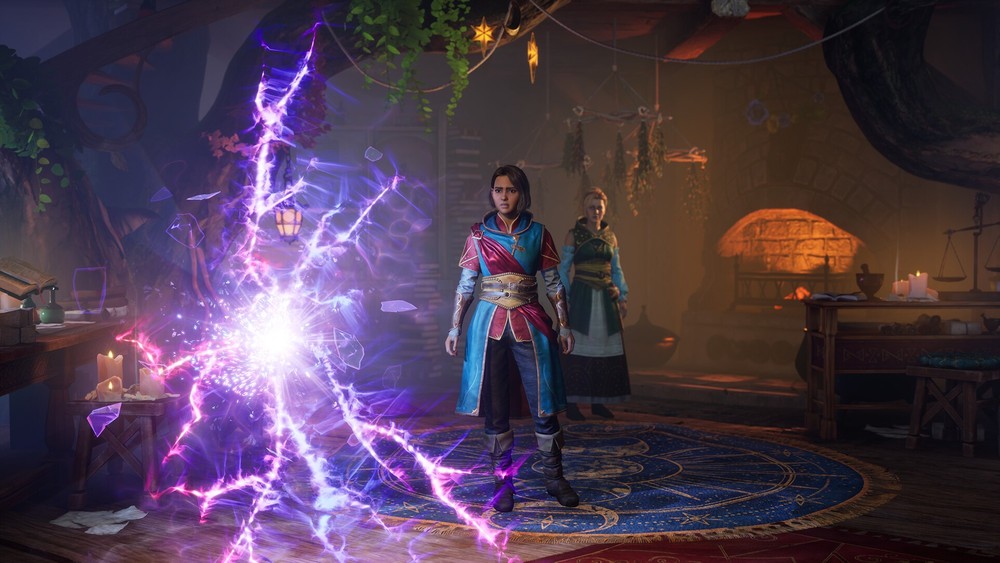
Beyond its concept, Split Fiction also tells a story centered on perception and identity. The two protagonists don’t just share a fragmented world—they also share different interpretations of events and perspectives unique to each of them. The numerous cutscenes are very well produced and allow players to truly connect with Zoé and Mio.
The dialogue oscillates between light humor and deeper introspection. While the tone is less humorous than that of the previous game, It Takes Two, it remains nonetheless engaging to follow. The highly cinematic direction carefully crafts the transitions between realities. There’s a clear desire to experiment with the language of video games.
Creativity and gameplay that defy routine
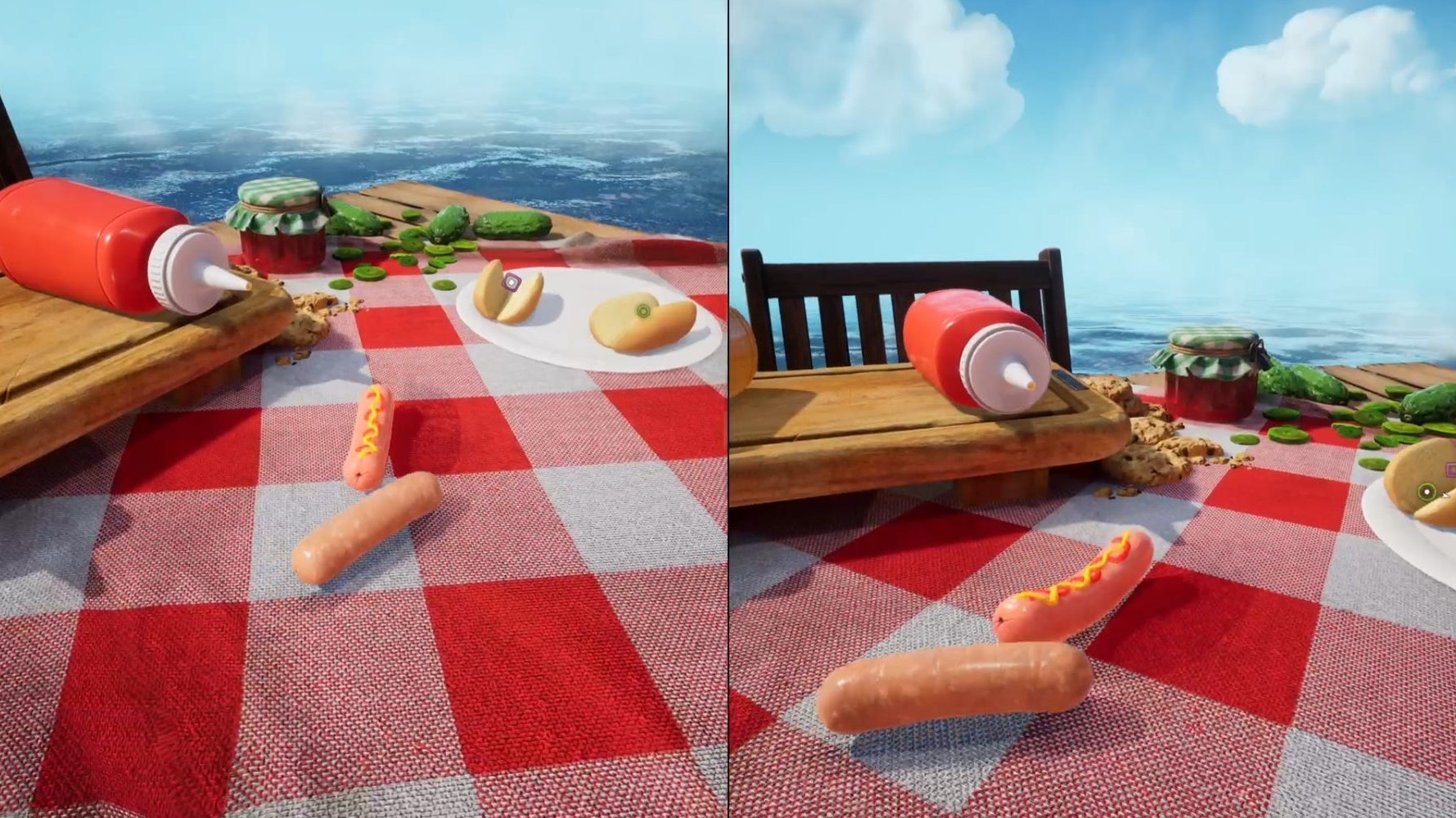
One of the great strengths of Split Fiction lies in its ability to constantly reinvent itself. Each chapter introduces a new mechanic, which is fully explored for one to two hours before giving way to another idea in a future chapter. A perfect balance is struck between the protagonists’ worlds and gameplay; neither is more prominent or more important than the other. From manipulating matter to metamorphosis, not to mention magic, the game covers it all.
Action sequences alternate with slightly more challenging puzzles, sometimes demanding platforming sections, and almost contemplative moments, but the difficulty remains generally accessible overall. Failures aren’t too punishing, and checkpoints are plentiful. The game clearly targets a broad audience, including casual players. However, certain sequences require precise coordination, which may test less experienced duos.
In terms of creativity, Hazelight Studios has once again set the bar very high. Following the excellent It Takes Two—which made a strong impression with its originality and fresh ideas—Split Fiction manages to match it, though not necessarily surpass it. You’ll have to wait until the final quarter of the game for real creative innovations to take place—innovations that drastically and skillfully shake up the conventions of split-screen gameplay.
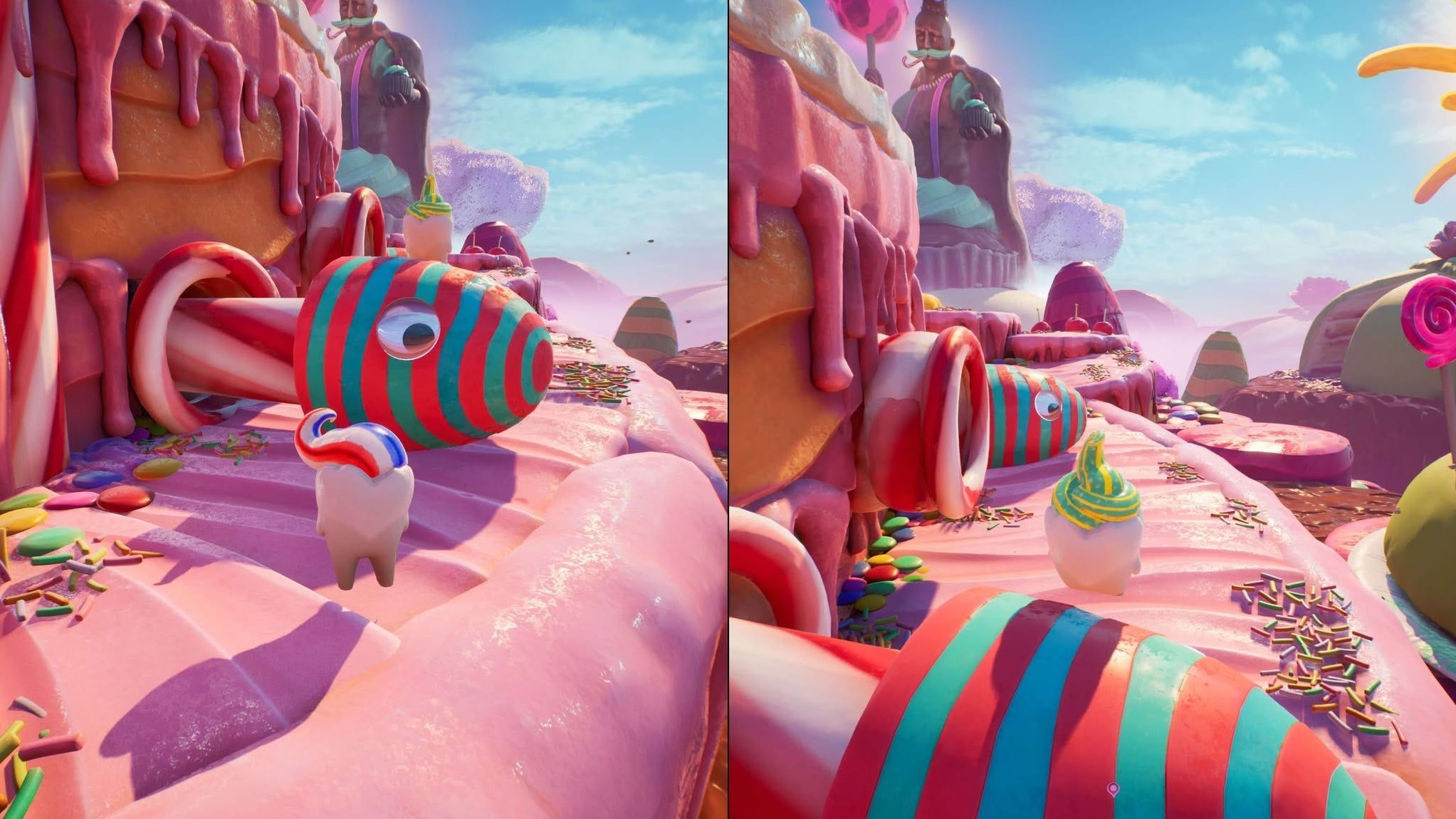
Split Fiction: a worthy successor to Hazelight Studios’ games?
It must be said that Hazelight Studios has had an impressive track record in terms of its games. With their reputation, ambitions, and productions constantly evolving, it’s only natural to want to compare their games. While there was a huge gap in many respects between A Way Out and It Takes Two, that gap is significantly smaller between the latter and Split Fiction.
Although just as enjoyable to play and more technically advanced than its predecessor, Split Fiction plunges players into two genres already widely explored in video games: science fiction and medieval fantasy. The previous title transports us to the heart of a country house and the struggles of a married couple, offering a more compelling setting and emotional depth than the current title.
In other words, the game is at least as good as It Takes Two, but it lacks the technical, narrative, and even emotional edge that would undoubtedly have elevated it to excellence.
Tested on PS5. See our rating policy here.
8.5/10
Split Fiction may not revolutionize cooperative gaming, but it still stands out from the crowd. Its well-executed concept of fragmented realities fuels the gameplay, storytelling, and art direction with remarkable consistency. More than just a cooperative game, it’s an experience to be shared.
While expectations for the game were very high, it delivers on every promise across the board, although the wild creativity doesn’t really kick in until the final quarter of the game. Its very few weaknesses carry little weight compared to the richness of the experience as a whole, easily establishing it as a must-play in the world of cooperative video games.
- + Striking artistic direction
- + Highly varied gameplay
- + Decent replay value
- + Friendly multiplayer with cross-play support
- - A fairly run-of-the-mill story
- - Creativity that’s sometimes timid and slow to emerge