NVIDIA: When every GPU launch turns into a nightmare
, by Quentin
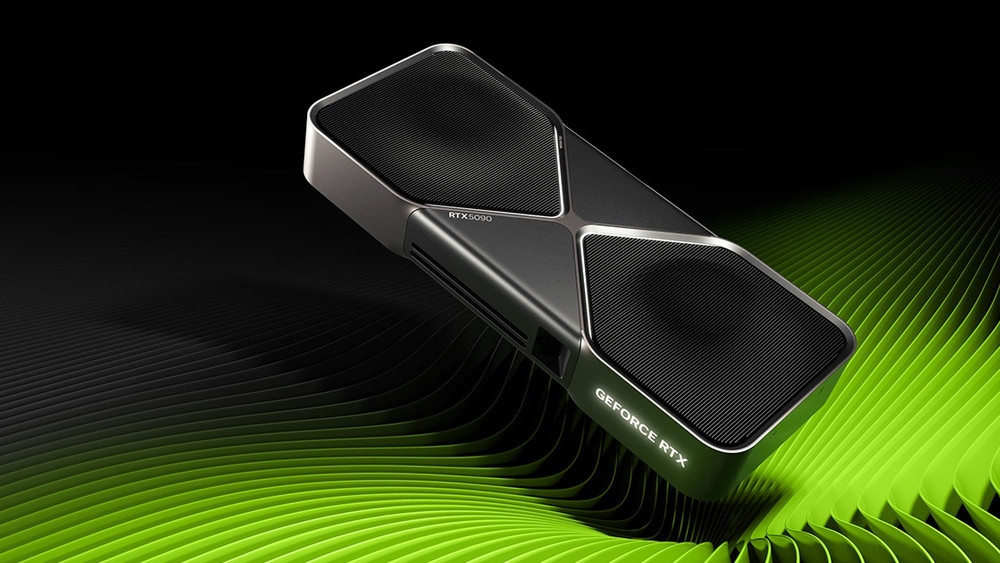
One thing's for sure: you can always bet on NVIDIA being consistent... Specially in terms of the repeated shortages.
One might have thought that the company had learned its lesson from the already disastrous launch of the RTX 40, but this is not the case. NVIDIA doesn't even bother pretending to believe in it anymore, and had already announced that the launch of the GeForce RTX 50 was likely to be difficult, with limited stock, at least for the first models to come out in the market, i.e. the RTX 5080 and 5090.
Now that the facts are in, what's the cause? Why is the company finding it so difficult to get out of this downward spiral? Let's explore a few avenues.
The industry often points to a problematic trio: short-lived stocks, omnipresent scalpers and outdated distributors struggling to keep pace these days.
In the United States, the number of copies available was more than alarming. Micro Center had just 2393 RTX 5080s and 233 RTX 5090s for the whole country! Some American states were even completely out of stock. Of course, this was also the case with the largest Internet retailers. Stock disappeared in a matter of seconds at most.
In fact, British retailer Overclockers UK even mentions a possible restocking time of between 3 and 16 weeks for the RTX 5090, while the RTX 5080 fares little better, just between 2 and 6 weeks.
Unfortunately, this is also the case with other countries, such as Japan. So much so that retailers there have set up a lottery system to limit the influx of customers, but this has turned into a fiasco, with some buyers causing material incidents and going so far as to damaging the store premises.
The less patient then turn to the easy way out: buying a card from a speculator who doesn't hesitate to inflate the original price considerably. For example, you can get an RTX 5090s on eBay for $6,000, or even $9,000, 350% more than the recommended retail price.
With that being said, the launch of the RTX 5070 and 5070 Ti, scheduled for the end of February, could bring gamers an alternative and diversify the offer. In fact, rumors point to the release of the RTX 5060 and 5060 Ti in March, but this has yet to be confirmed.
This situation could obviously benefit others, notably NVIDIA's main competitor, AMD. The company is working on the release of the RX 9070 and 9070 XT, and is closely following NVIDIA's announcements to adapt and make itself more attractive.