The Legend of Zelda Ocarina of Time Remake Review: is the legend back in 2026?
, by Chris
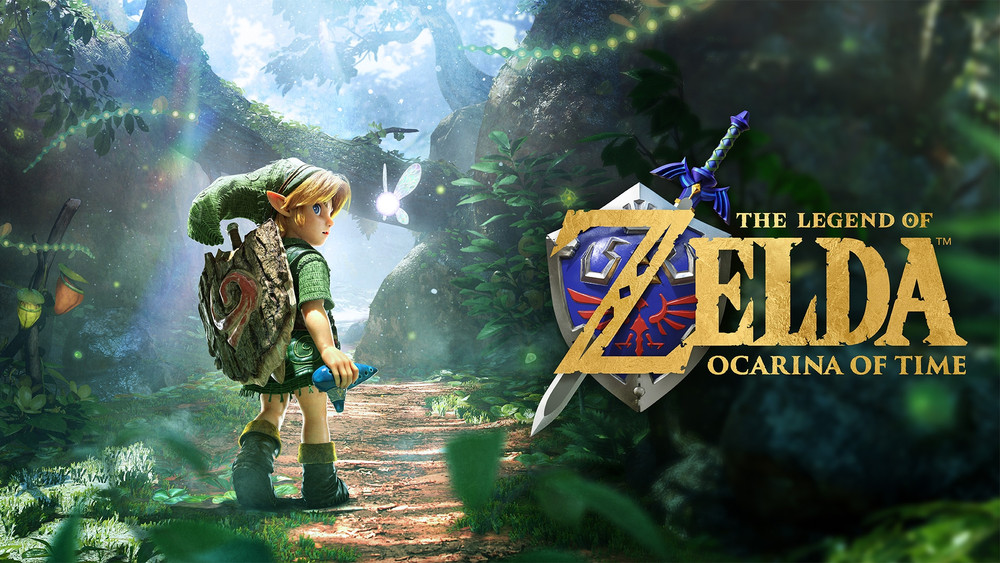
28 years ago, Nintendo released The Legend Of Zelda: Ocarina Of Time for Nintendo 64, leaving a lasting mark on the video game industry. The game received overwhelmingly positive reviews and still holds the highest score in history on Metacritic, the website that aggregates reviews of video games, films and TV series from around the world. Even in 2026, Ocarina Of Time remains the highest-rated video game of all time. For many players, it is quite simply THE greatest game ever made.
Naturally, when Nintendo announced this summer that a remake of Ocarina Of Time was coming to Switch 2, it became a major event. Even more so considering that the new version has just been released in November 2026, while the entire gaming world has its eyes firmly fixed on November 19 and the launch of GTA 6.
The announcement thrilled countless players who couldn't wait to return to the Hyrule Field and reunite with the five sages. For others, it was an opportunity to experience this legendary game for the very first time. However, taking on a cultural and gaming landmark such as Ocarina Of Time was also a considerable risk. Has Nintendo managed to rise to the challenge? Let's find out.
A beautiful remake
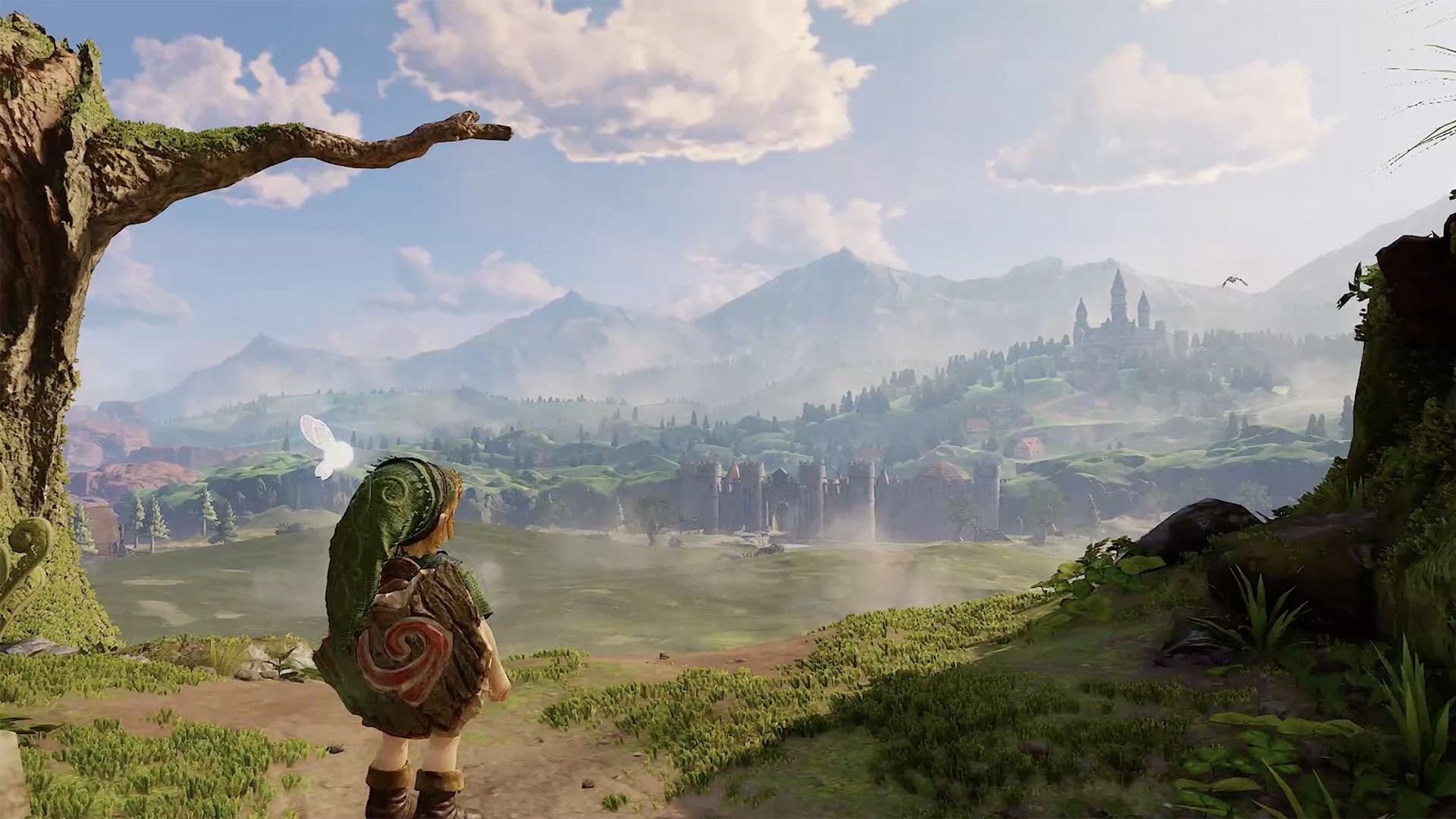
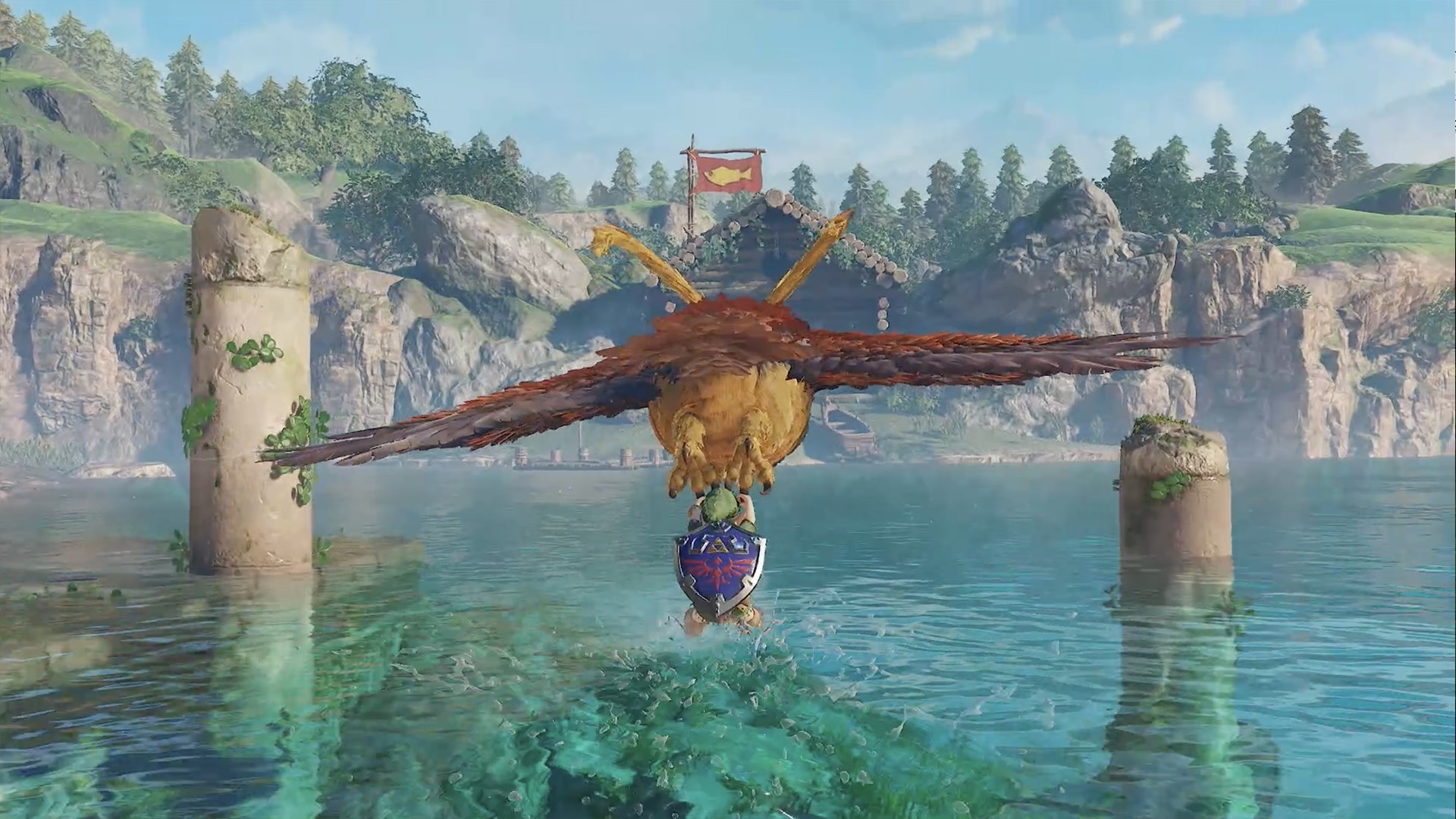
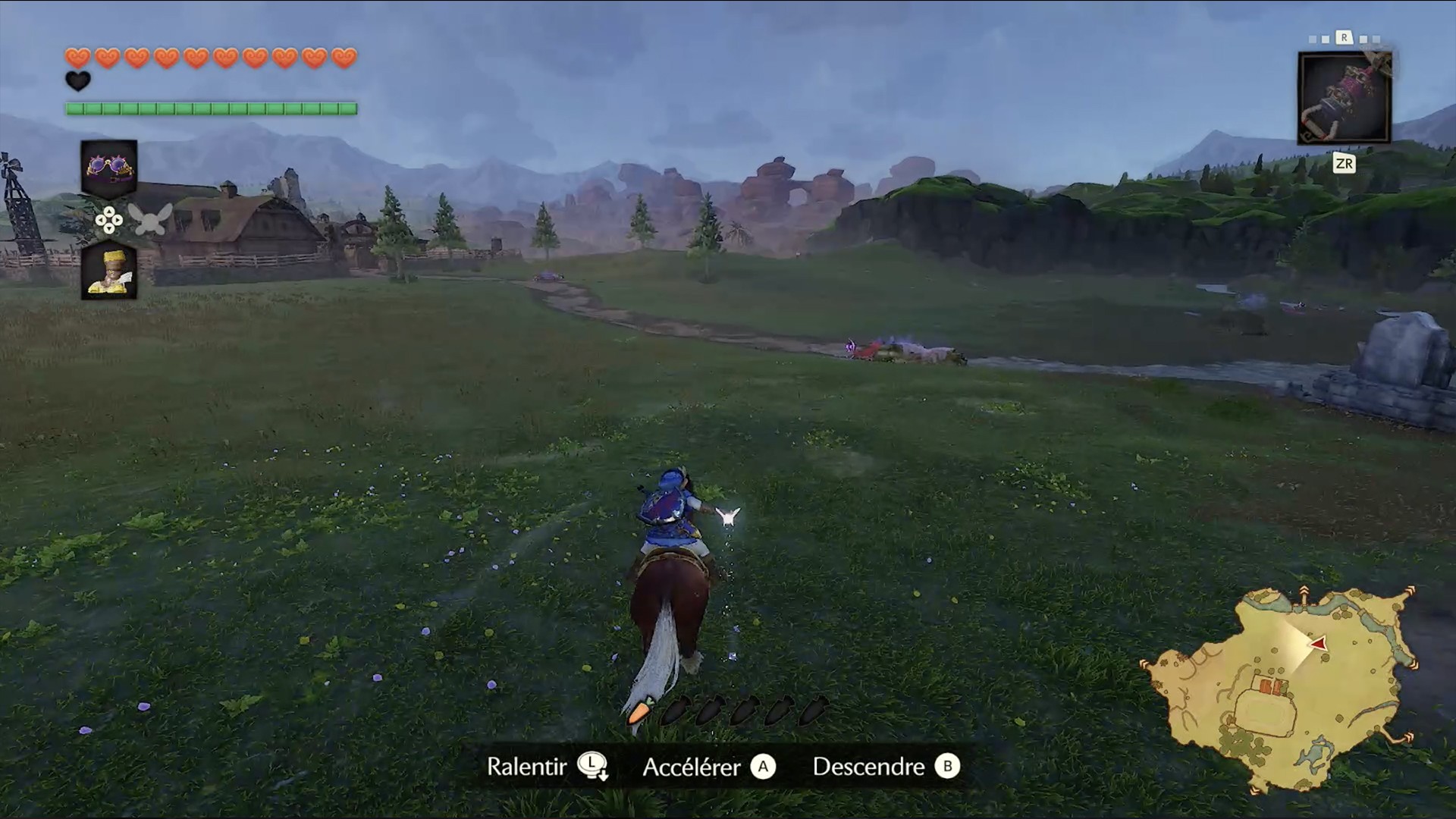
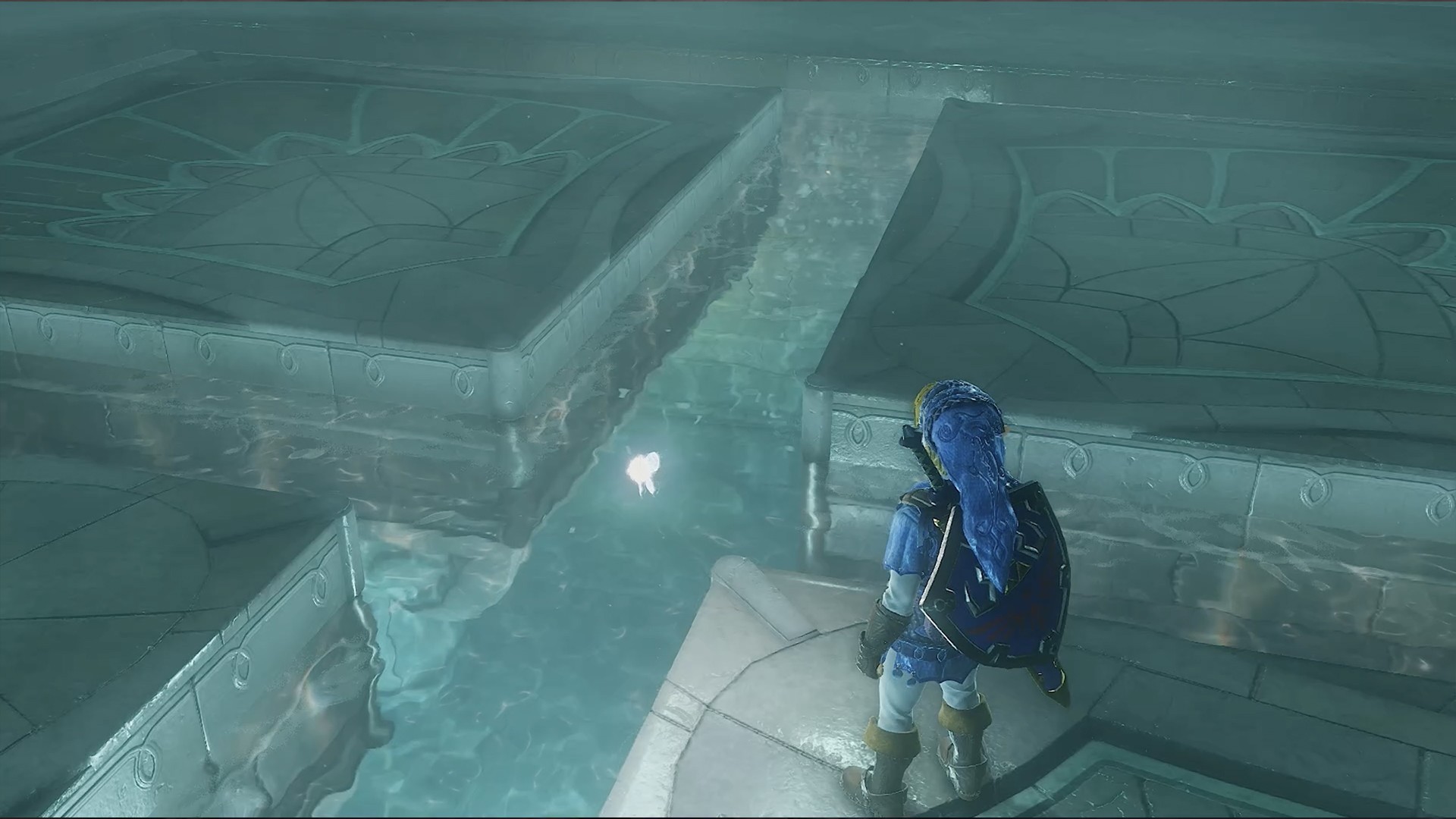
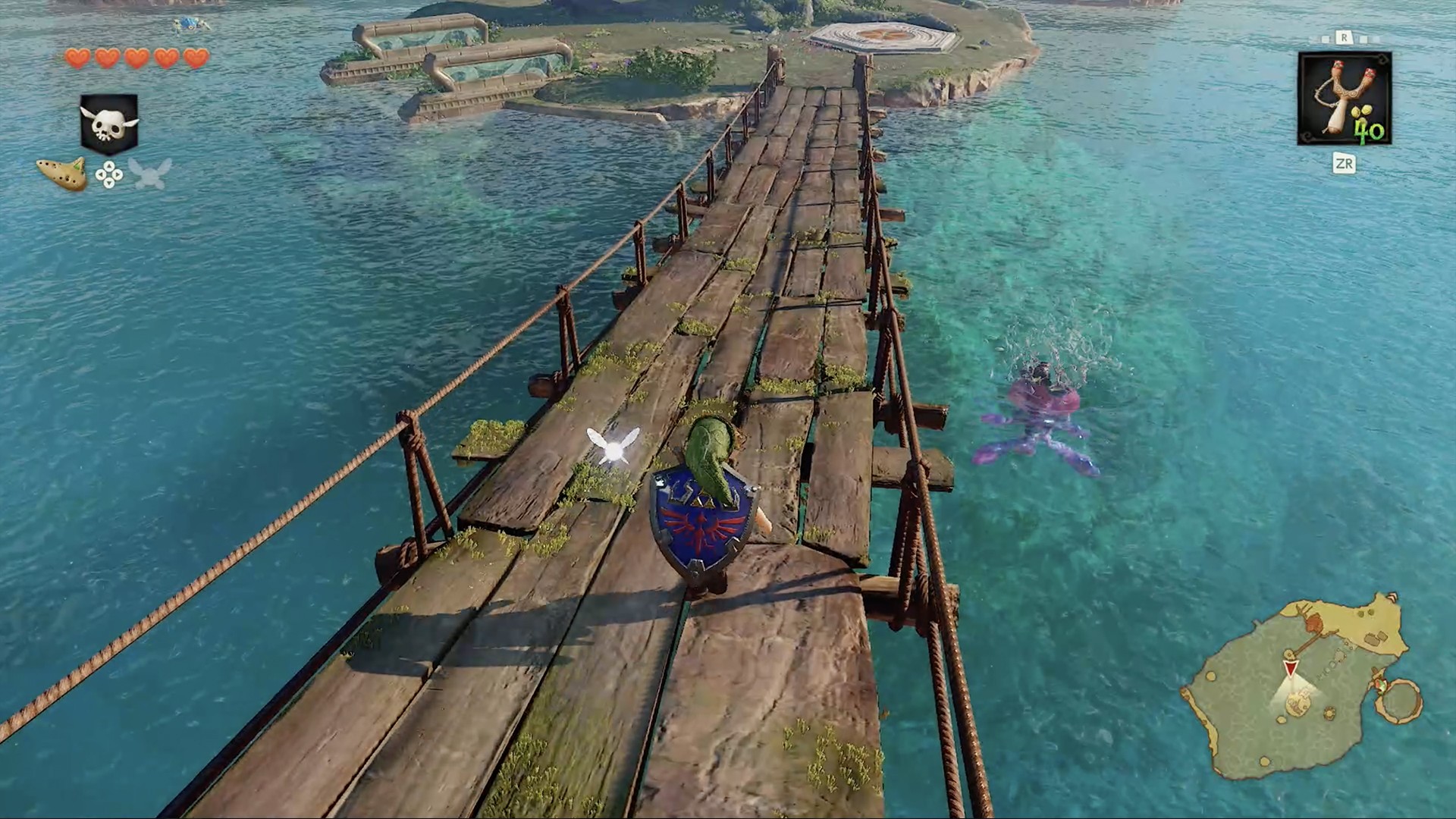
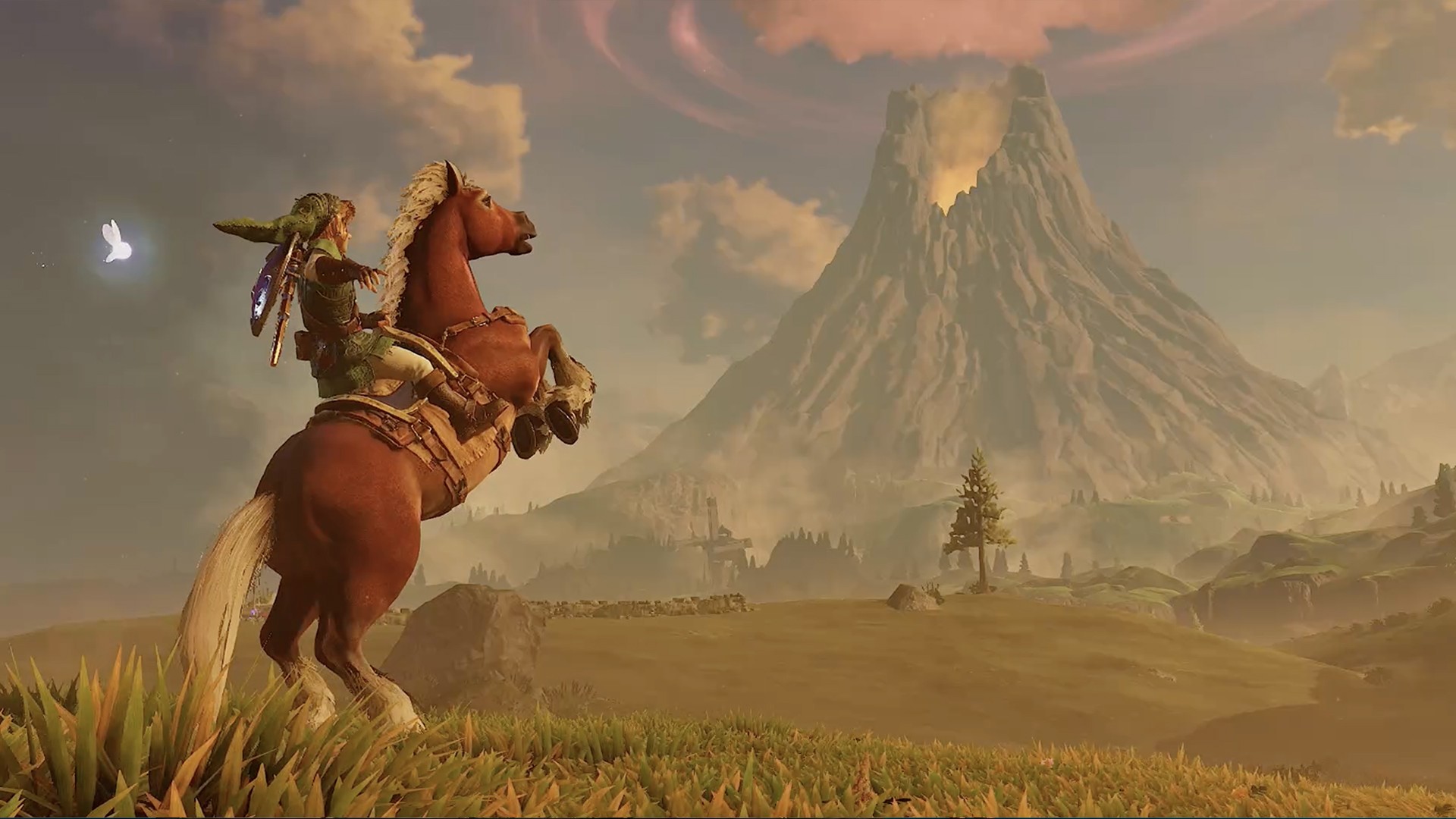
The first thing that immediately strikes us about this remake is its visual presentation. And yes, The Legend Of Zelda: Ocarina Of Time on Nintendo Switch 2 looks absolutely gorgeous, proving all on its own that the console has plenty of power under the hood (Game Freak, take notes for Pokémon). The graphics are truly impressive, as are the visual effects, water rendering and attention to detail. Hyrule Field can feel a little empty, which stands out somewhat compared to the rest of the game. However, the dungeons, the citadel, the various villages and all the other locations are packed with detail and vegetation. It's clear that an enormous amount of work has gone into this remake.
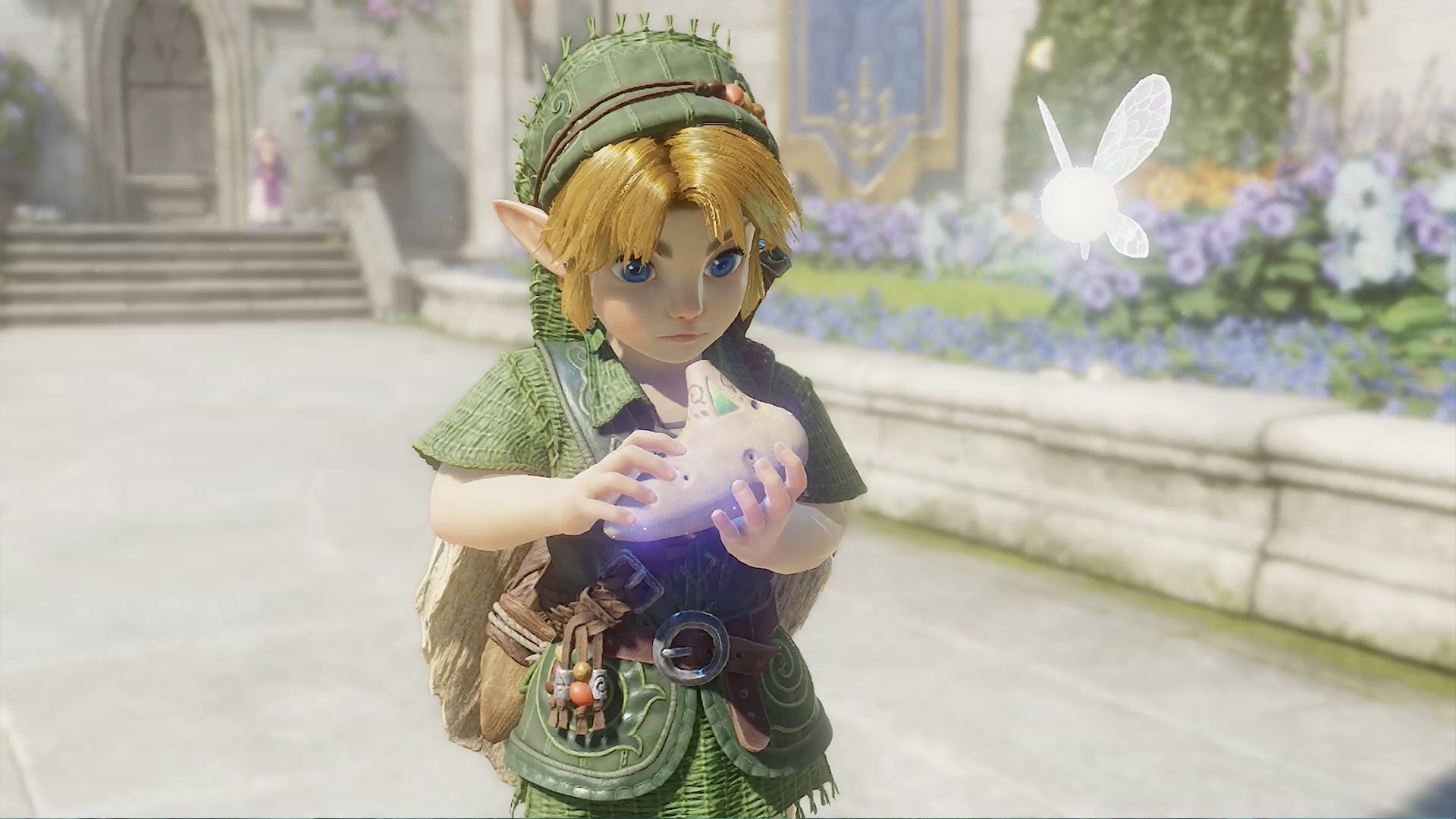
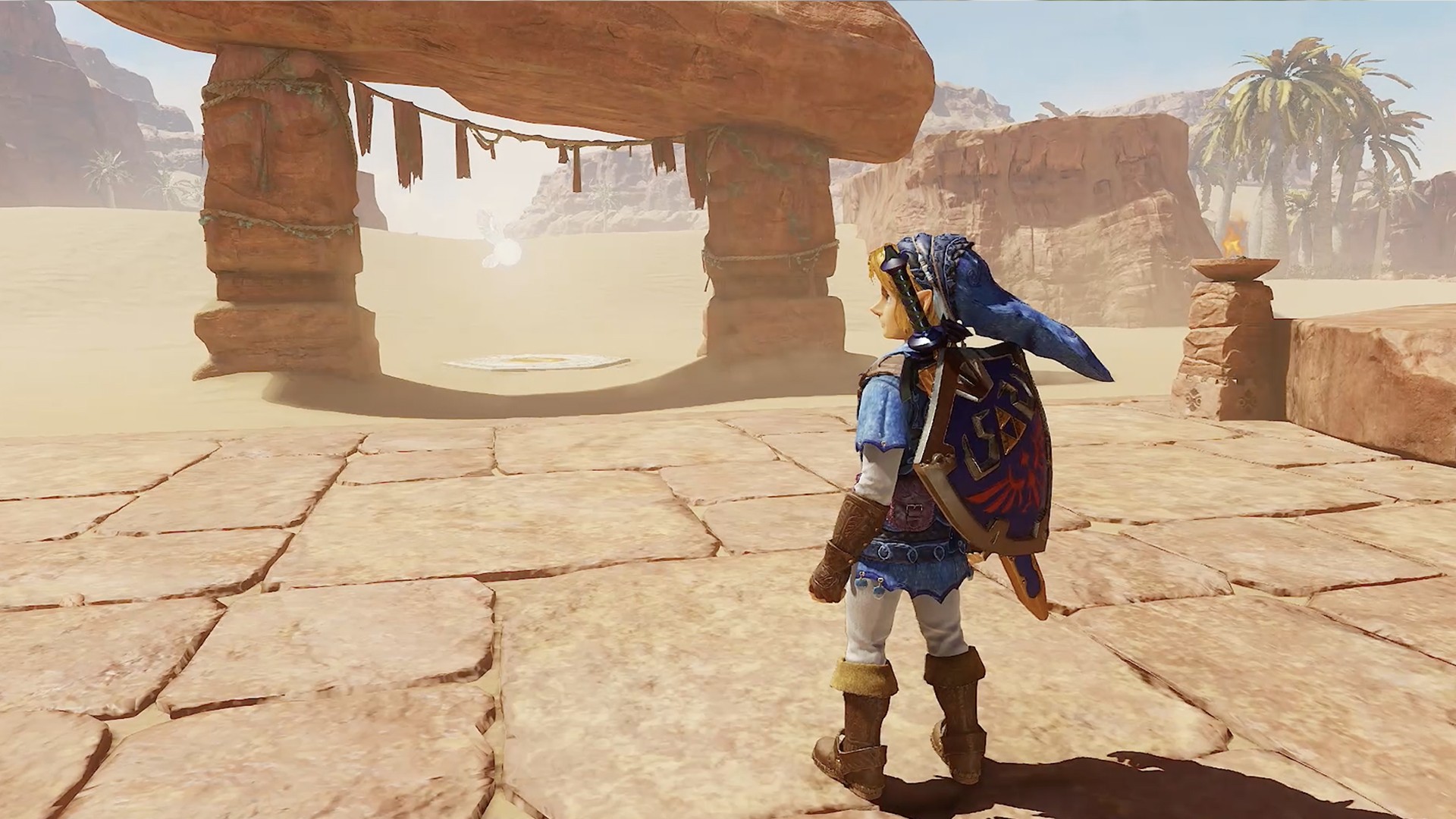
The art direction also plays a major role. The game looks fantastic, with some particularly charming character designs. It adopts a cartoon-like visual style that works wonderfully. All of this is enhanced by excellent cinematics and a sensational soundtrack, with the original compositions reworked and improved through orchestral arrangements. The result gives Link's adventure a truly epic feel.
The game runs at 60 FPS and delivers a consistently smooth experience, with no frame-rate drops in either handheld or docked mode.
A unique atmosphere, perfectly recreated
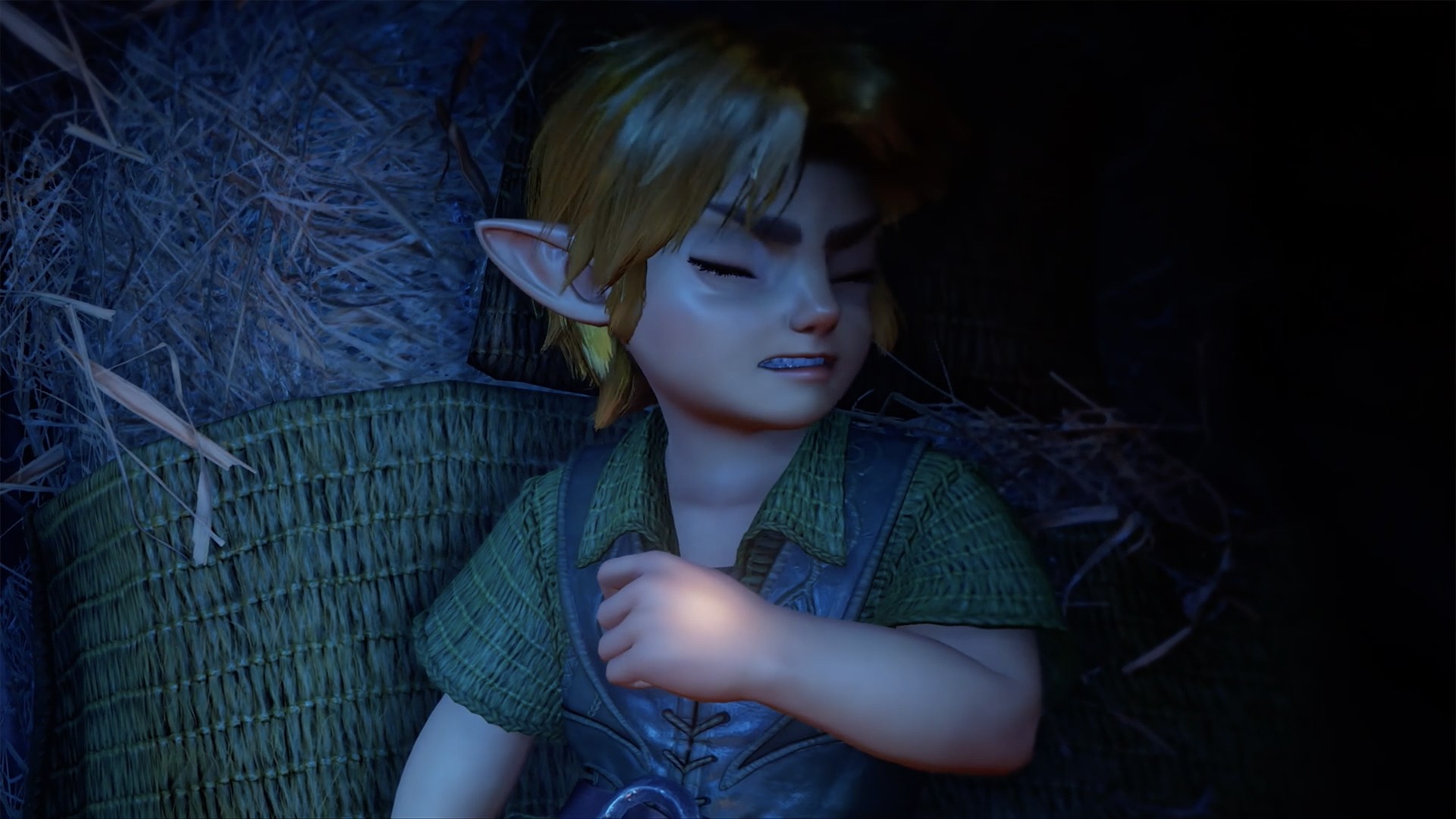
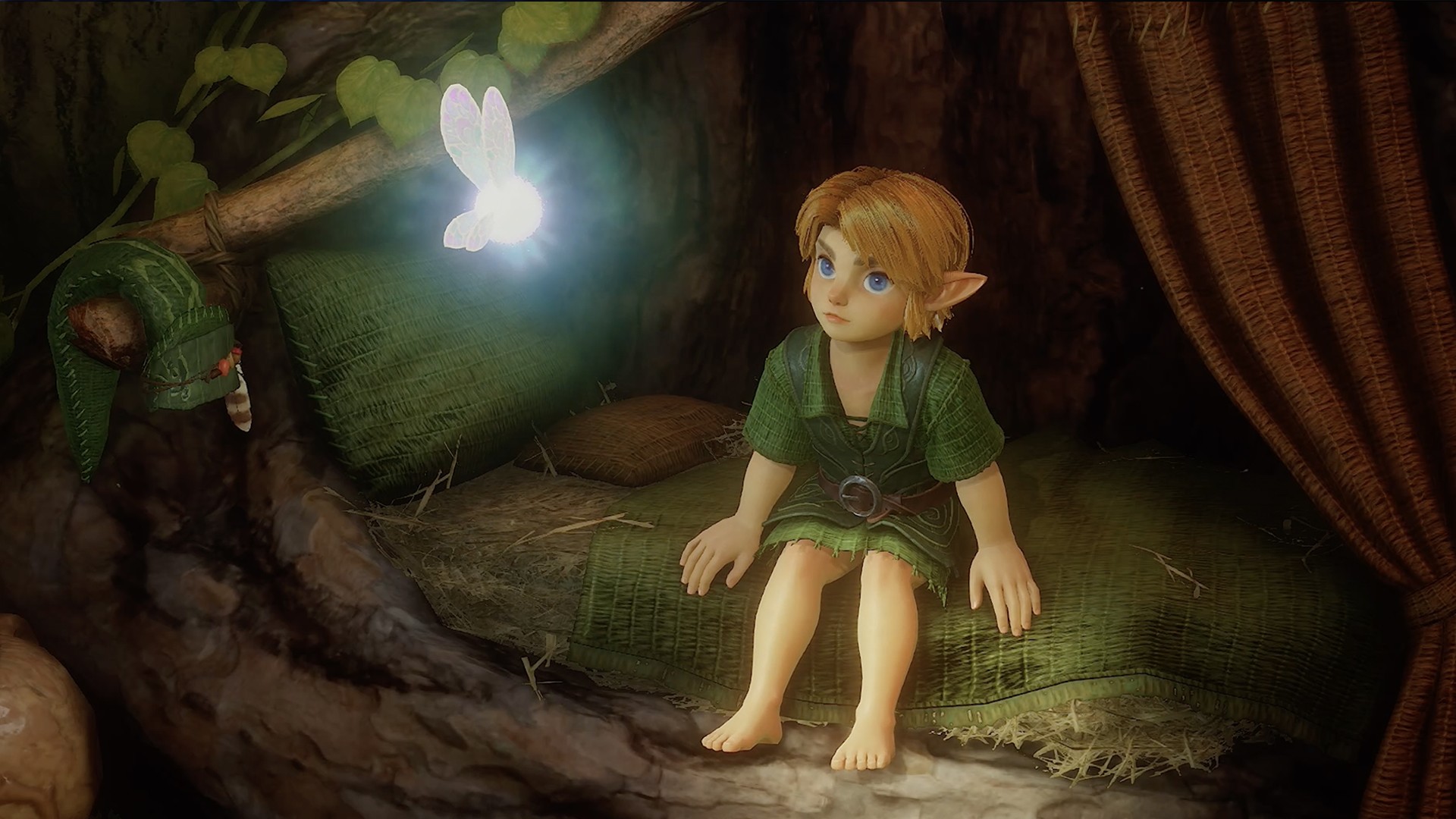
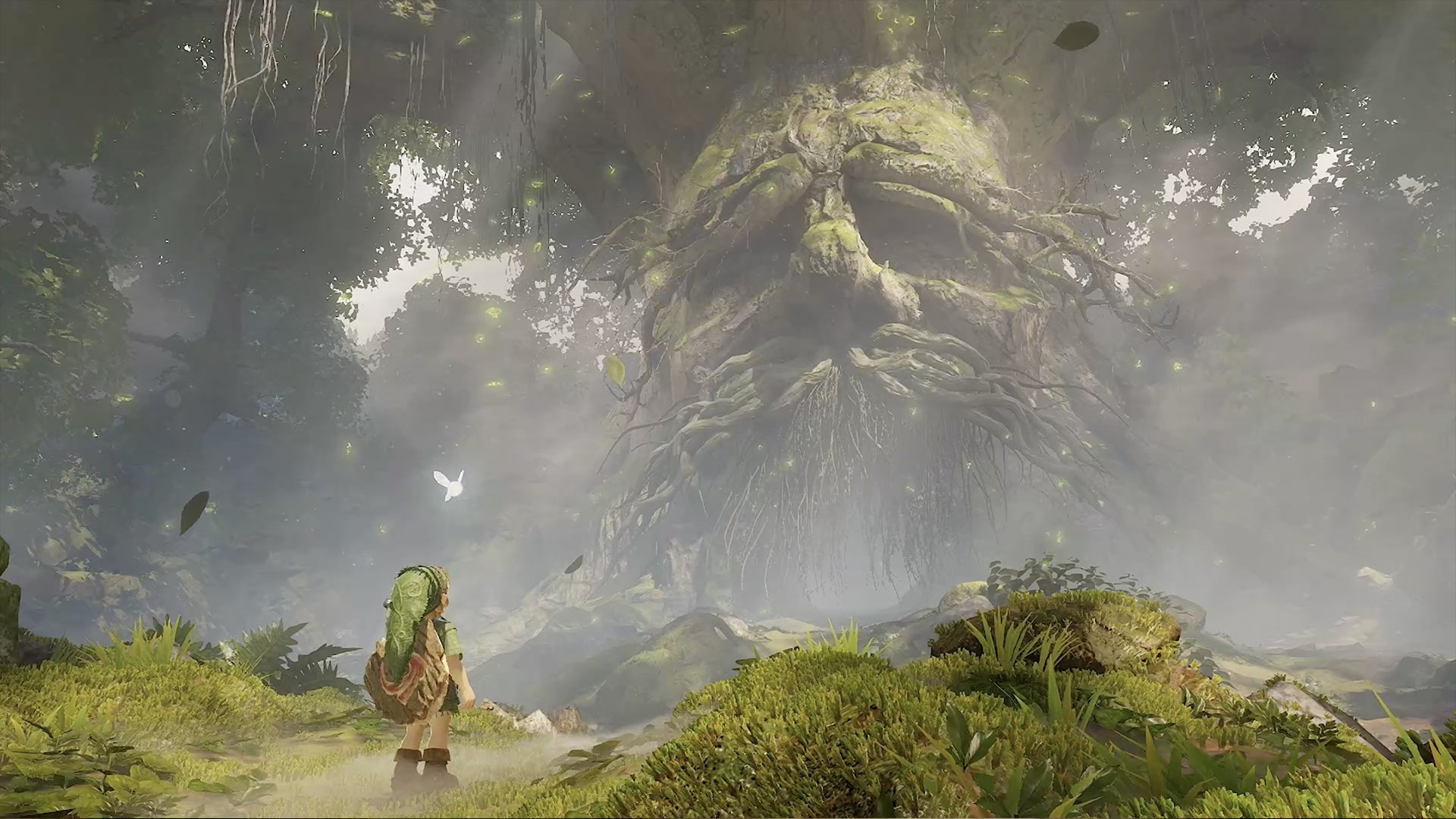
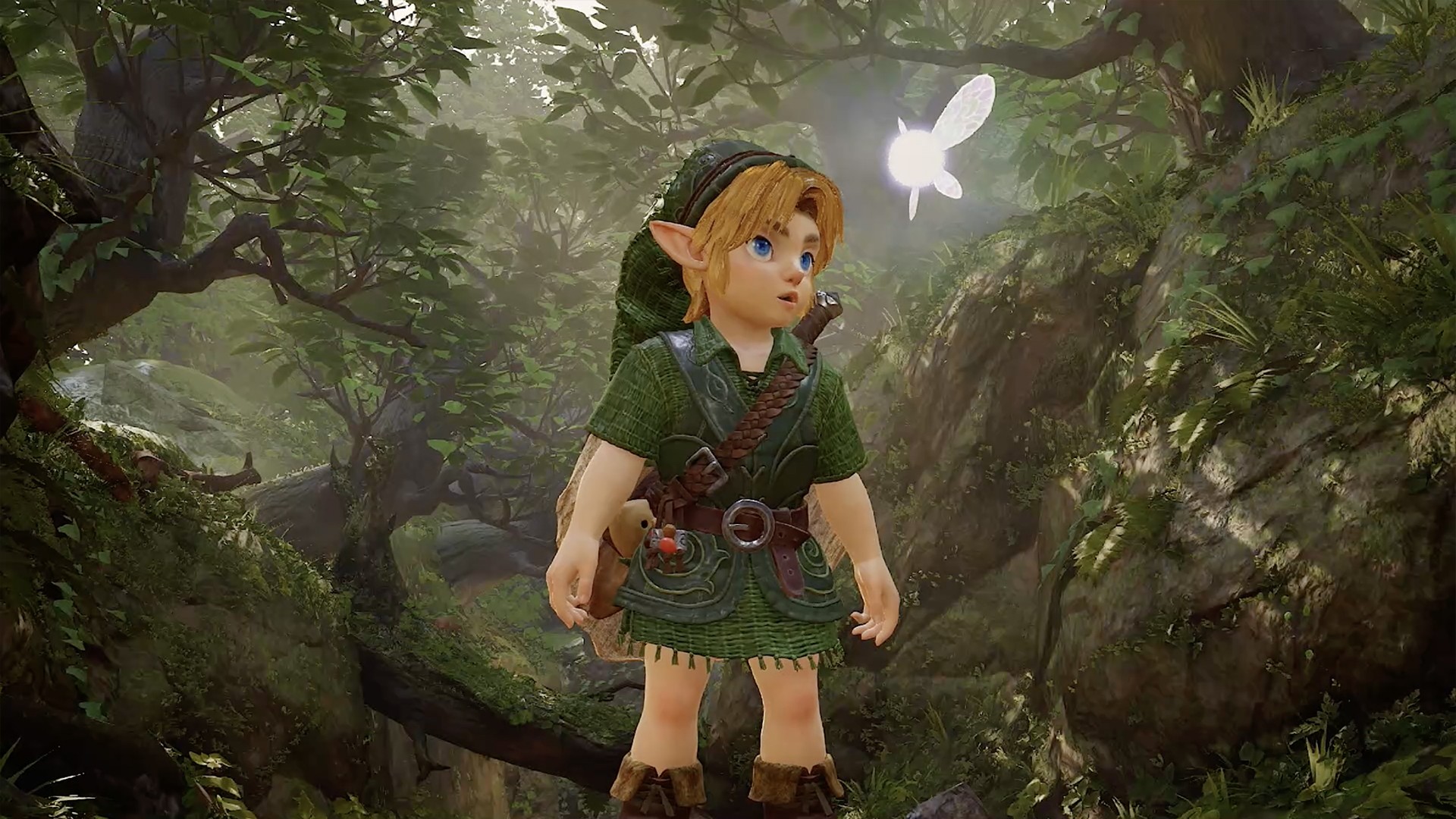
Among the countless positive aspects of The Legend Of Zelda: Ocarina Of Time, its atmosphere, world and lore are undoubtedly some of the most memorable. This was only the fifth instalment in the The Legend Of Zelda series, and it was the first to bring these elements into such a realistic 3D environment on Nintendo 64, following previous entries on Game Boy, NES and Super Nintendo.
Nintendo faced a considerable challenge with this remake: preserving the essence of everything that made the original so special. And it has succeeded. The developers have recreated the game's atmosphere to perfection, and from the very first minutes, its adventure, music and world draw us in completely.
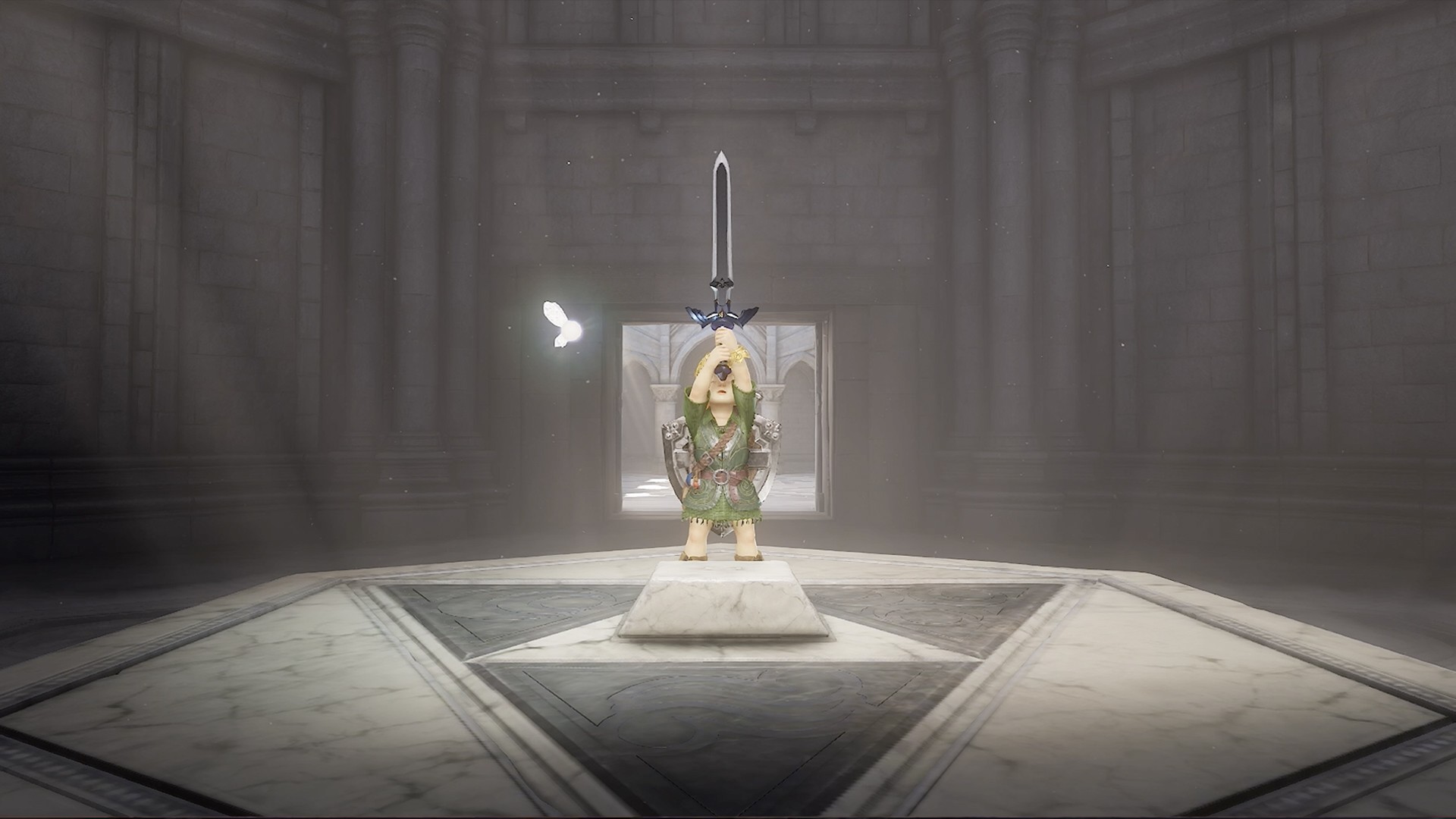
The Legend Of Zelda: Ocarina Of Time offers an adventure split across two different periods. We begin our journey as a young Link in a colourful, cheerful world with relatively few dangers. Our mission is to find three Spiritual Stones to protect the kingdom of Hyrule from a looming threat. The first dungeons aren't particularly complicated or dangerous. Unfortunately, this peaceful period doesn't last long.
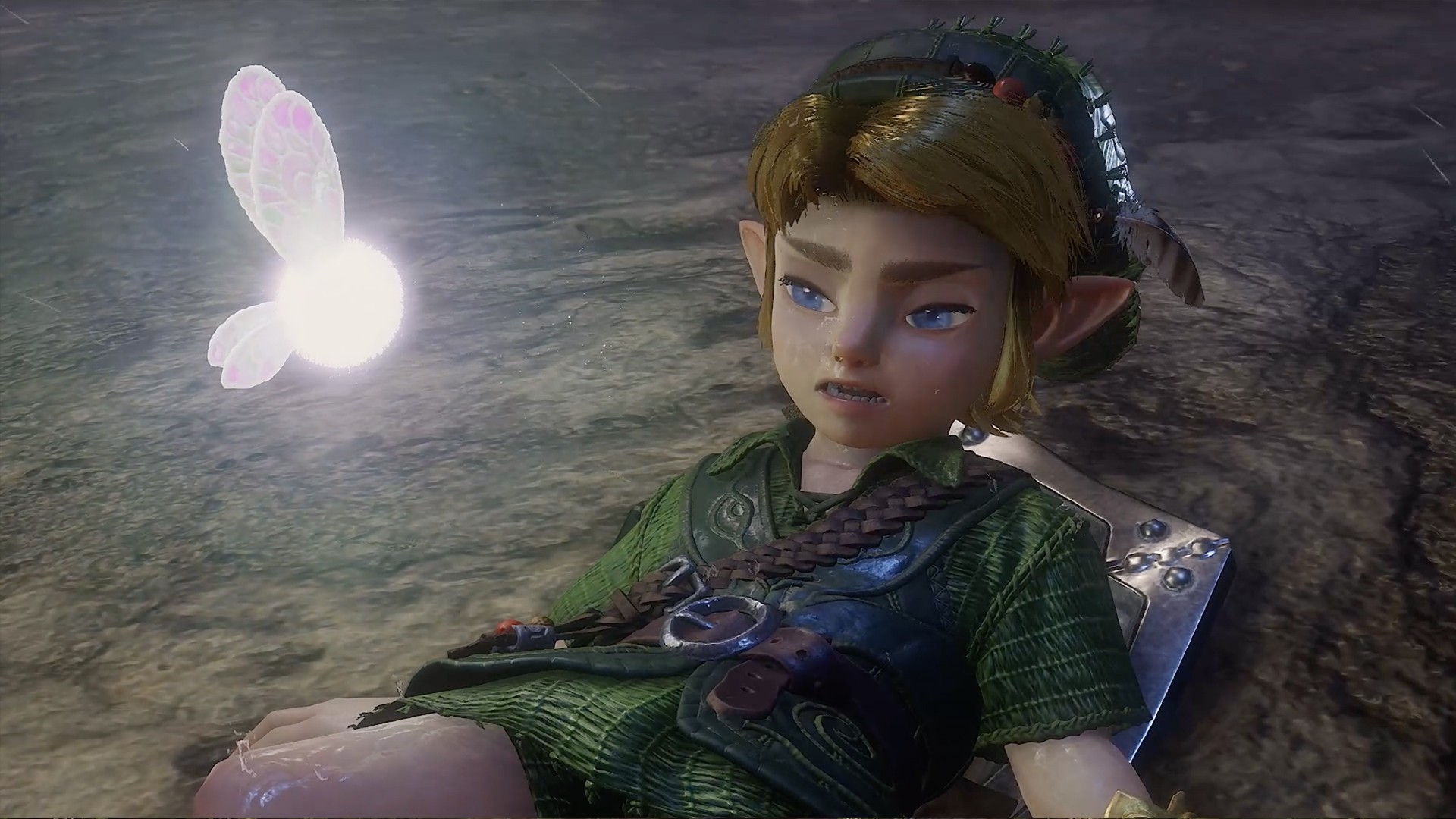
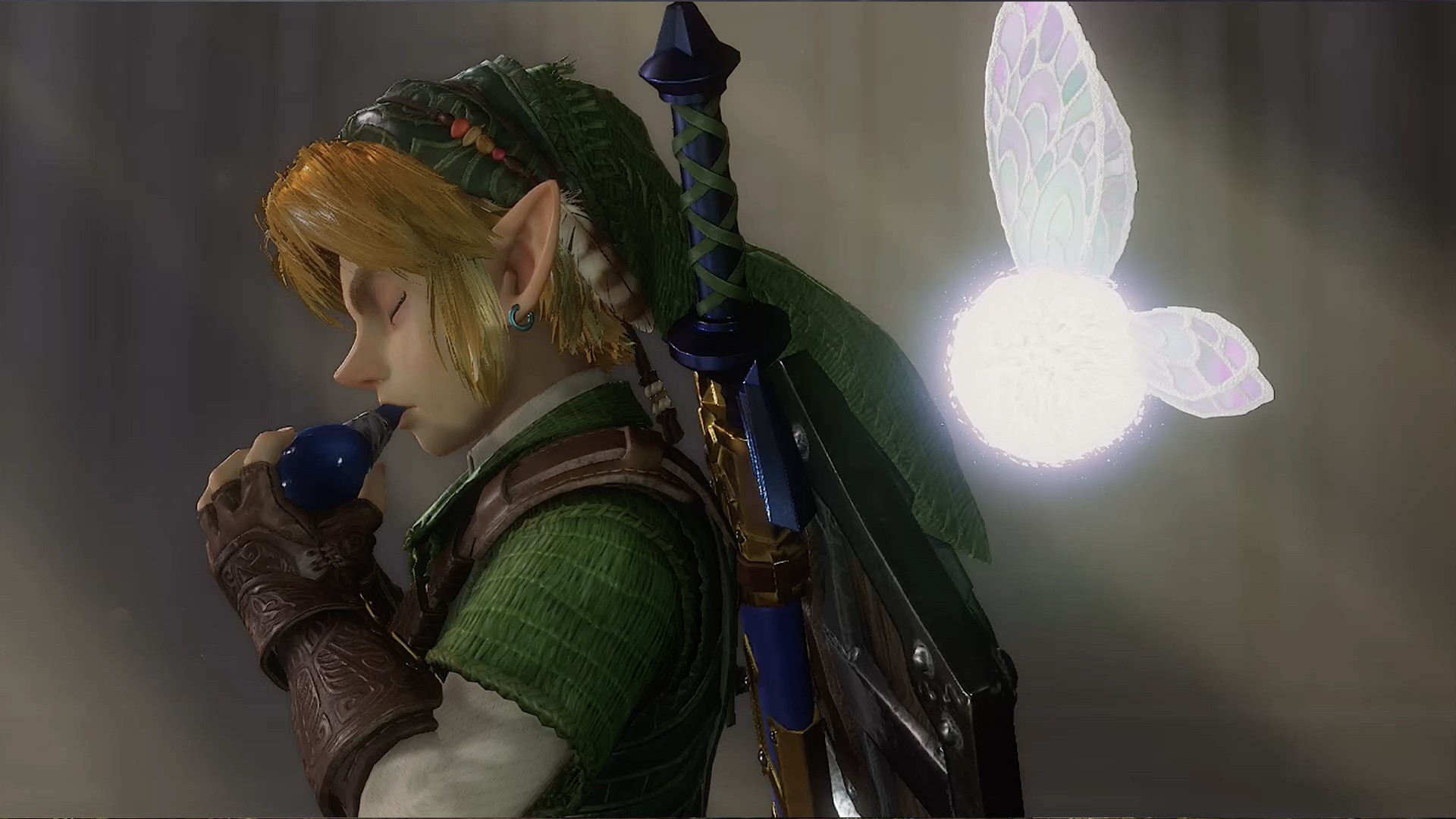
Following a series of tragic events, the dreaded threat finally strikes Hyrule, plunging the kingdom into darkness. A seven-year time skip takes us to a much more dangerous and threatening world, where we find an adult Link. This time, our mission is to find five sages who will help us protect Hyrule and defeat Ganondorf, the antagonist responsible for the kingdom's destruction.
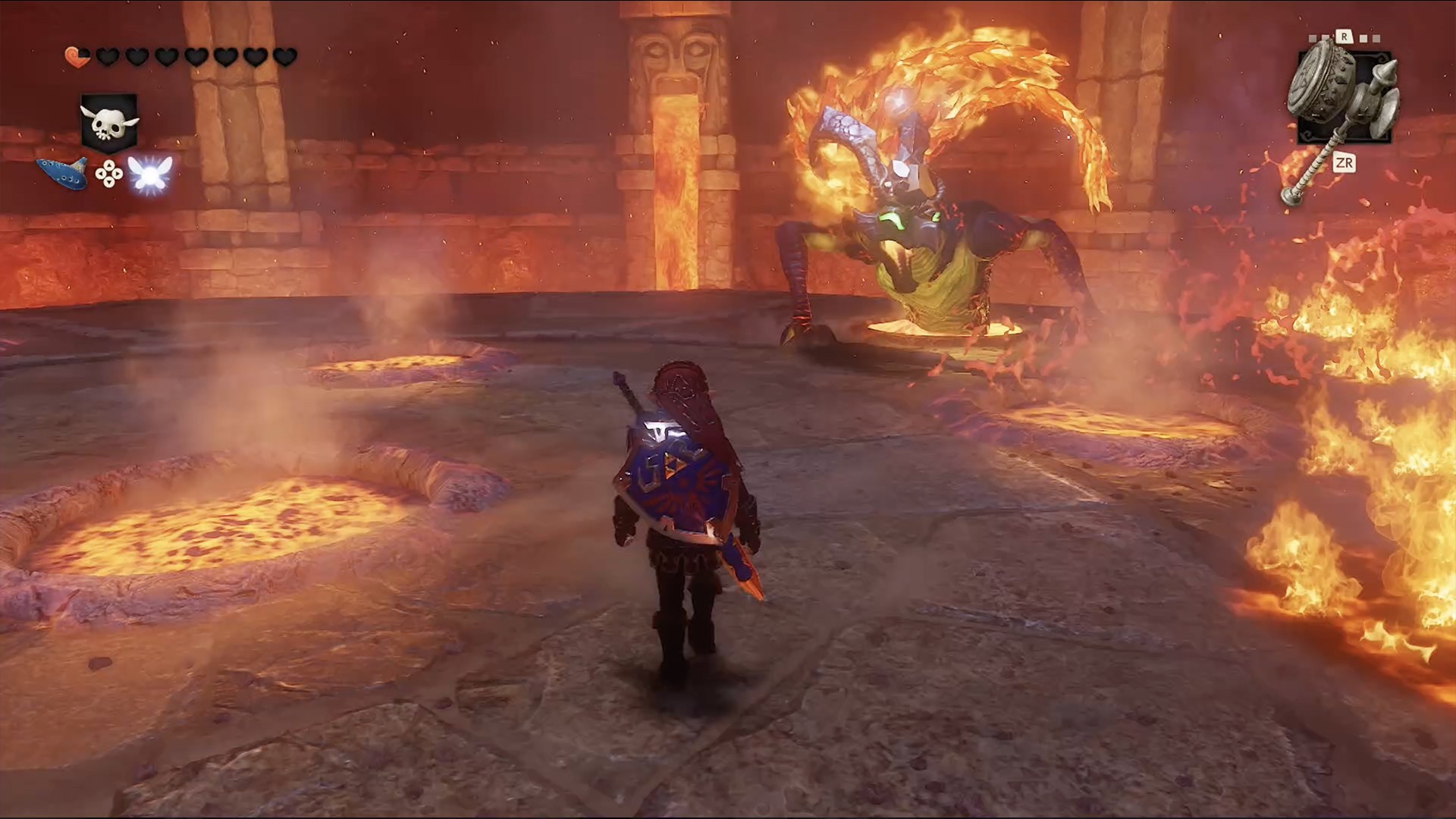
The game shifts to a completely different atmosphere, one that's far more threatening, with numerous locations having undergone radical changes. The dungeons are longer and more challenging, and the adventure becomes increasingly intense. All of this has been brought up to date beautifully thanks to this highly successful remake.
Excellent pacing and difficulty
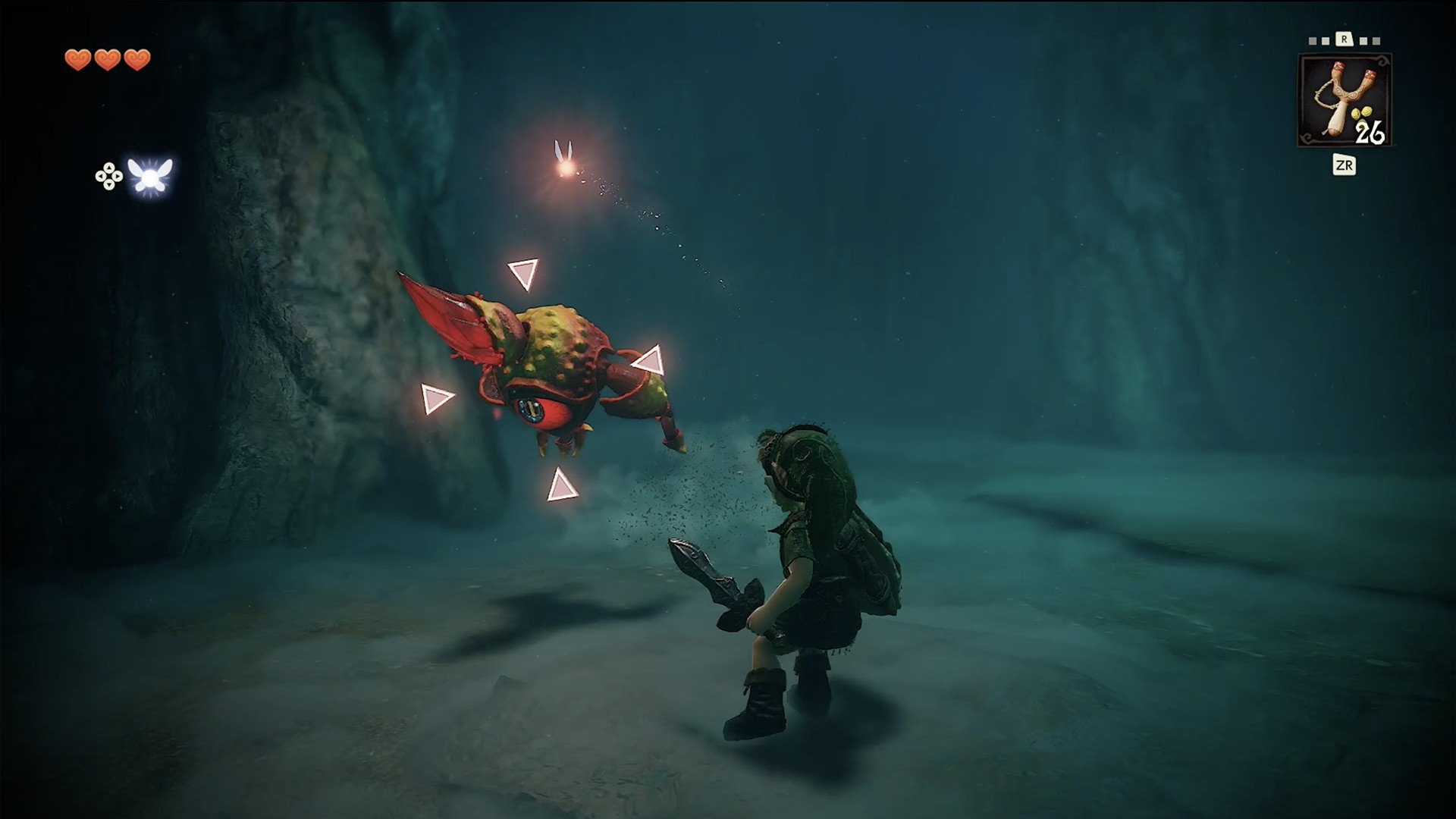
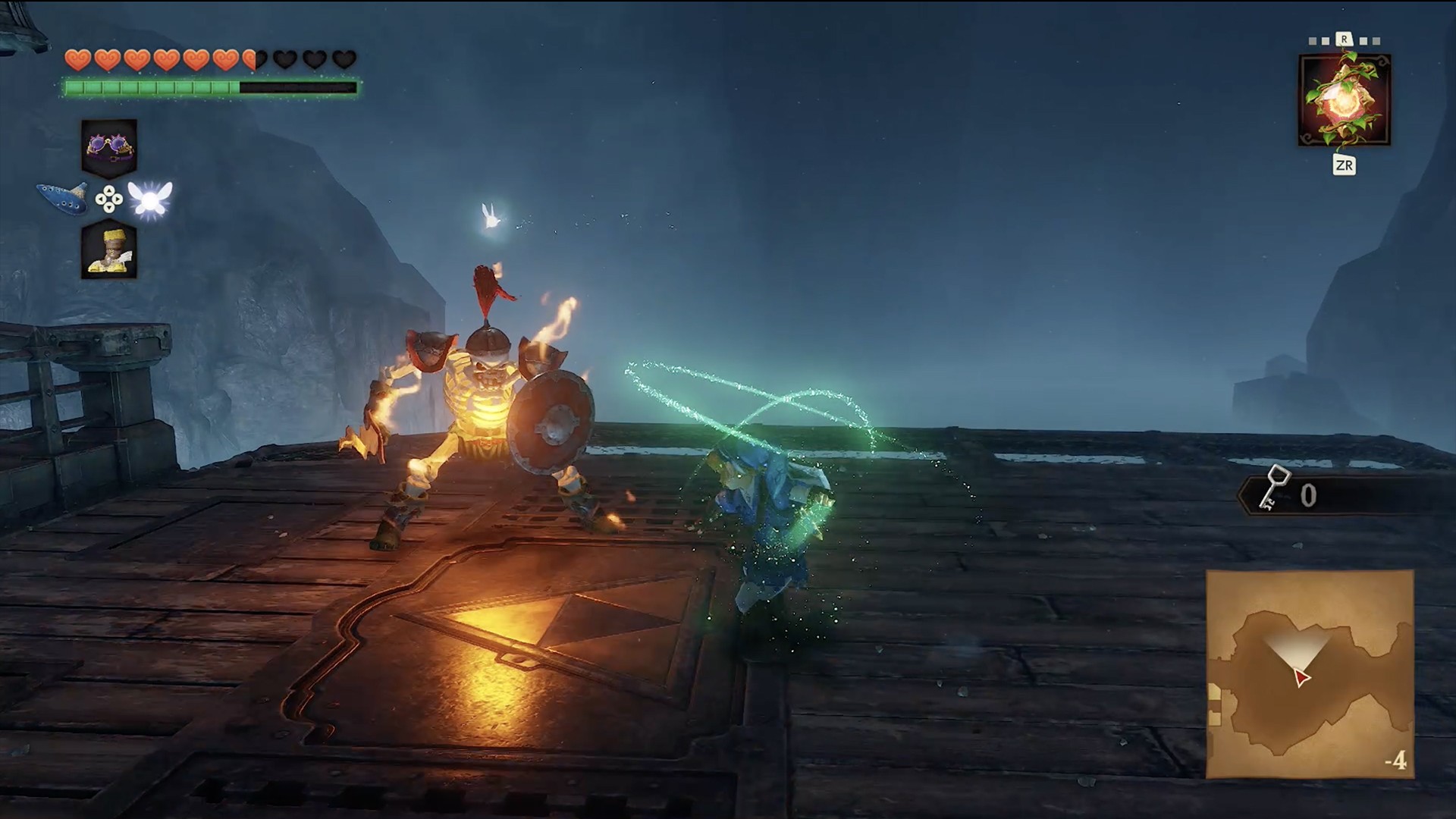
The Legend Of Zelda: Ocarina Of Time offers a fantastic adventure that takes around 20-25 hours to complete if you focus on the main story, or approximately 25-30 hours if you're aiming for 100% completion. The narrative flows naturally and never feels unnecessarily stretched out. The various sequences and dungeons follow one another at a very enjoyable pace. This remake also introduces new cutscenes featuring English voice acting, which is of excellent quality. The original written dialogue is also retained, just as it was in the original game.
The game doesn't feature selectable difficulty settings. Instead, the challenge gradually increases as you progress, with a very well-balanced curve. Overall, the experience remains highly accessible and doesn't offer any particularly demanding challenges. The dungeons are genuinely enjoyable and cleverly designed, especially considering that the original game is now 28 years old. That said, some of them show their age, particularly in terms of their layouts and level design, which are beginning to feel somewhat dated. Nevertheless, the dungeons in this version of Ocarina Of Time remain excellent overall.
An almost flawless remake
Let's be honest: The Legend Of Zelda: Ocarina Of Time Remake on Nintendo Switch 2 ticks almost every box and immediately establishes itself as an essential addition to the console's library. It's beautiful, smooth and packed with content, leaving us with very little to complain about. However, there are still two or three minor issues worth mentioning.
First of all, Epona's controls are absolutely dreadful. And we're not exaggerating. It's so bad that we often end up avoiding the horse altogether and travelling almost everywhere on foot. Even the slightest step becomes an obstacle that brings Epona to an immediate halt. Turning is an absolute nightmare, and precision is simply out of the question. Unless you're galloping, every movement feels slow and imprecise. In short, it's a complete disaster.
The game also features quite a few loading screens, although they're relatively short. Launching it from the Switch 2 menu is quick, and once you reach the game's main menu, getting into the action takes very little time. However, you'll encounter numerous loading screens lasting around two or three seconds whenever you enter or leave an area. It's nothing particularly serious, but in 2026, with SSDs being the norm, we're no longer used to these kinds of interruptions. Still, don't worry: it's nowhere near as bad as Starfield.
Finally, we can also be a little picky and point out that the visual presentation is occasionally inconsistent. Hyrule Field is a good example: it's rather empty and barren, with a noticeable lack of detail compared to the rest of the game.
Tested on Nintendo Switch 2. See our rating policy here.
9/10
The Legend Of Zelda: Ocarina Of Time makes a triumphant return in 2026 on Nintendo Switch 2. The game looks absolutely stunning and takes us on a grand, epic journey filled with magic. The atmosphere, world, lore and everything that made the original such a success have been preserved, enhanced and improved, resulting in an almost flawless reimagining. It's an essential addition to the Switch 2 library and one that could set new standards for graphics and performance.
- + Absolutely gorgeous visuals (graphics, art direction...)
- + Technically impressive (stable 60 FPS in both handheld and docked modes)
- + The soundtrack and sound design
- + The world, atmosphere and lore have been faithfully preserved and recreated
- + Well-balanced and natural progression and difficulty
- + Excellent voice acting
- - Some areas lack detail, particularly Hyrule Field, which feels rather empty
- - Epona's controls are dreadful
- - Some dungeons haven't aged particularly well (layouts, level design...)
- - Quite a few loading screens, even if they're very short