Marvel Rivals Review: A clash of titans… in spandex
, by Enzo
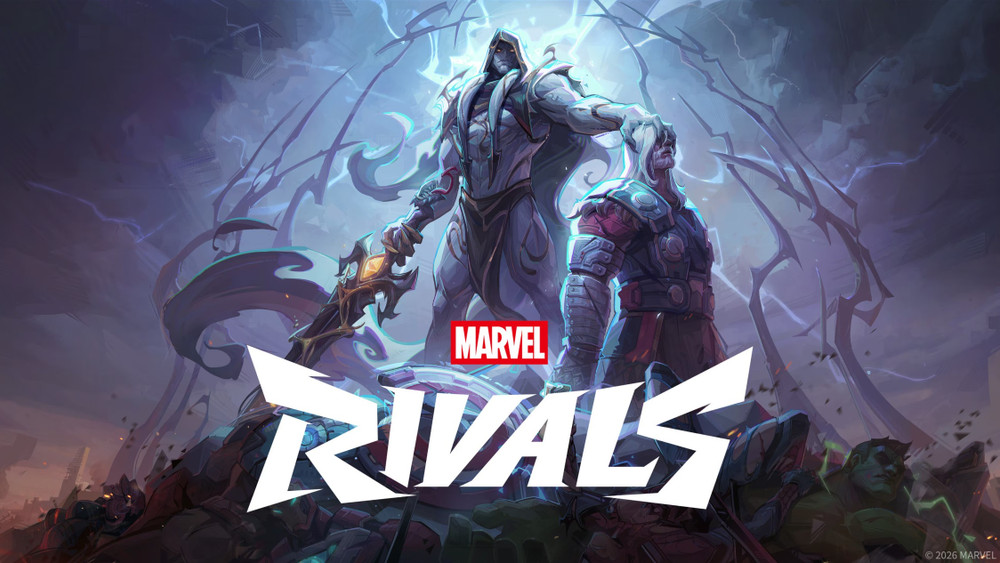
For several years now, the video game industry has been trying to reinvent the hero shooter. Between the established giants and projects that disappear just a few months after launch, few titles have managed to establish a true identity. With Marvel Rivals, however, Marvel and the Chinese studio NetEase are attempting something more ambitious than just another licensed clone: creating a vast playground where battles truly feel like a moving comic book page. The result is quite impressive, sometimes rough around the edges, but always worth exploring.
A classic but effective formula
The premise of Marvel Rivals remains relatively classic on paper. Two teams of six players with different classes face off over various objectives on interactive maps inspired by iconic locations from the Marvel universe. Yet, from the very first minutes, the game sets its own pace.
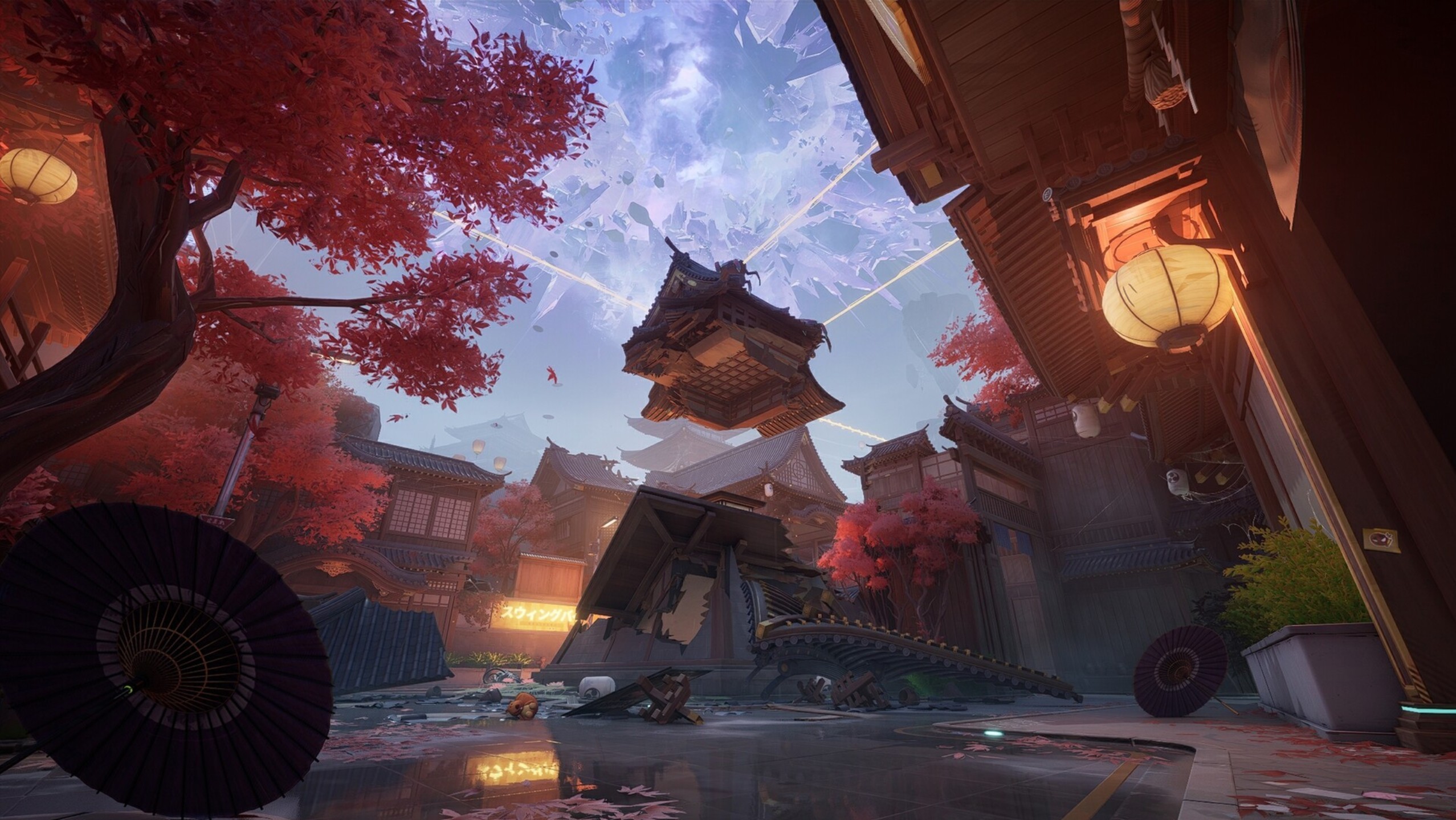
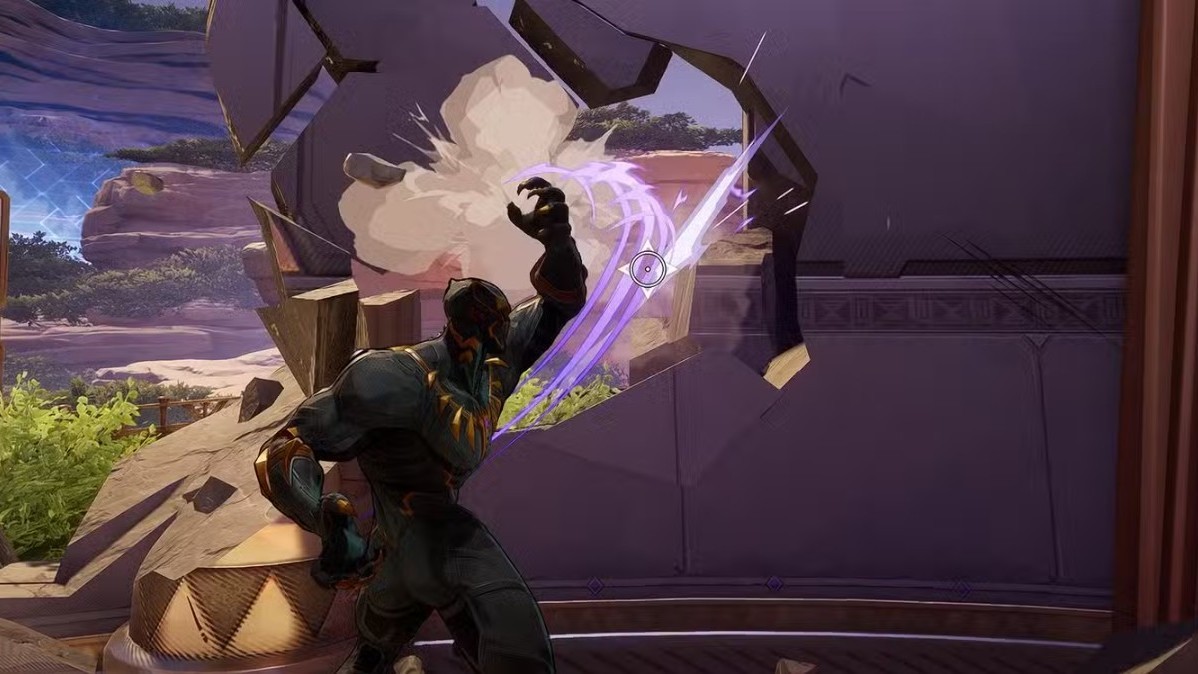
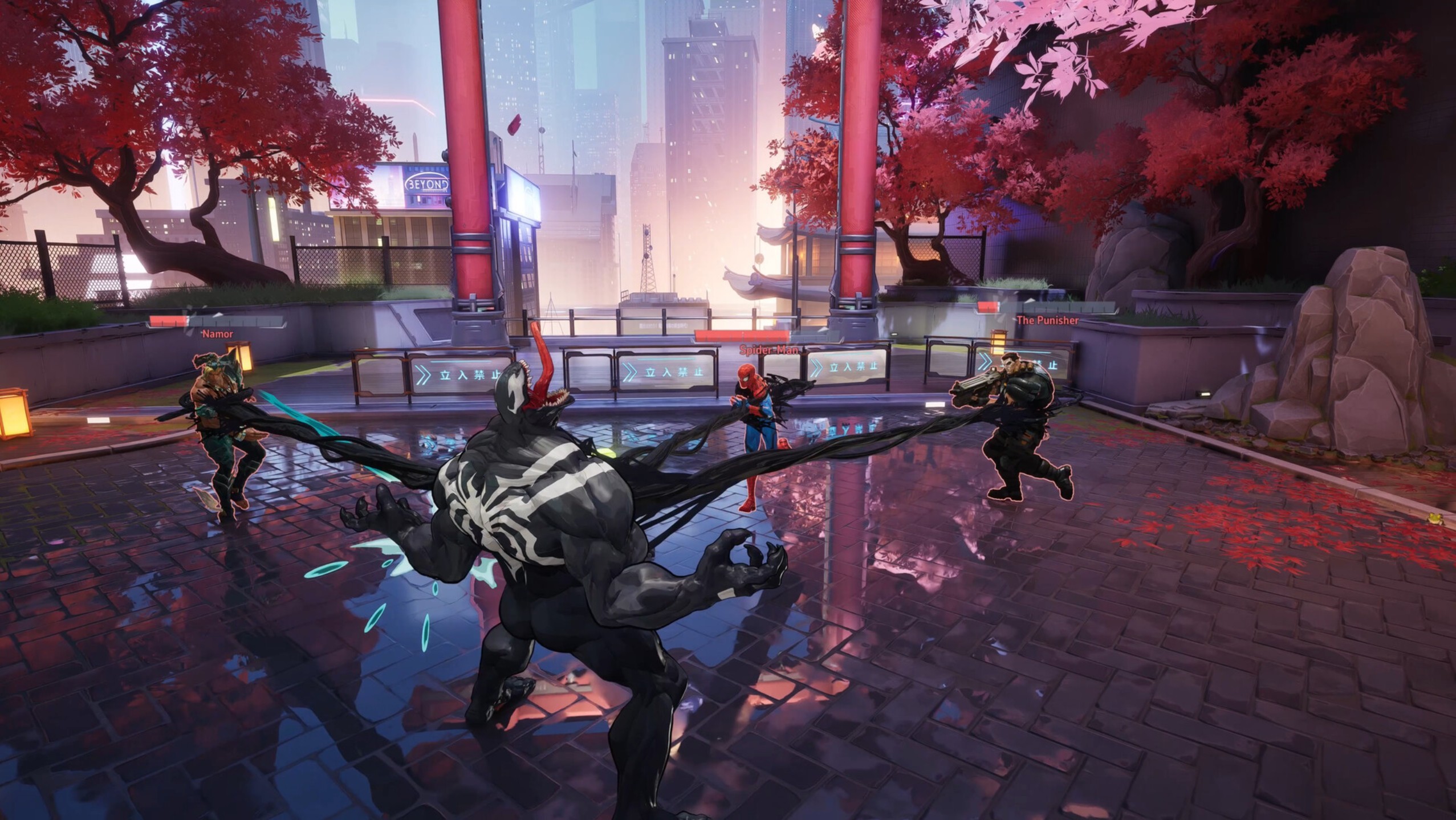
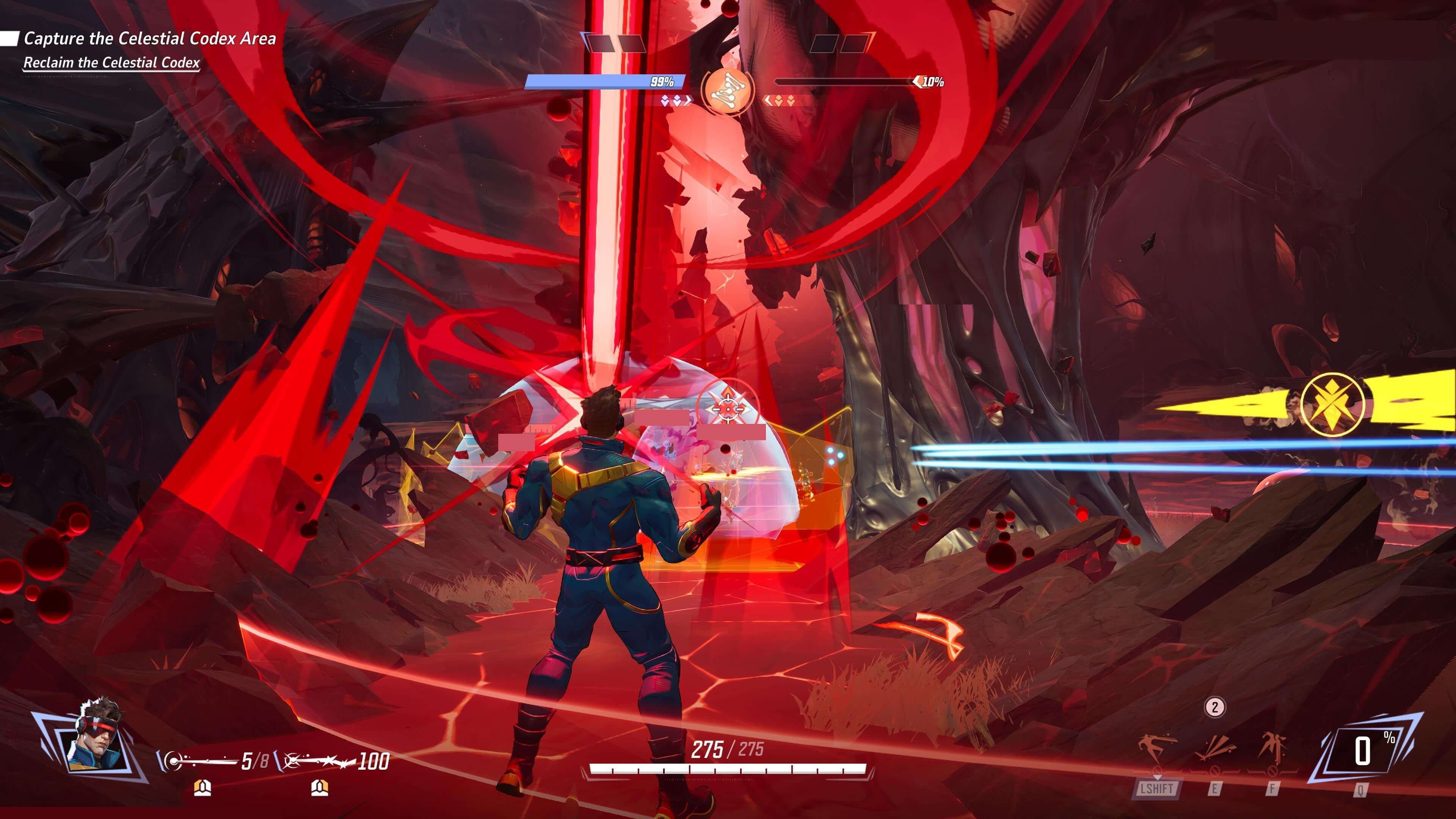
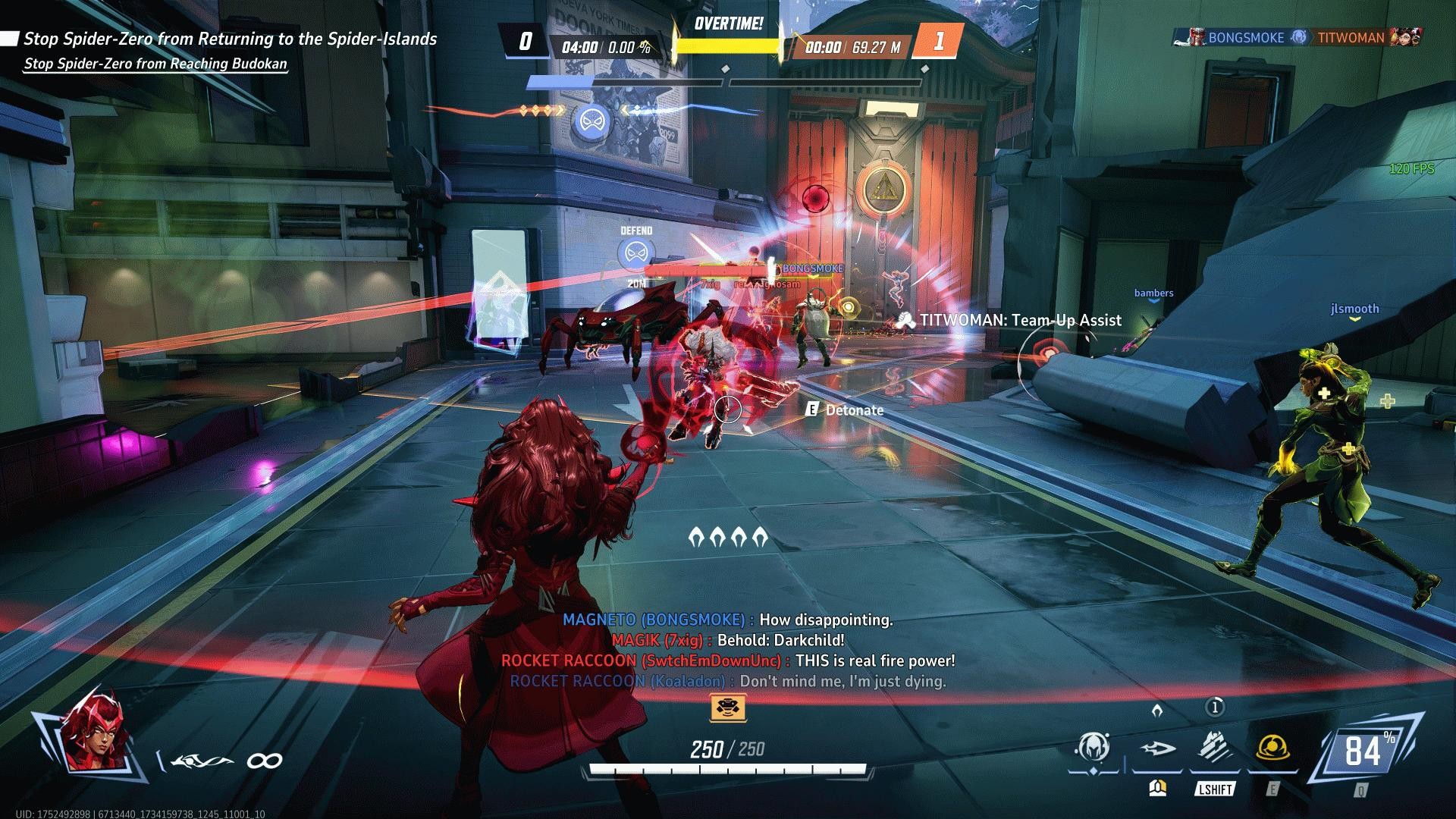
Everything explodes. Literally. Walls crumble as damage piles up, powers clash, ultimate abilities flood the screen with special effects, and heroes race through levels at breakneck speed. While some competitors prioritize tactical precision, Marvel Rivals fully embraces superheroic excess.
Watching the Hulk leap wildly in the middle of a battle while Iron Man pounds the area from the air and Spider-Man swings across the map on his webs immediately gave us that rare feeling: the sensation of playing as true comic book icons, not just interchangeable avatars. The game perfectly captures what makes Marvel so powerful: the spectacle of its characters.
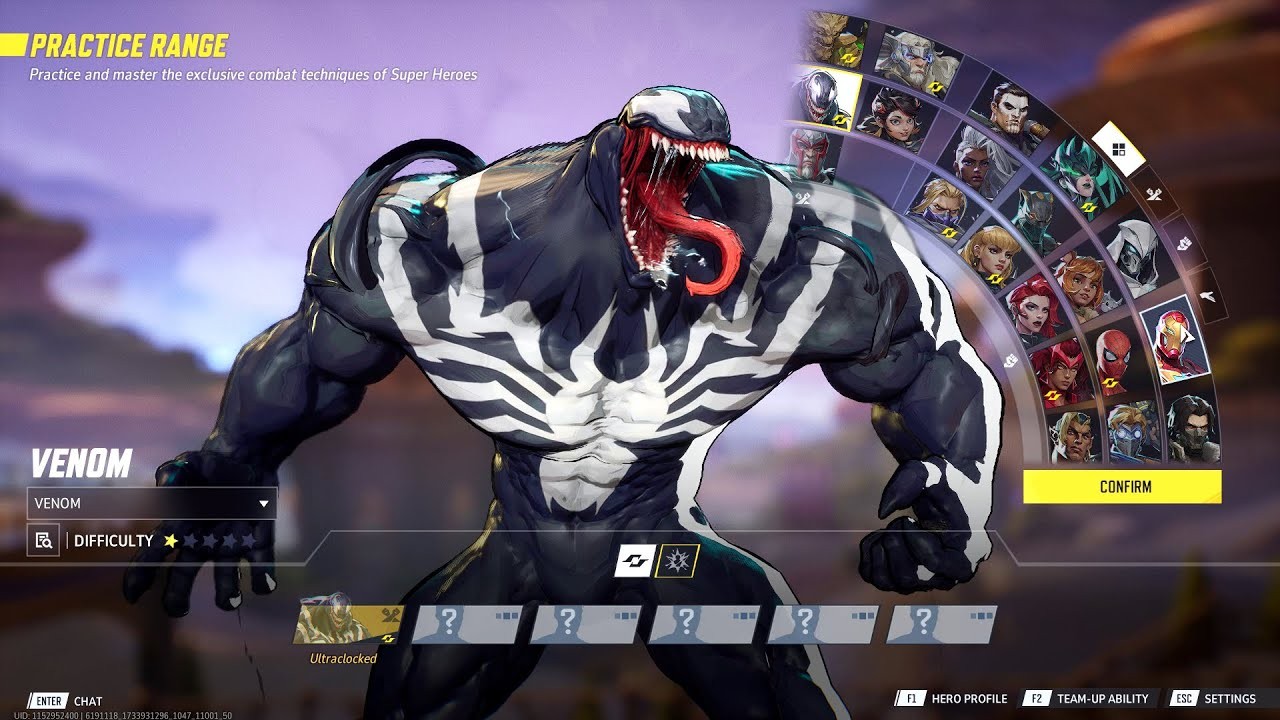
Furthermore, you can switch heroes every time you return to base, which offers great freedom to discover numerous characters, but also to adapt in real time to how a match unfolds. All these different aspects are well integrated into the game, which contributes to another of its strengths: a very quick learning curve.
Asymmetrical heroes & synergies: a brilliant combination
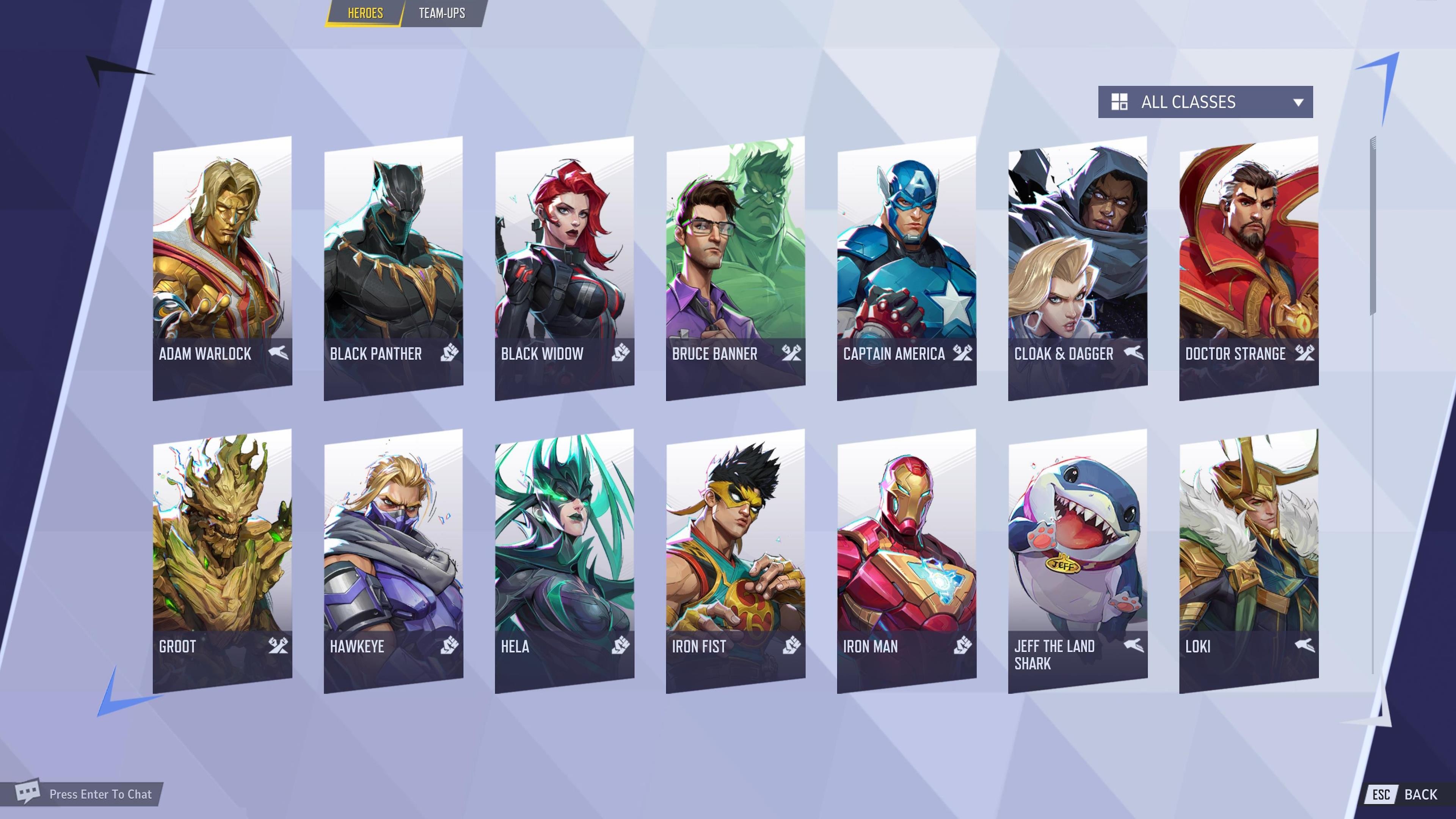
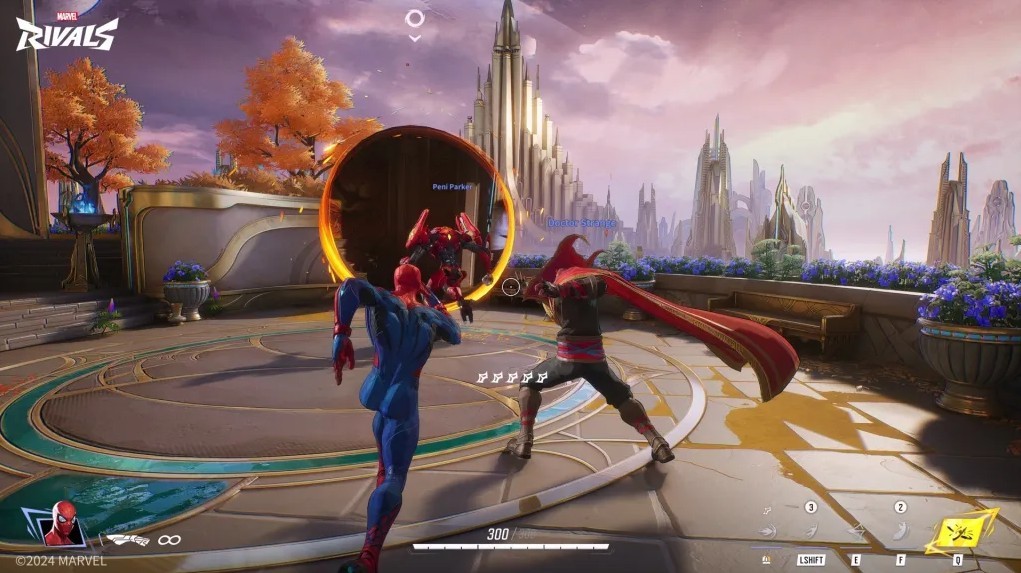
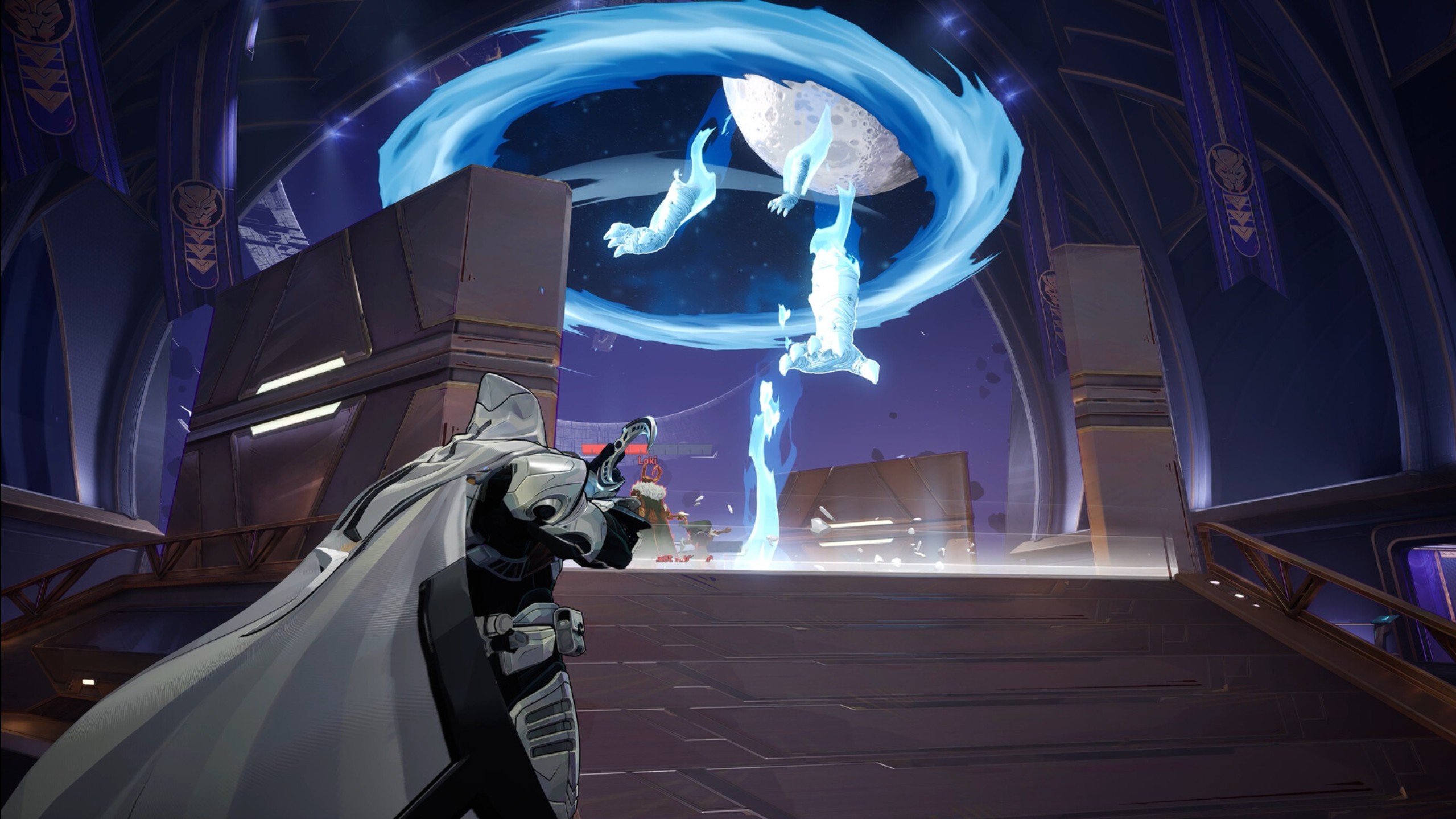
One of the major strengths of Marvel Rivals lies in its roster. Each character has unique mechanics that effectively convey their identity. Let’s look at a few telling examples: Doctor Strange manipulates portals, Loki relies on illusions and confusion, while Rocket Raccoon combines mobility, gadgets, and offensive support.
Most impressive of all is the variety of possible playstyles. Some heroes excel in one-on-one combat, others in area control or defensive support. The game never tries to standardize its roster, even if it means accepting a certain amount of temporary imbalance. And paradoxically, that’s precisely what makes the matches so much fun. The enjoyment comes not only from victory, but from constant experimentation.
Marvel Rivals also finds its identity through its system of hero synergies. Gone are the days when everyone just picked a character without thinking; here, you adapt based on the map, your role, and synergies with other heroes. Certain combinations unlock special abilities when two characters cooperate.
This mechanic adds a new layer of strategy to the battles. Characters don’t simply coexist in the same arena, they interact with each other. The game successfully recreates that quintessential Marvel feeling where heroes with radically different powers improvise strategies in the midst of chaos. This system also encourages players to vary their team compositions rather than endlessly repeating the same optimized teams.
An impressive visual spectacle… but sometimes hard to follow
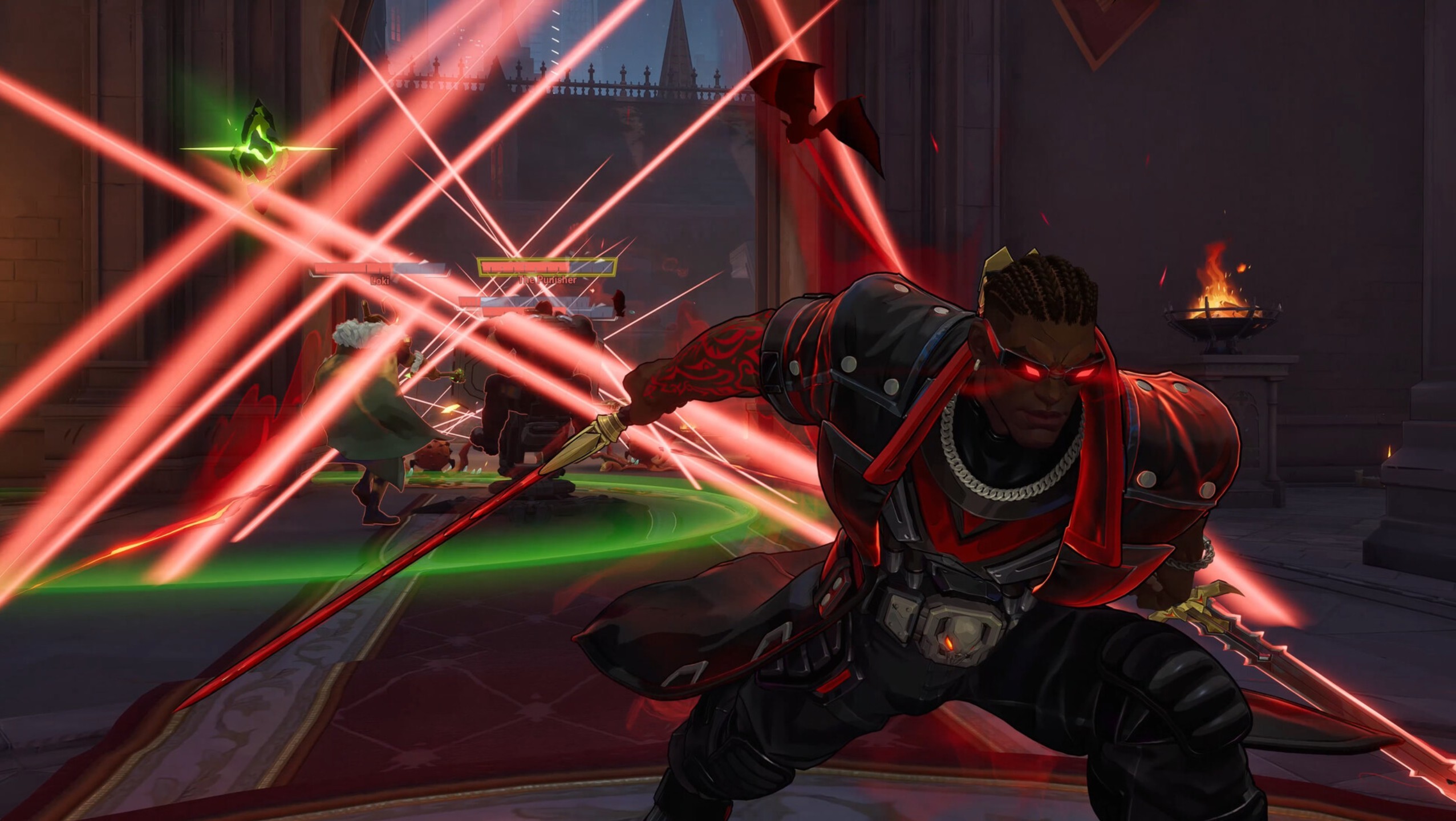
Visually, Marvel Rivals makes an immediate impression. The art direction blends stylized textures, saturated colors, and effects directly inspired by modern comics, and it’s lovely. The animations are polished and bursting with energy. Each power has a strong visual impact, and the maps are packed with destructible details that reinforce the sense of power. But this abundance sometimes becomes the game’s main flaw.
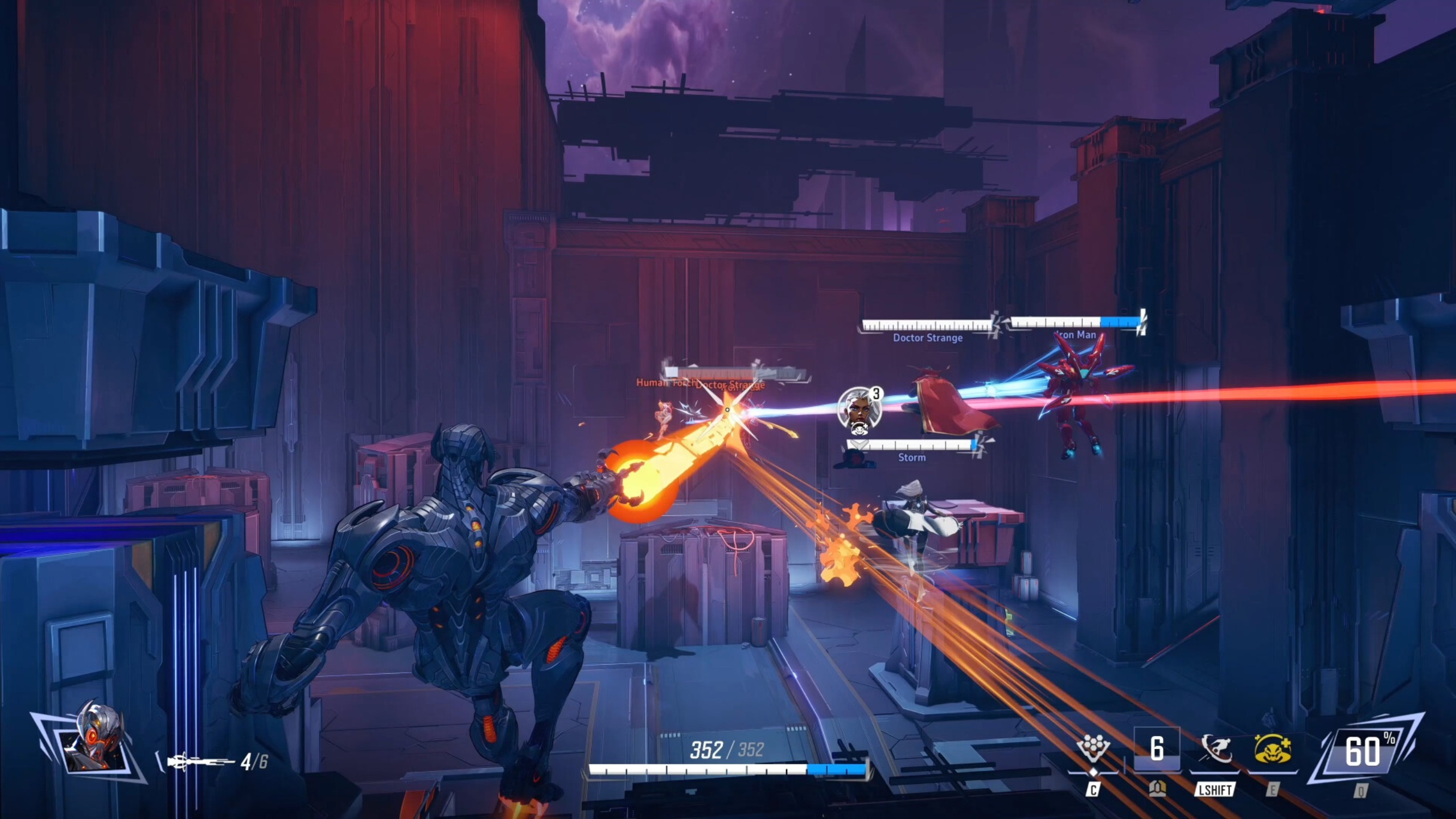
During the most intense clashes, the screen can quickly turn into a giant fireworks display where it becomes difficult to understand what’s actually happening. Between the explosions, ultimate abilities, and destructible elements, some battles feel more like an industrial accident than a strategic duel. We’re talking about the visual aspect here, but of course the audio aspect also comes into play: in certain situations, it can quickly turn into quite a chaotic mess. Don’t panic: some players will die pretty quickly in the commotion, and calm will return just as quickly as it left!
Marvel Rivals, however, fully embraces this philosophy. The game prioritizes visual and audio excess over perfect clarity. And while this may frustrate the most competitive players, this approach also contributes to its spectacular identity.
It’s very good, but not quite perfect
While Marvel Rivals has been impressive since its release, and still is today,obviously not everything is perfect. Here and there, there are small areas for improvement.
As in most PvP games, the issue of balance obviously comes into play. And this title is no exception. While it’s normal for some heroes to be particularly strong in exchange for demanding gameplay and mastery, others stand out quite significantly from the rest. That being said, the studio deploys updates regularly in order to address this issue.
Furthermore, there are plenty of game modes available, far more than at launch, though to a greater or lesser extent, they all feel pretty similar overall. We would have appreciated a slightly more laid-back 3v3 mode, for example, without having to rely on an entire squad. Also, more solo-oriented content would have been nice, such as a short campaign, special missions, or something similar.
Finally, to get back to something much more concrete, respawn points during matches are sometimes completely on the opposite side of the map from where the action is taking place, which means you sometimes spend more than 20 seconds running in a straight line just to get back onto the battlefield and get your revenge.
Tested on PC. See our rating policy here.
7.5/10
The success of Marvel Rivals doesn’t stem solely from its shooting mechanics or competitive systems. It comes from its understanding of the superhero fantasy. The game doesn’t try to make the heroes realistic or even believable. Instead, it fully embraces their personalities, their excessive power, and their spectacular nature. Right now, if you’re in the mood to spend a week playing a hero shooter, this is clearly the game to go for.
Every match feels like a massive comic-book brawl where anything can happen. In an era where many multiplayer games are becoming increasingly standardized, this ability to embrace chaos is almost refreshing. Marvel Rivals may not be the most polished hero shooter on the market, it isn’t always balanced, and can sometimes be hard to follow, but in exchange, it possesses something even rarer: personality. And in a genre saturated with safe imitations, that alone is worth a great deal.
- + Unique and well-received art style
- + True to the Marvel universe
- + Great map design and destructibility
- + Diverse hero gameplay
- + Good accessibility
- + Reasonable business model
- - Balance leaves quite to be desired
- - Lack of more laid-back game modes
- - Lack of single-player content
- - Spawn points are sometimes too far apart