Two Point Museum Review: an exhibition worth checking out
, by Enzo
After turning hospital and university management into experiences that are as accessible as they are fun, Two Point Studios is back with a new offbeat simulation: Two Point Museum. In this new installment, players are invited to take the helm of a museum network and turn it into a must-visit cultural institution. From managing collections to organizing exhibitions and keeping visitors happy, the game promises to blend strategy, creativity, and the franchise’s signature humor. But does this formula manage to breathe new life into the genre and captivate players?
Art direction true to the series
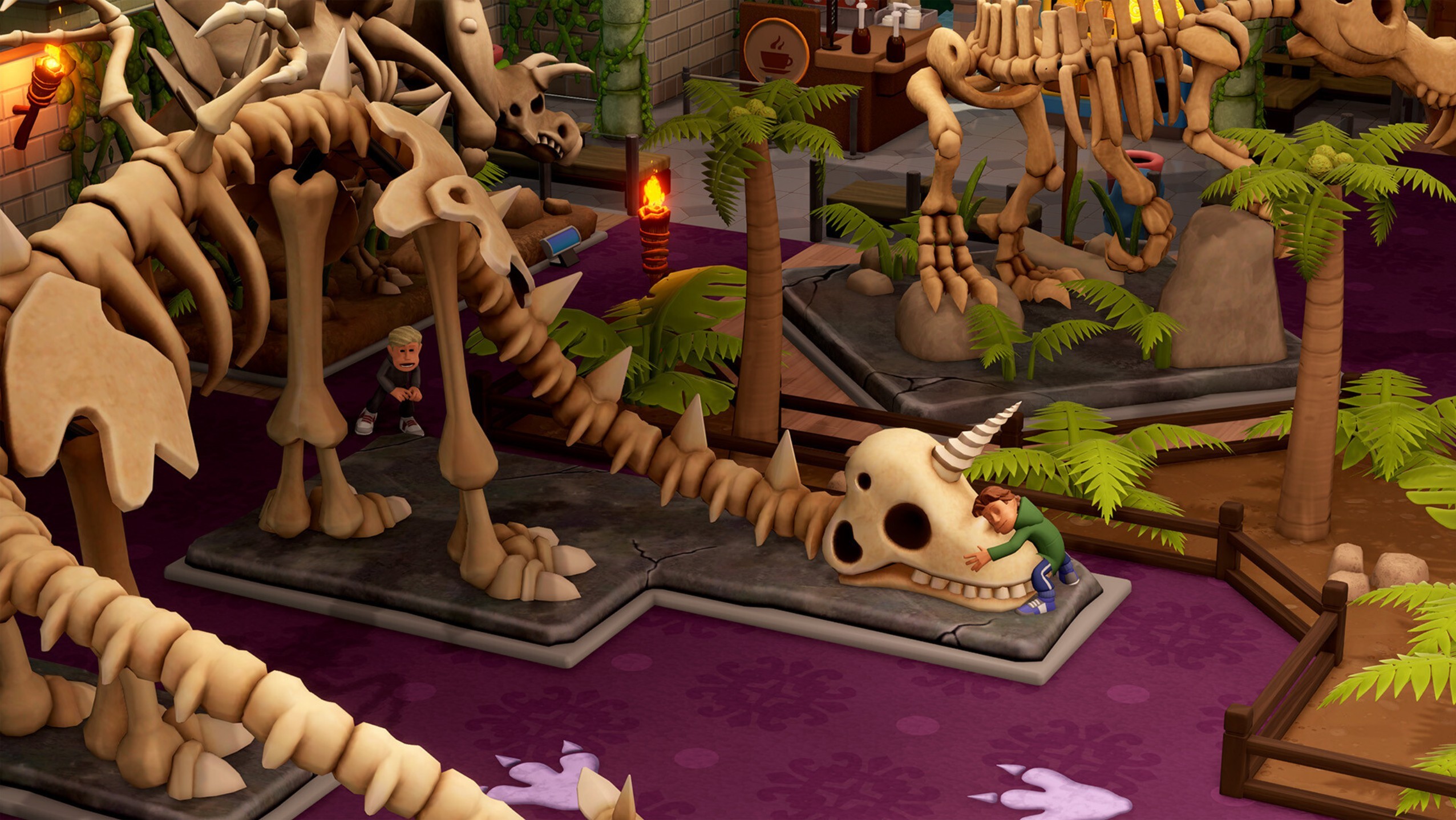
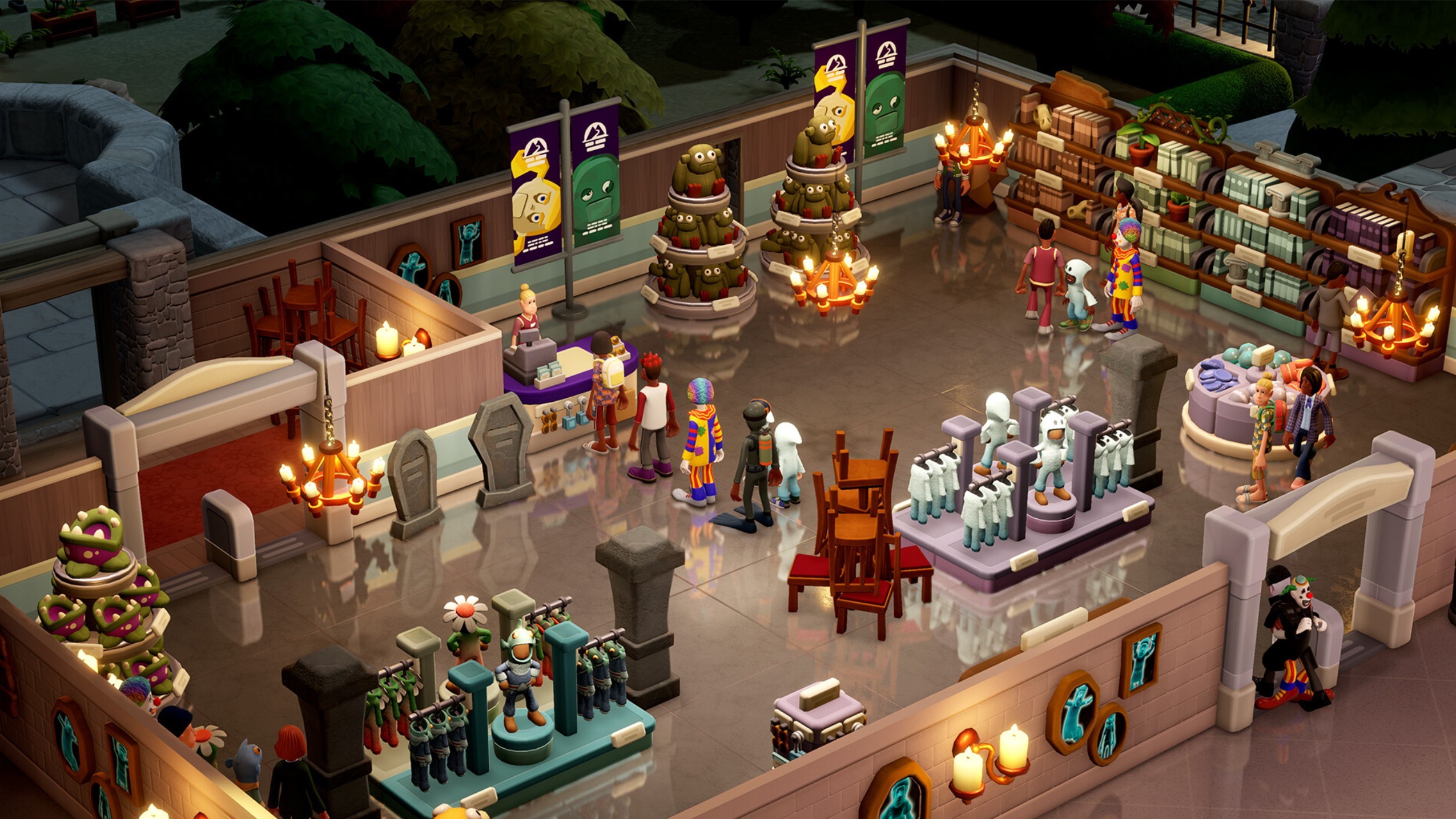
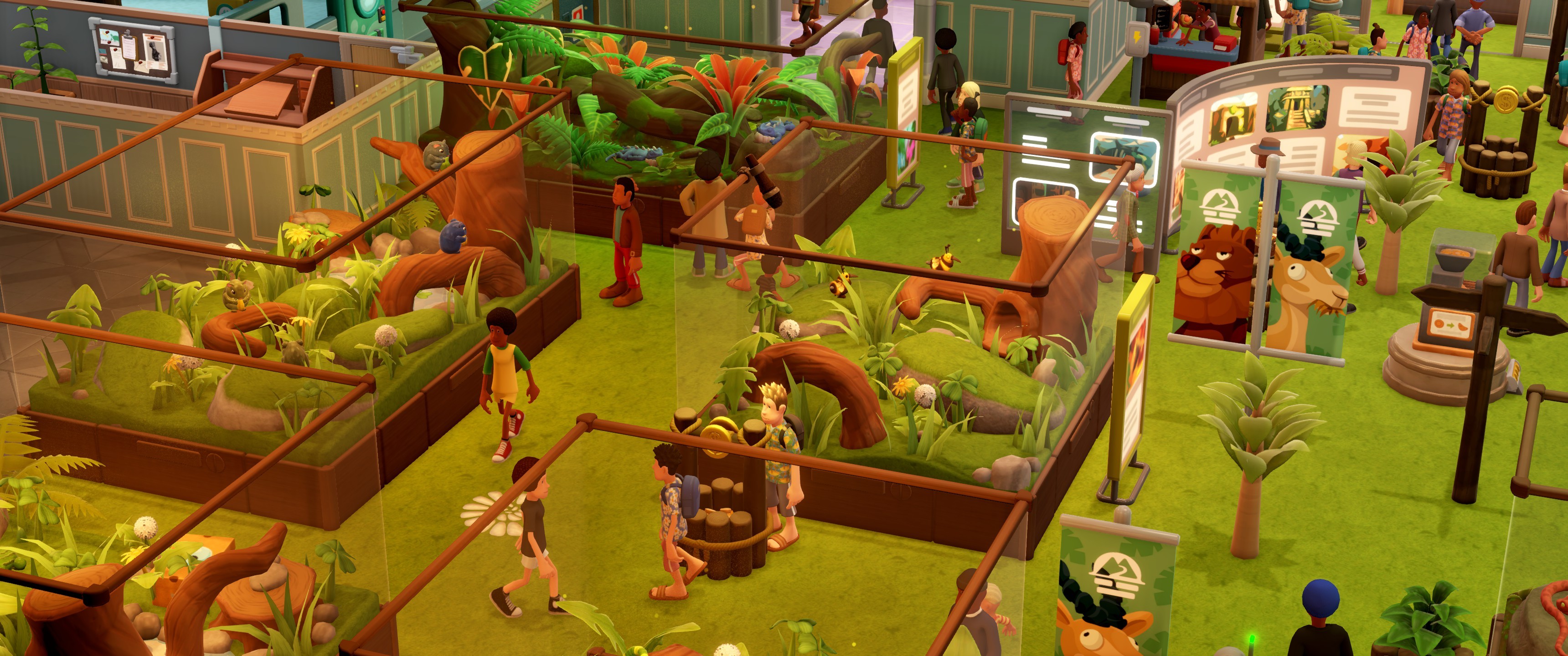
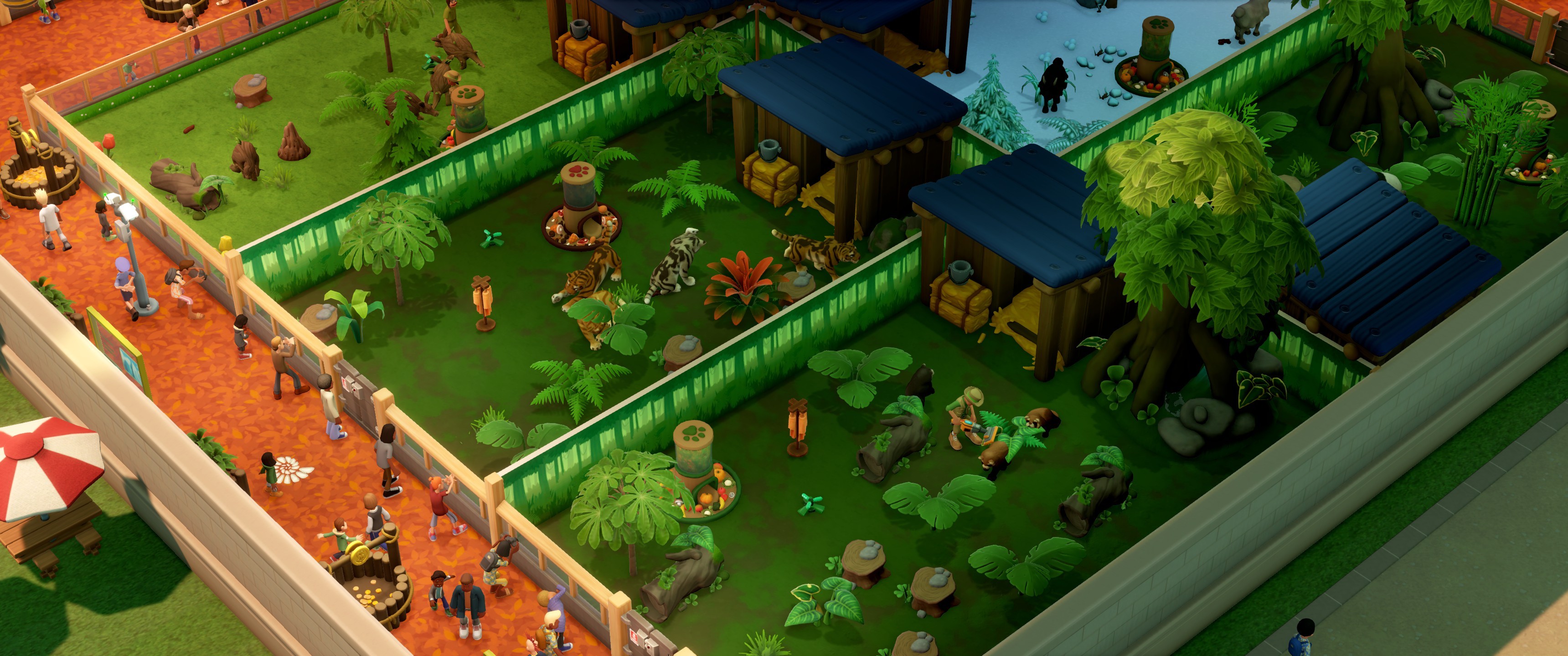
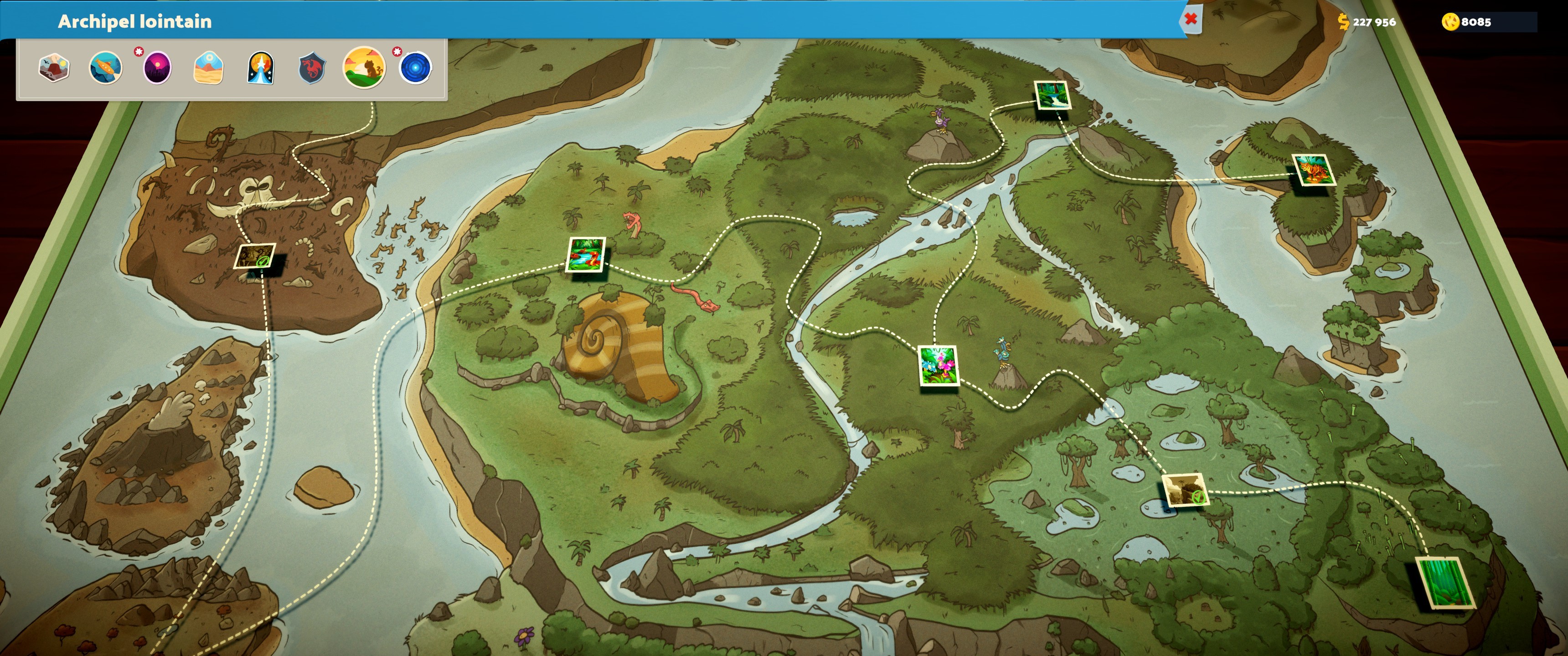
Visually, Two Point Museum adopts the franchise’s instantly recognizable cartoon style—there’s no mistaking it. The caricatured characters, lively animations, and rather absurd situations all contribute to creating a lighthearted and humorous atmosphere. The exhibits are particularly well-done, featuring a wide variety of objects and themes that make you want to explore the entire collection. Visitors interact with the exhibits, take photos, or comment on the displayed pieces, reinforcing the impression of a living, breathing museum.
This approach allows the game to make a potentially dry management activity appealing, while reinforcing the unique sense of humor that is the studio’s trademark. Whether in advertisements, item descriptions, or visitor reactions, this touch of satire adds a fun yet restrained element that is very welcome.
Gameplay: accessible, strategic, but not too challenging
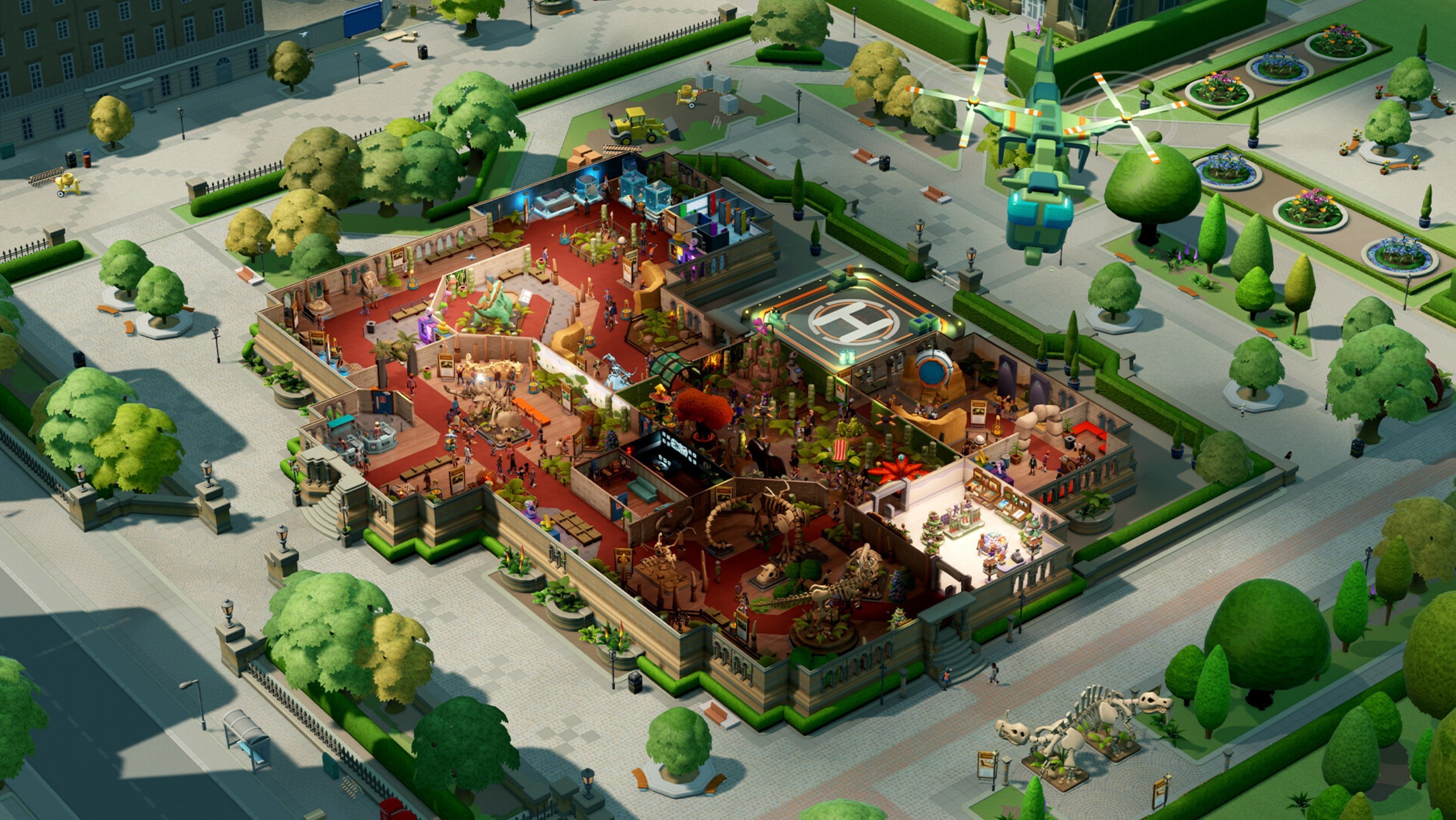
One of the game’s strengths is its accessibility. The interface is relatively clear, and the tutorials effectively guide new players through the early stages of management. It’s hard to feel lost about what to do. The menus make it easy to track finances, visitor satisfaction, and staff performance. Progress is generally smooth and avoids overwhelming the player with information.
The complexity gradually increases as the museum expands, but it remains entirely manageable—perhaps a little too much so. The few challenges that arise stem more from a lack of convenience and micromanagement of certain aspects, such as task prioritization for staff. For example, you might end up with four employees spread across the four cash registers even though there are no customers… Yet none of them will move to the food court, which is overflowing with customers. These few micromanagement missteps can sometimes lead to a slow rise to success or a period of adjustment as you try to work around these bottlenecks as best you can, which can be quite frustrating.
Content and replay value
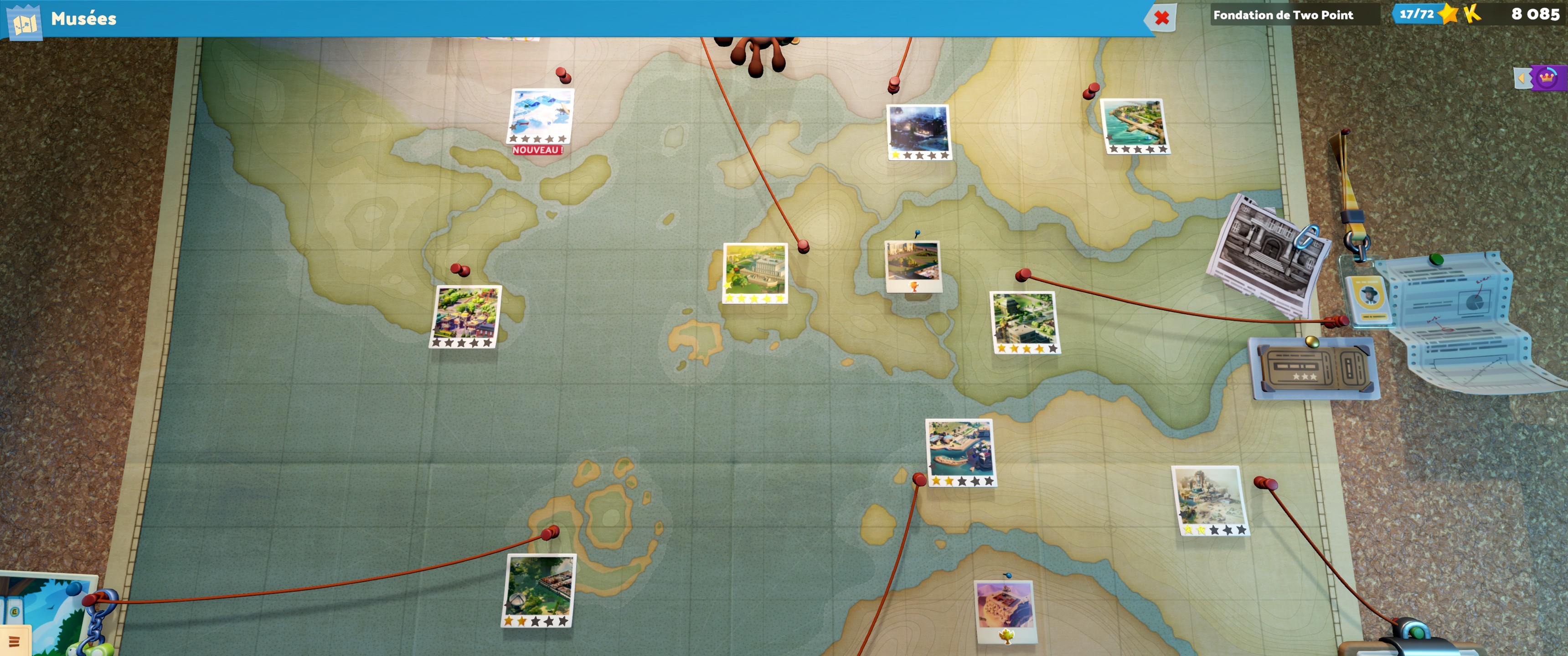
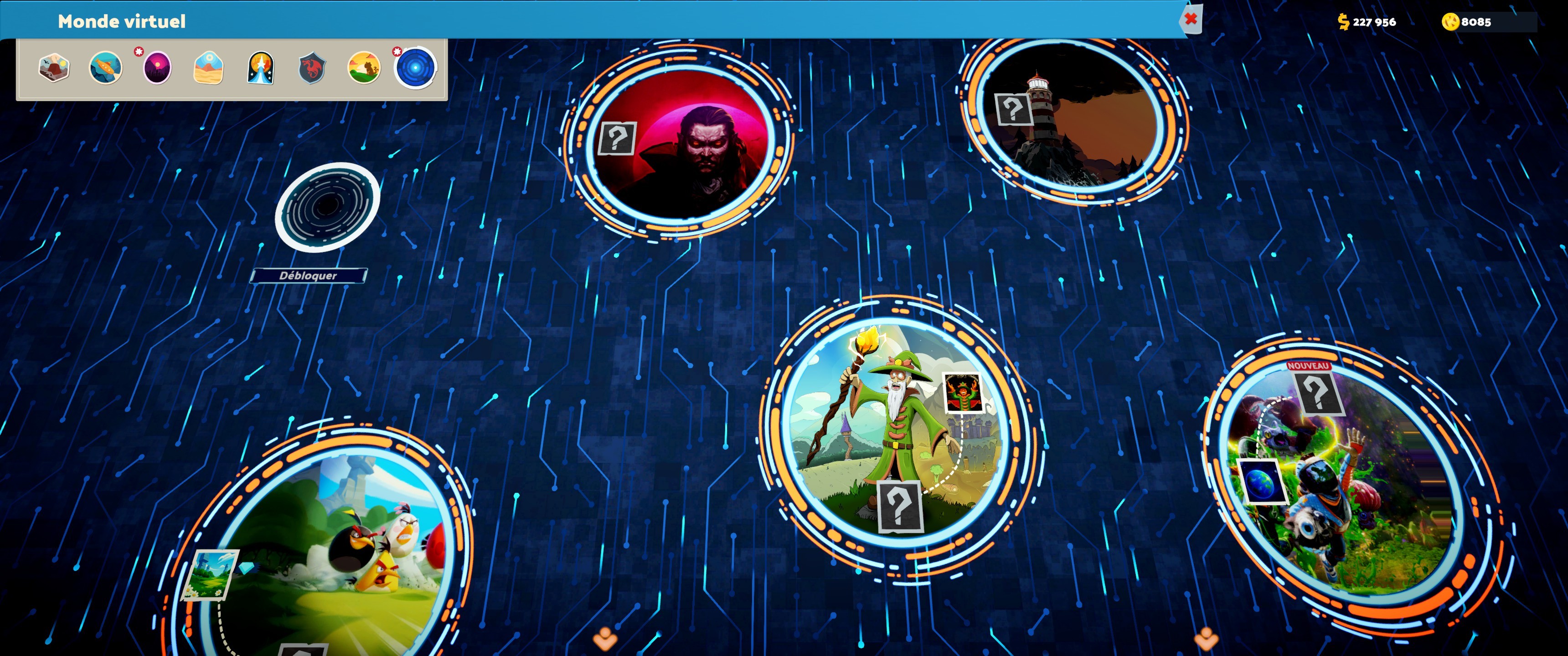
As far as content goes, it’s hard to complain. The main campaign includes five main museums, each centered around a different theme: prehistory, marine life, the supernatural, science, and space. In addition to these locations, there are three temporary museums with specific challenges, as well as a sandbox mode that lets you freely build museums without any story constraints. And that’s not even mentioning the DLCs that are already available and those yet to come.
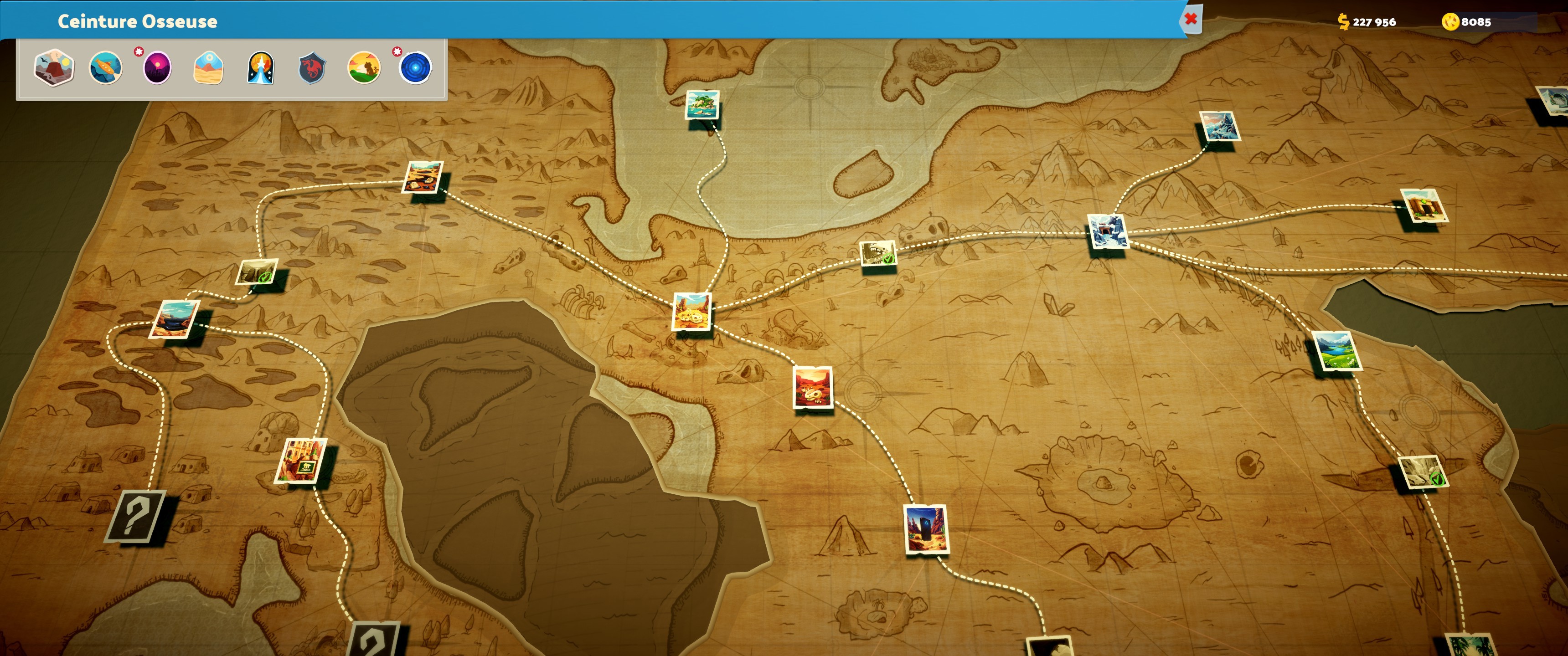
Over 200 unique exhibits, more than 350 decorative items, about ten types of visitors, and over 100 points of interest to explore through expeditions that allow you to collect new pieces for your collections. Expeditions aren’t just about frantically tapping away—they actually require a certain amount of strategy, team management, and even risk-taking. With all these elements, it takes dozens of hours of gameplay to complete a good portion of the objectives—and even more for those who want to complete everything.
Tested on PC. See our rating policy here.
7.5/10
Two Point Museum lives up to its promises. While there are a few flaws here and there, they don’t detract from the game, which offers an experience just as entertaining and fun as the previous installments. The desire to make serious settings (hospitals, universities, museums, etc.) accessible and lighthearted continues to steer Two Point Studios in a direction that works well for them, even though there isn’t really any innovation in the formula or any risk-taking. However, the lack of real challenge in the game can lead to a sense of boredom. Accessible to both fans of the genre looking for a light-hearted break and new players seeking an entry point into this category of games, the title promises to deliver an enjoyable experience.
- + Art direction that stays true to the game's universe
- + Nice content and duration
- + Reasonable price
- - A lack of micromanagement at times
- - Pace can be a bit slow at times
- - Optimization isn't always top-notch