Dying Light The Beast Review: a return that lacks a bit of bite
, by Enzo
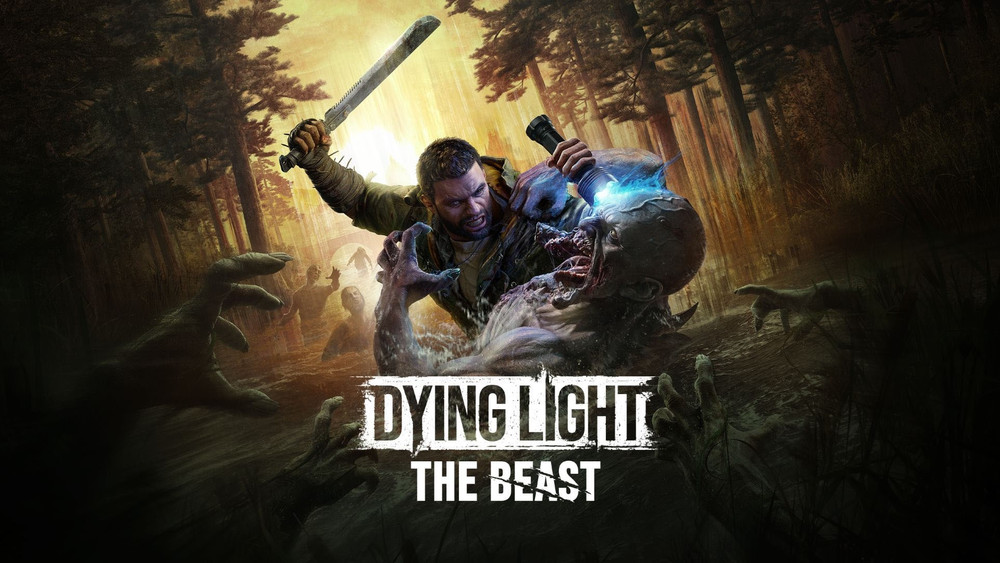
Dying Light: The Beast reopens the doors to a world that fans of parkour and survival horror know well, but from a darker and more visceral perspective than ever before. It is the third installment in the franchise of the same name, though it is released as a standalone title.
Designed as a return to the franchise’s roots while pushing brutality and tension to new heights, this new installment highlights a more bestial approach to survival, where man and monster seem closer than ever. Between oppressive nights, hand-to-hand combat, and an open world still infested with zombies, developer Techland makes its intentions clear. But does this initiative succeed in revitalizing the formula while preserving what made the series a success?
Narrative and direction
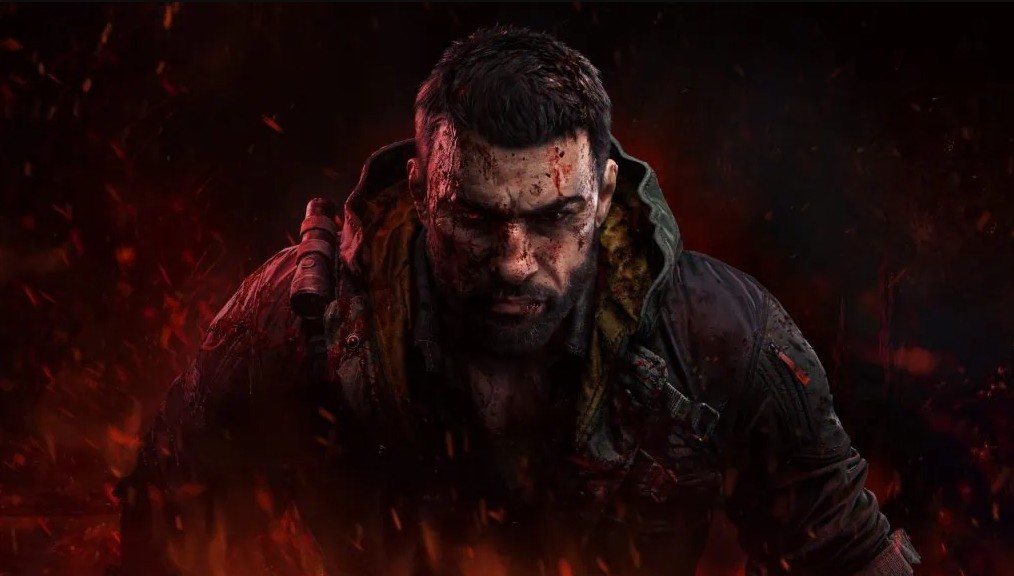
Right from the start, Dying Light: The Beast plunges us into the midst of our escape from the laboratory, where we were a test subject. It’s grim and bloody, to say the least. We quickly get a feel for the game’s early mechanics. Neither too long nor too short, this opening effectively sets the stage for this new installment through the character who will become our partner.
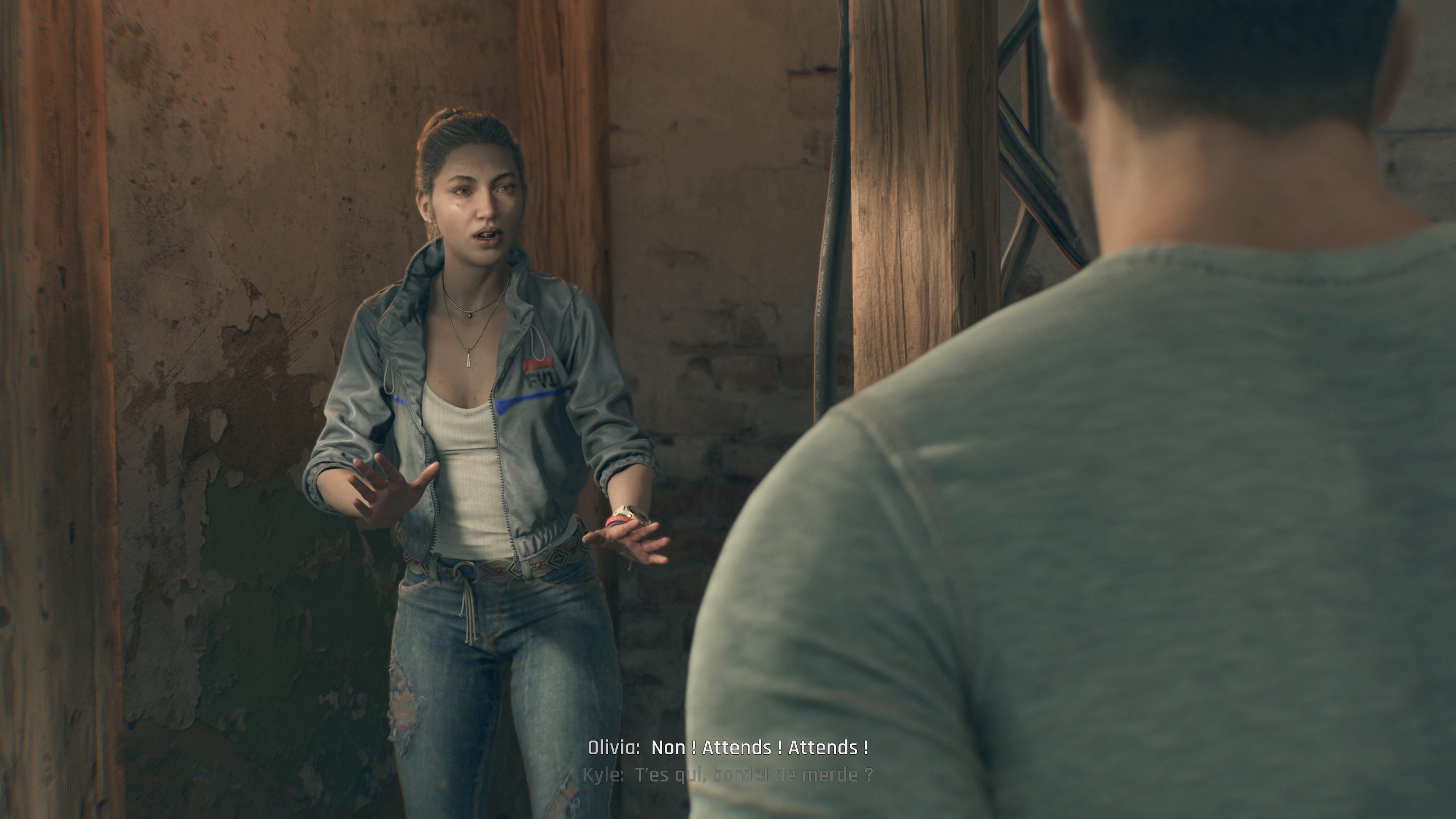
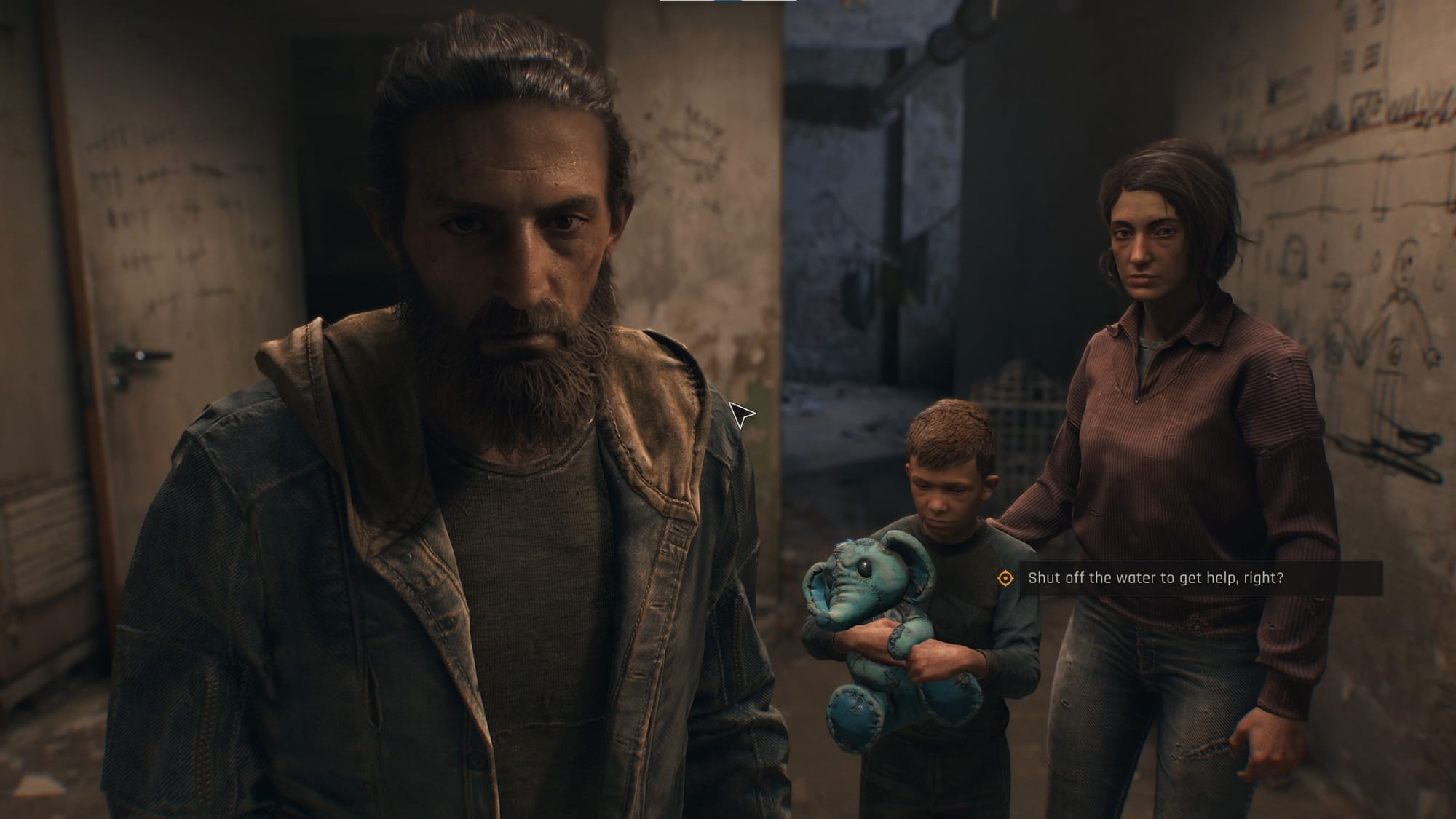
Storytelling plays a role throughout the adventure; while it isn’t spectacular, it’s quickly pushed into the background. In co-op mode, in addition to coordinating progress, you can even suggest the dialogue choices you’d like to make when you’re not the host of the session. On the other hand, the cutscenes, voice acting, and face-to-face conversations with characters are very well done. They feature impressive lip-syncing, which makes the immersion even better.
Atmosphere
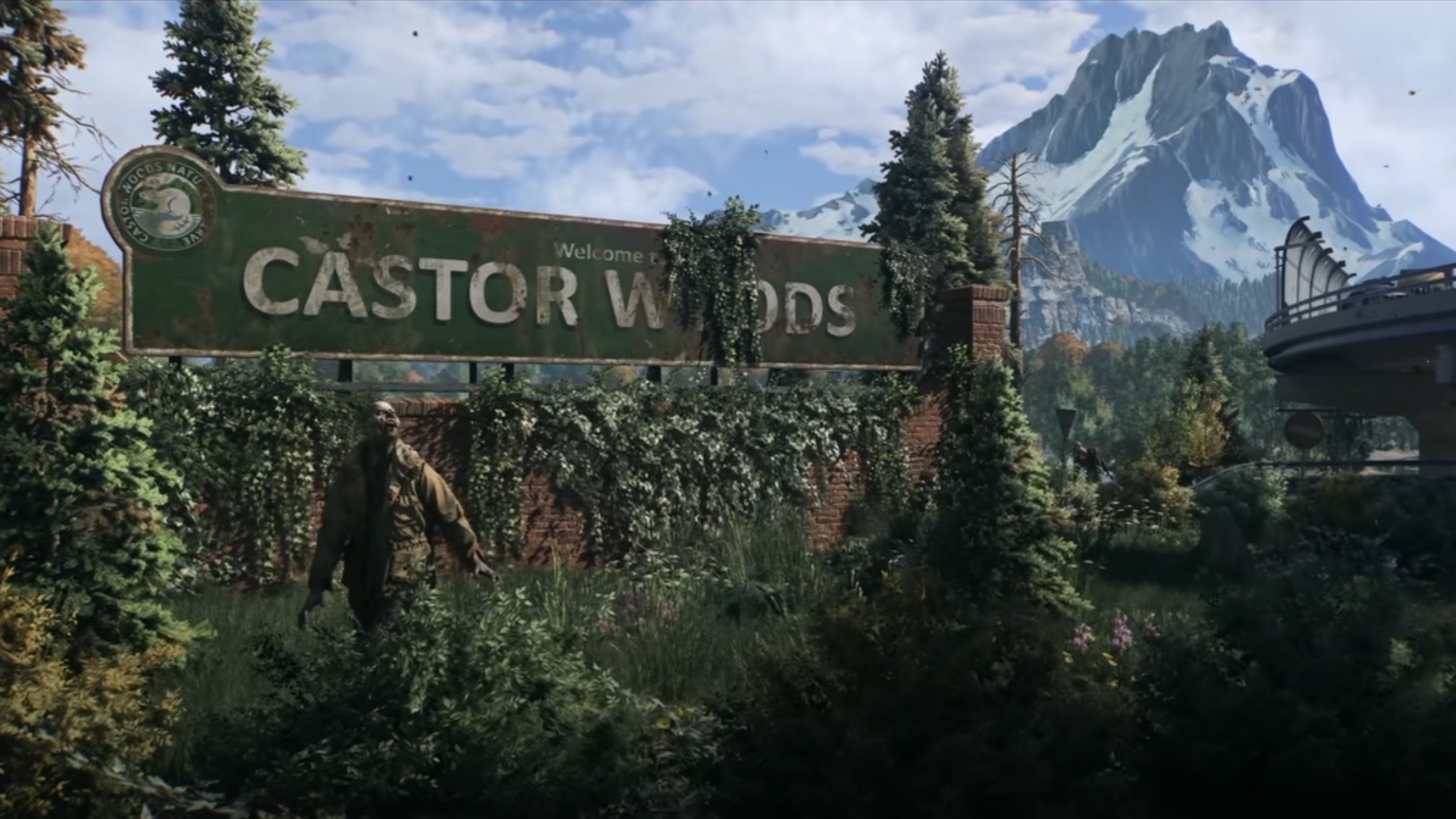
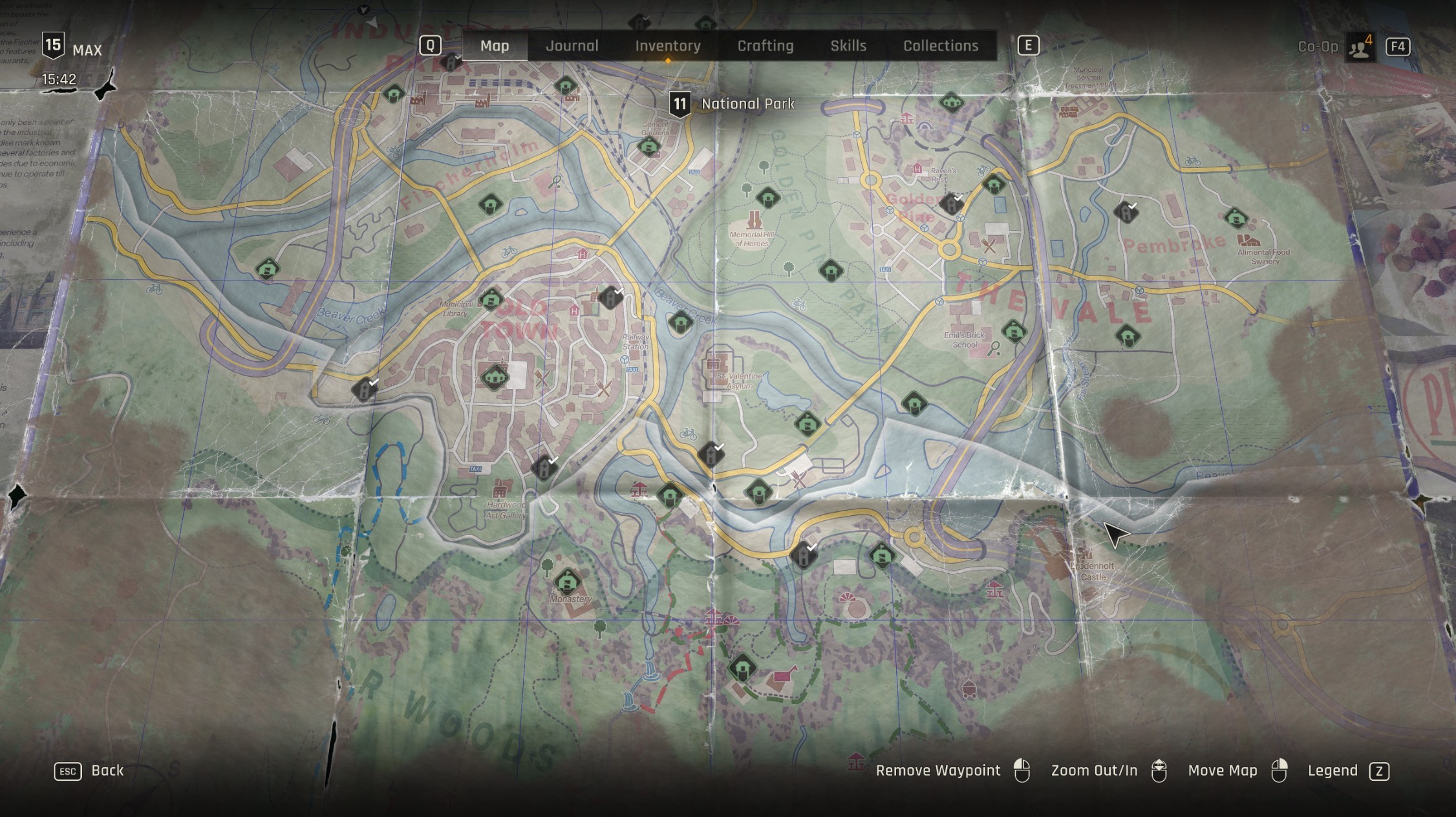
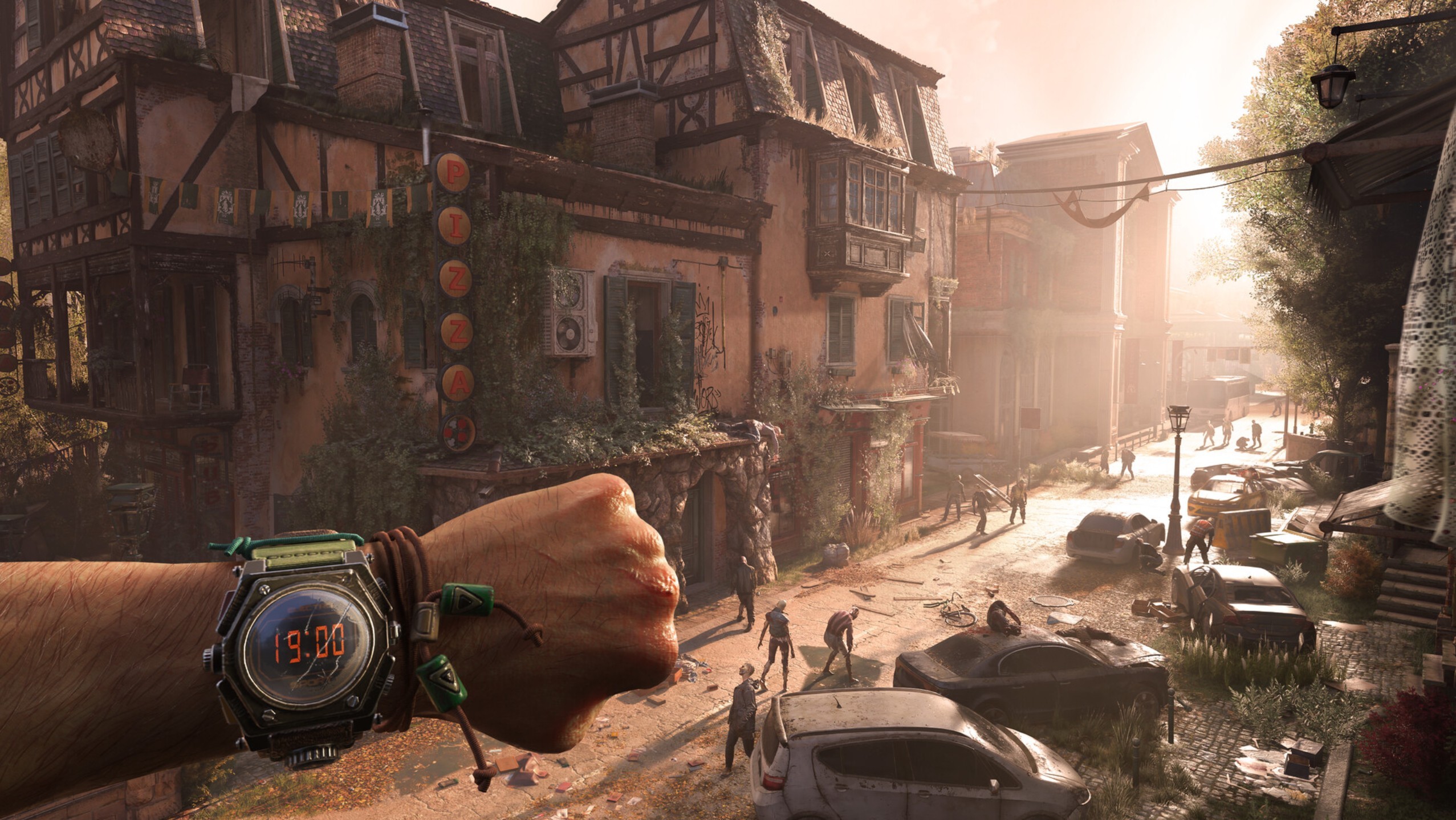
The moment you leave this lab for the big city of Castor Woods—whose map fits on a tourist brochure—there’s no doubt about it: you’re definitely in Dying Light and its unique atmosphere. The environment is realistic, bustling, and alive (despite all the dead bodies). The buildings are varied, ranging from shops to factories to stations… The lighting, weather effects, and sound design all play a major role in creating immersion. You feel a real sense of constant danger, which fits the concept perfectly.
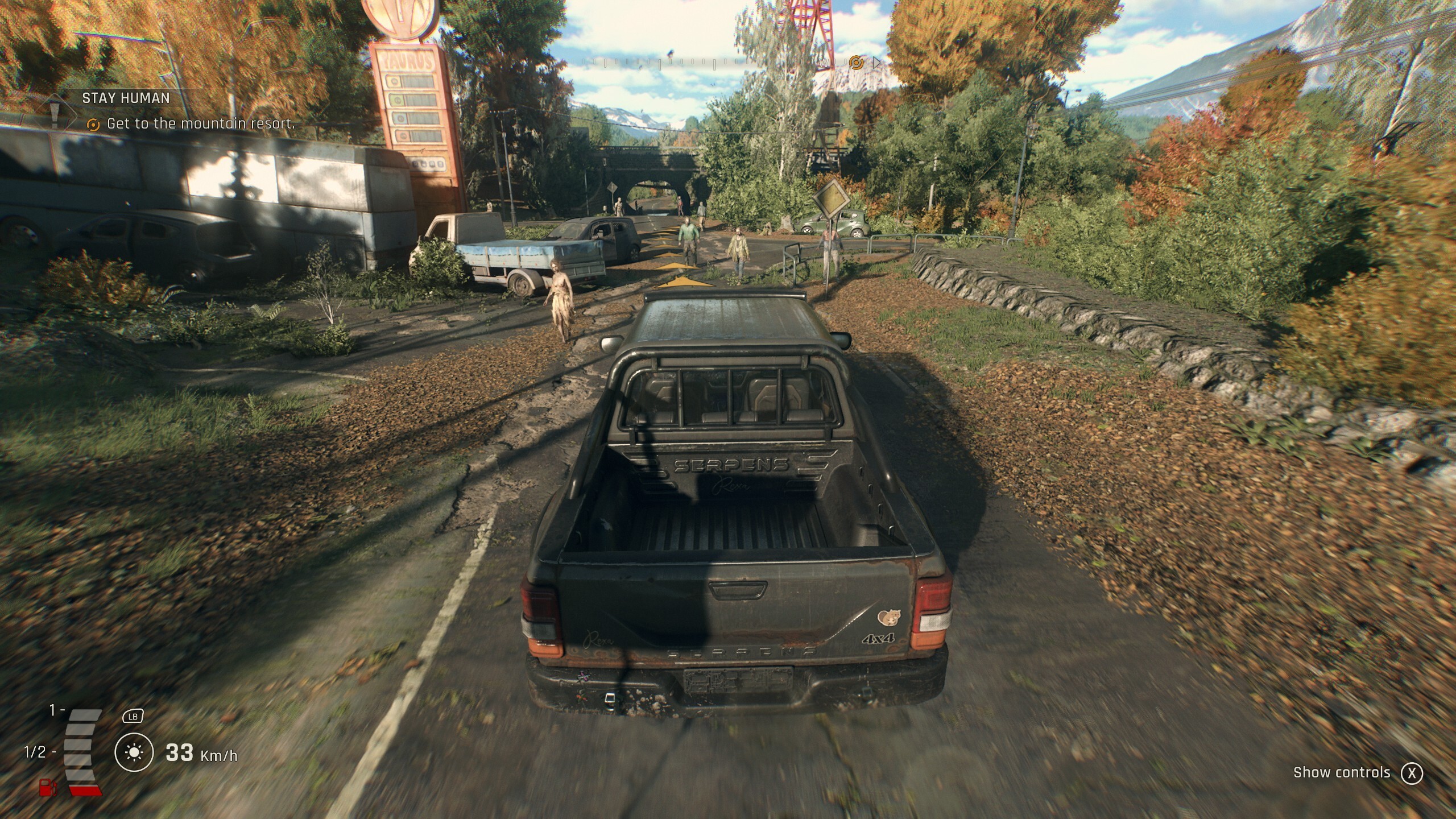
The city is medium-sized and features a few hills here and there. Compared to the franchise’s latest entry, Dying Light 2, the sensation of vertigo is much less pronounced. There’s a bit of a lack of vertical climbing, where you don’t dare look down as much. While this absence of high points doesn’t feel out of place at first, it can become noticeable as the game progresses. Nevertheless, the small residential neighborhoods beyond the rural forests are enjoyable and offer a refreshing change of pace from the cityscapes of Castor Woods.
Gameplay: Combat & Parkour
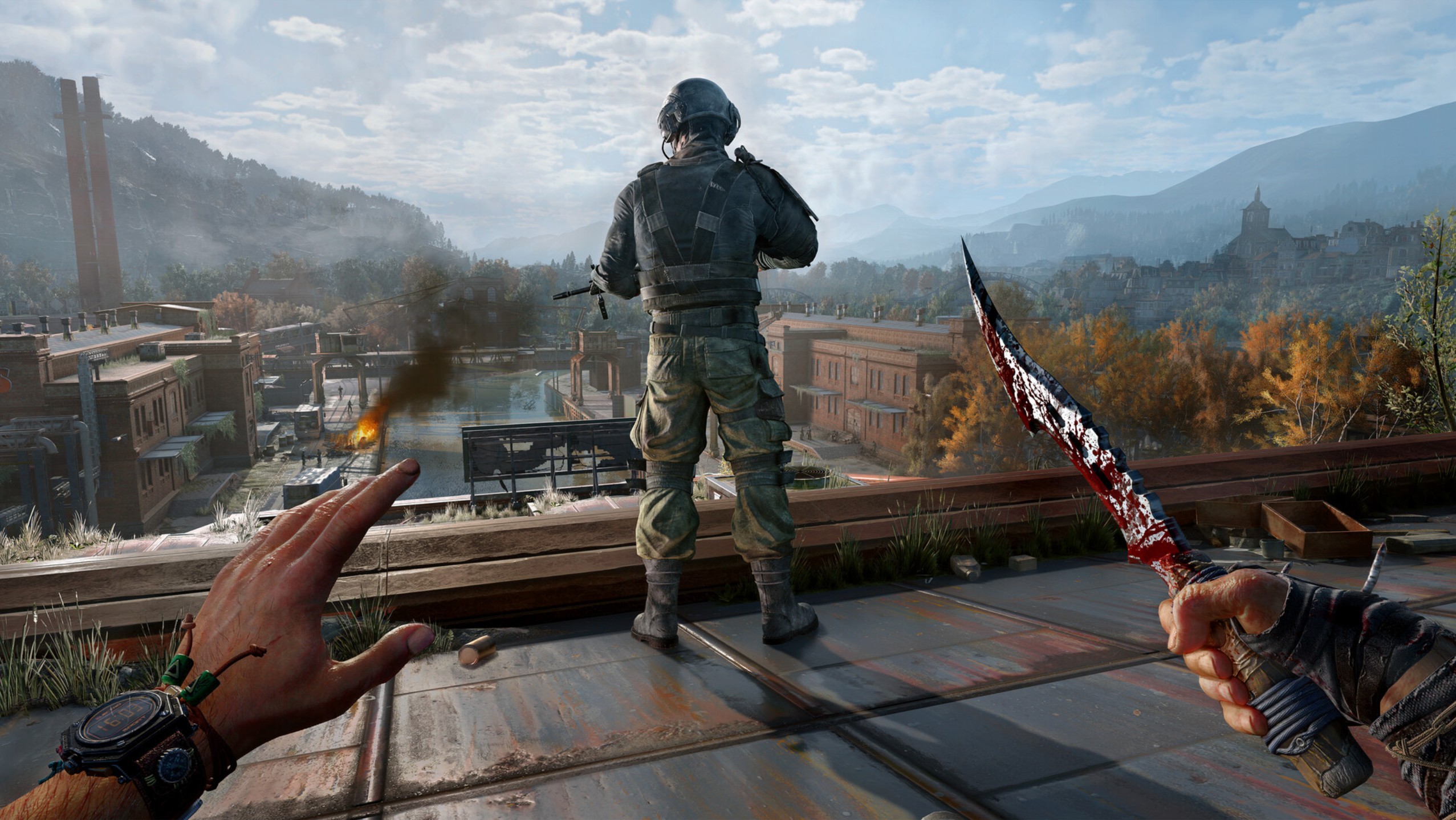
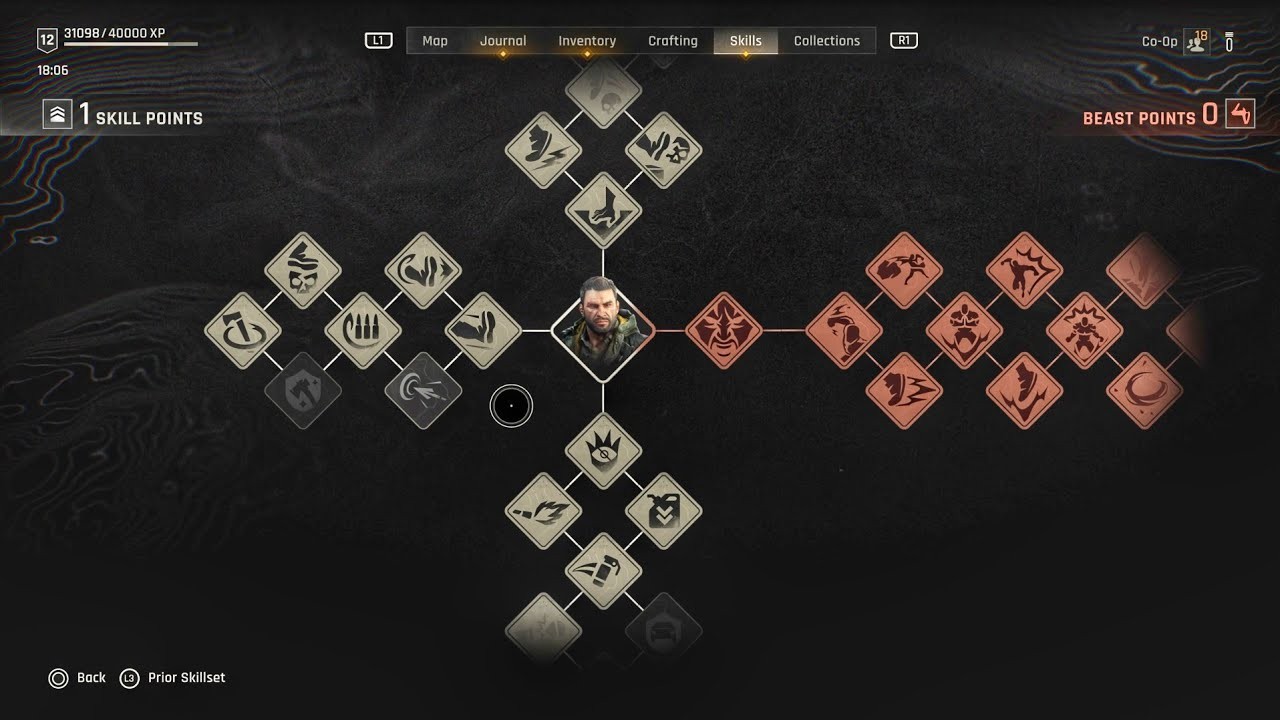
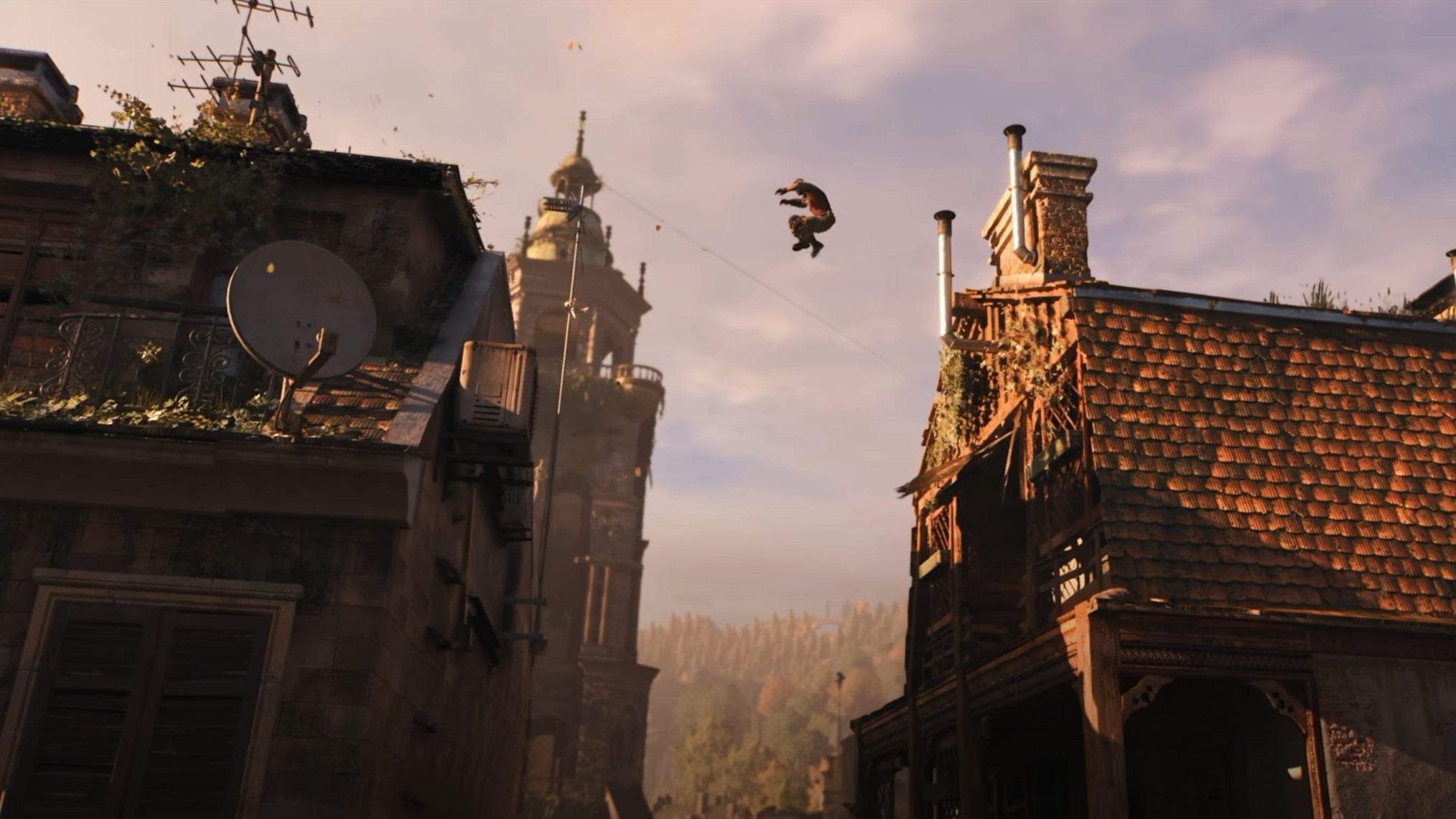
If there are two words that define the Dying Light franchise, they are « Combat » and « Parkour ». For once, these two elements feature prominently in this new installment. However, the skill tree for these two aspects seems less extensive and varied in this title. The lack of height makes parkour less impactful and less thrilling. In this regard, we miss the many buildings from the previous installment, which allowed players to jump from rooftop to rooftop. The grappling hook features some interesting physics—though they can be a bit unpredictable at times—and allows you to overcome difficult obstacles on occasion.
As for combat, there are no major changes to note. Some bosses aren’t particularly interesting and are more like HP bags-heavy targets that take a long time to kill, which can make certain encounters discouraging. The available gadgets, such as the UV lamp, are relatively useless, and it’s possible to complete the entire game without really making use of them. Furthermore, the alleys of Castor Woods—which are more enclosed than those of Villedor in Dying Light 2—feel more cramped and give zombies more opportunities to catch us regularly—too regularly.
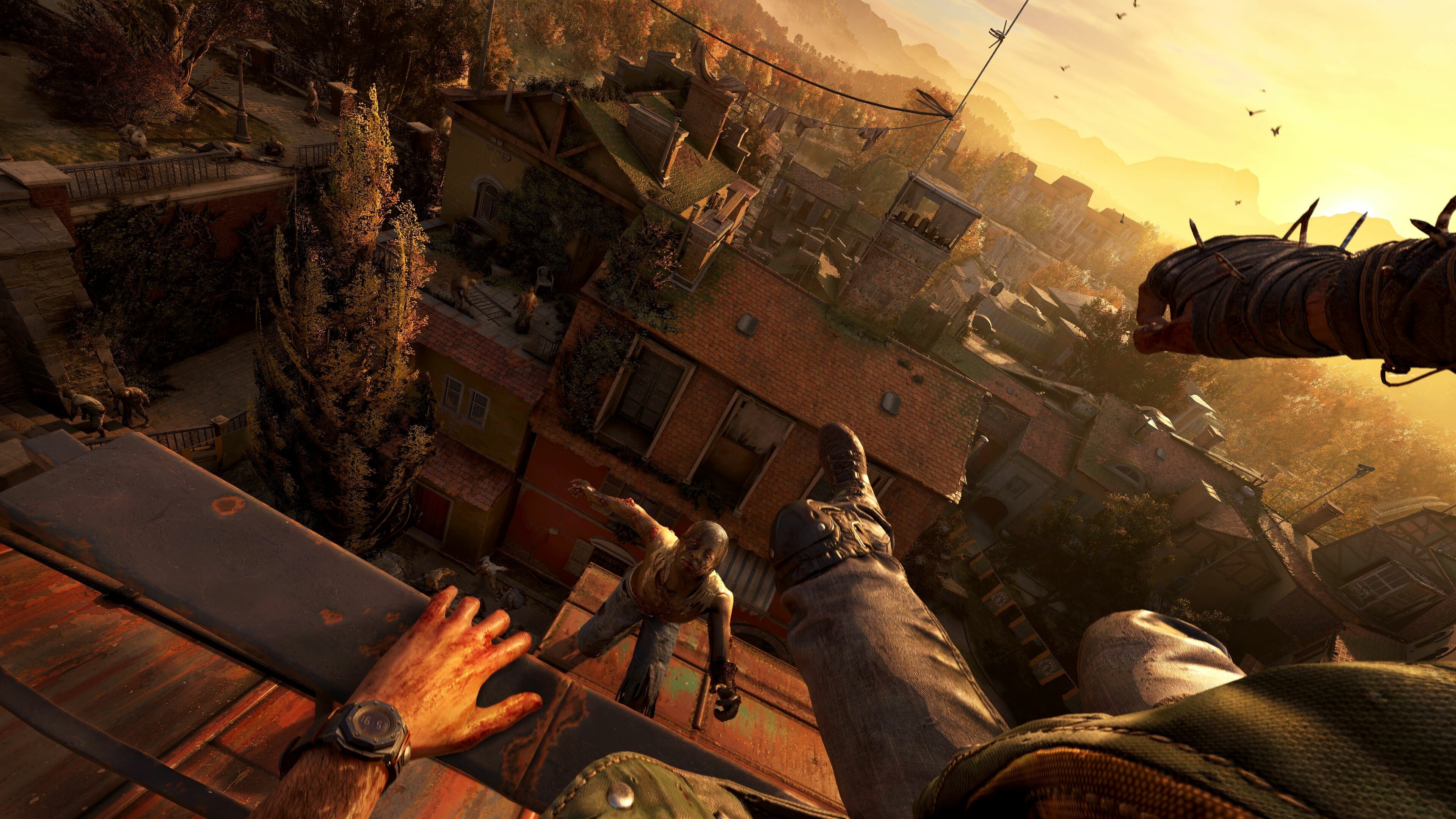
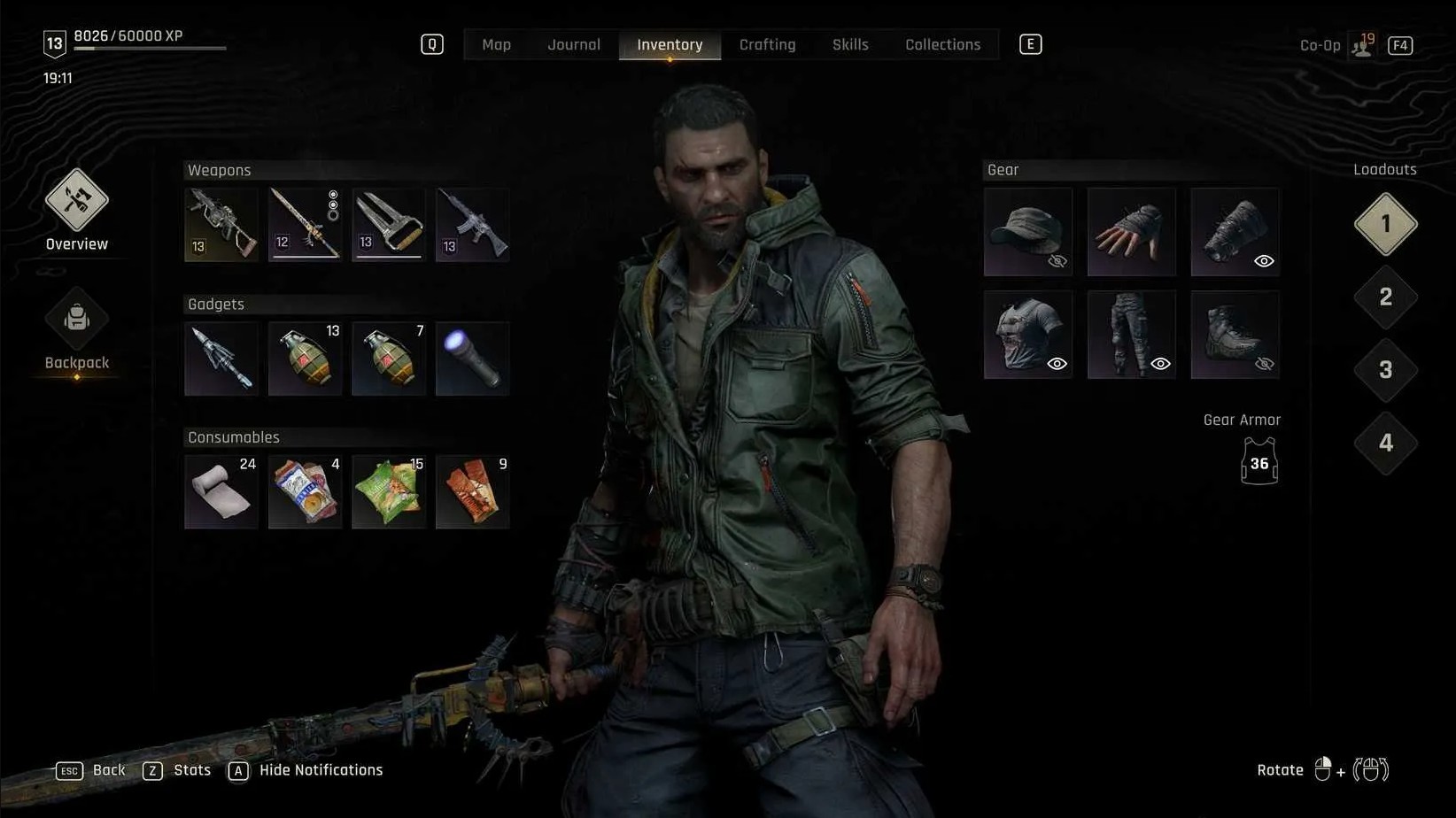
There are plenty of main and side quests to tackle—they’re fairly varied, though they can get a bit tedious as the adventure progresses. As for the inventory, you have unlimited capacity for resources, which is a nice touch. On the other hand, the equipment falls a bit short: the armor system is fairly trivial, with bonuses ranging from +3 at the start of the game to +7 by the end. Crafting is intuitive but unnecessary due to the abundance of weapons you’ll already be looting. Ammo is scarce, making firearms fairly unnecessary.
Content & day/night
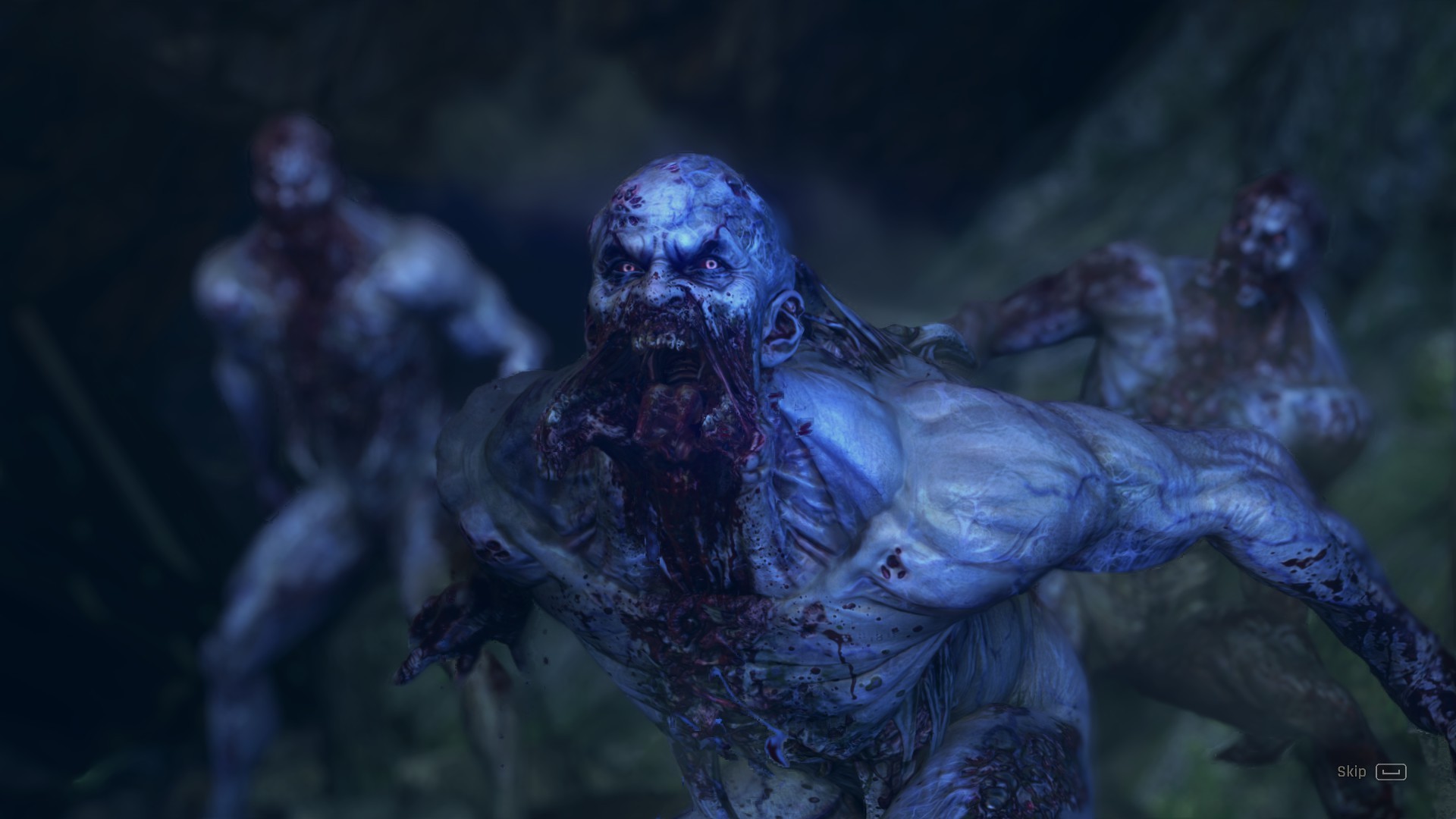
Unsurprisingly, day and night cycles are part of the experience in Dying Light: The Beast. At night, the tension rises a notch, the creatures become unpredictable, and every sound can trigger a chase.
These moments of pure stress are clearly among the game’s most intense experiences, especially when you’re improvising a desperate escape from rooftop to rooftop. However… the benefits of nighttime are largely mediocre, and we played almost the entire game without ever having to face it.
Tested on PC. See our rating policy here.
7/10
In conclusion, Dying Light: The Beast is far from a bad game, but it doesn’t offer anything exceptional either. It delivers on its promise of a darker, more visceral experience, but that alone isn’t enough to keep players engaged over the long term. This installment lacks a deeper, more emotional narrative to keep players on their toes and invested in the adventure. Additionally, crucial moral choices—like those featured in the previous game in the series—would have been welcome.
Fun to play, relatively well-polished… Dying Light: The Beast lacks any real addictive quality. The game’s initial excitement fades fairly quickly: after about ten hours of play, you’ve actually already explored a good portion of it, and the skill tree is already well-filled. At times, you’ll even have to push yourself a bit to stay engaged with the game. Thus, while this new installment brings a refreshing perspective to the franchise, it doesn’t seem solid enough to rival its predecessors.
- + Engaging storytelling and immersion
- + Parkour is generally smooth and satisfying
- + Very beautiful environments
- + Gory and visceral
- - Too many weapons, too much loot, too easy
- - Unbalanced at times
- - A few minor bugs, especially in co-op