Pokémon Champions Review: a long-awaited victory
, by Enzo
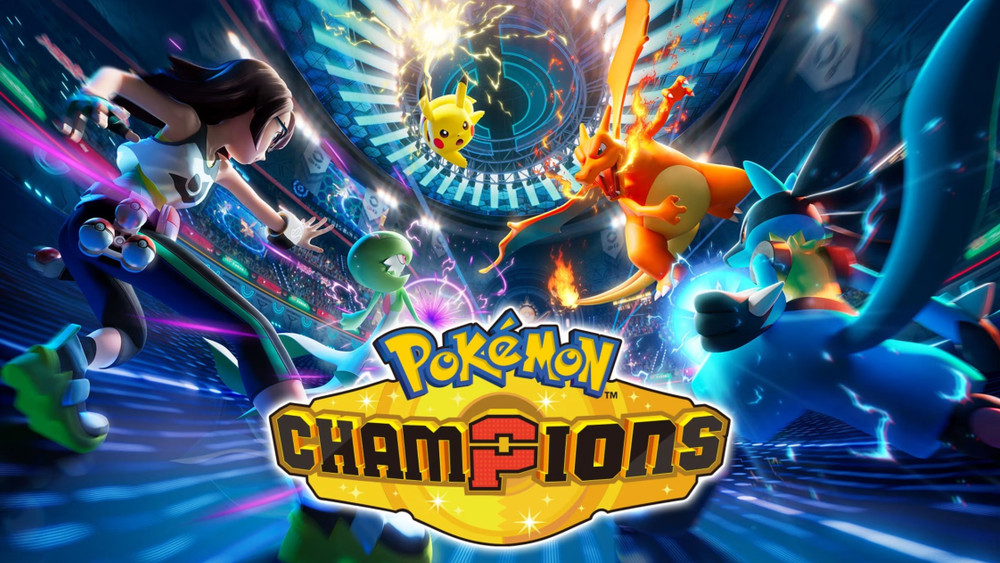
“Not as good as Pokémon Stadium 2.” Just released on Nintendo Switch and Nintendo Switch 2, this is already something we’re hearing regularly about Pokémon Champions. After numerous entries and spin-offs in the franchise exploring a wide range of concepts—from the life simulation of Pokopia to Mystery Dungeons and photography in Pokémon Snap—it was time for the company to make its mark once again in the realm of competition and multiplayer. This title, centered on Pokémon battles, promised to highlight the series’ mechanics to deliver a rich gaming experience. This time around, has The Pokémon Company delivered on its promises, or are they just empty ones?
Concept-wise, it’s all shine!
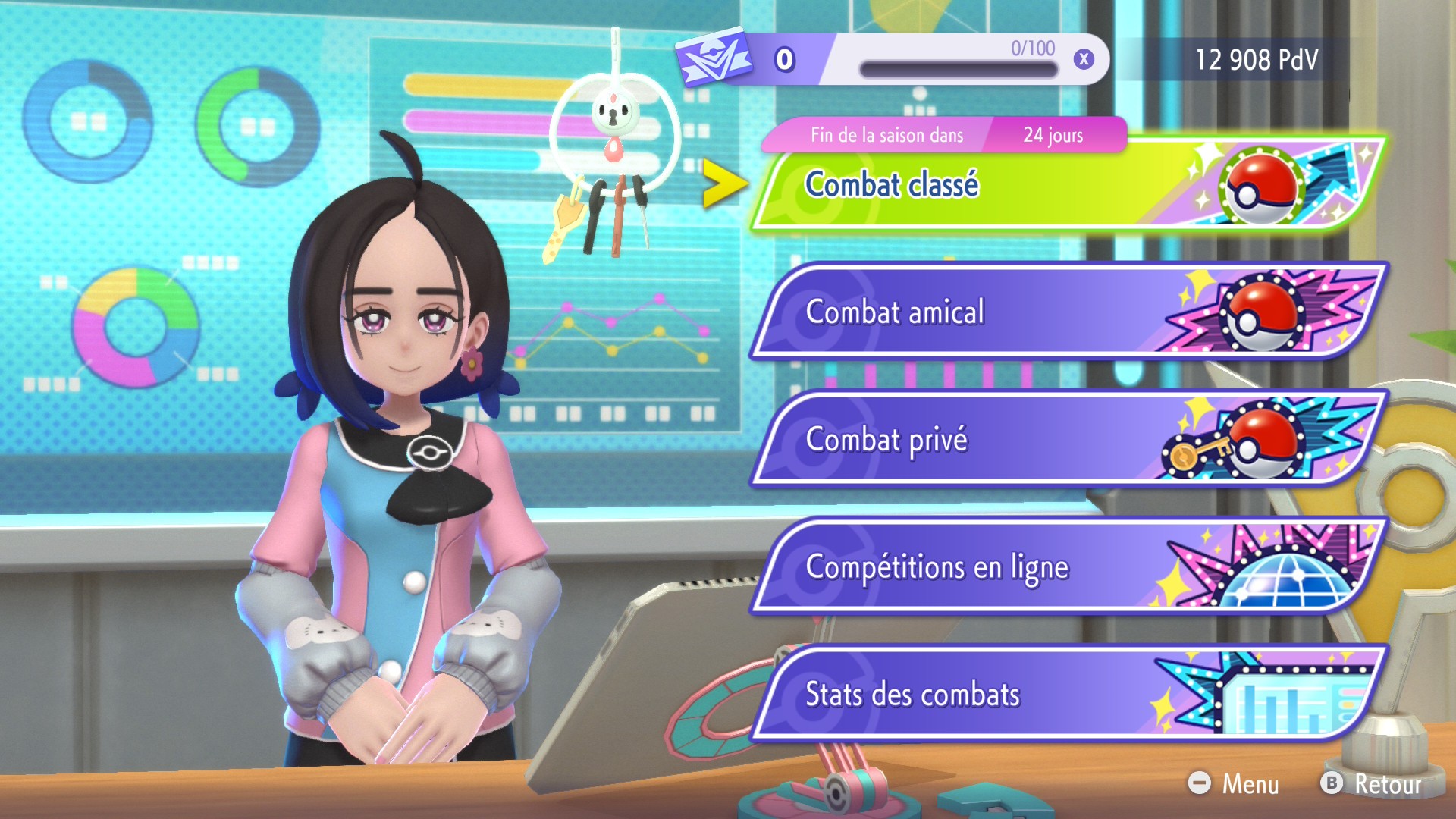
Pokémon Champions is essentially a competitive platform where players face off online or solo in turn-based singles or double battles, leveraging the series’ iconic mechanics—such as types, moves, and abilities—to devise complex strategies. It’s designed to place a strong emphasis on esports and multiplayer battles, featuring ranked, friendly, and private modes, as well as official tournaments intended to replace traditional competitive formats.
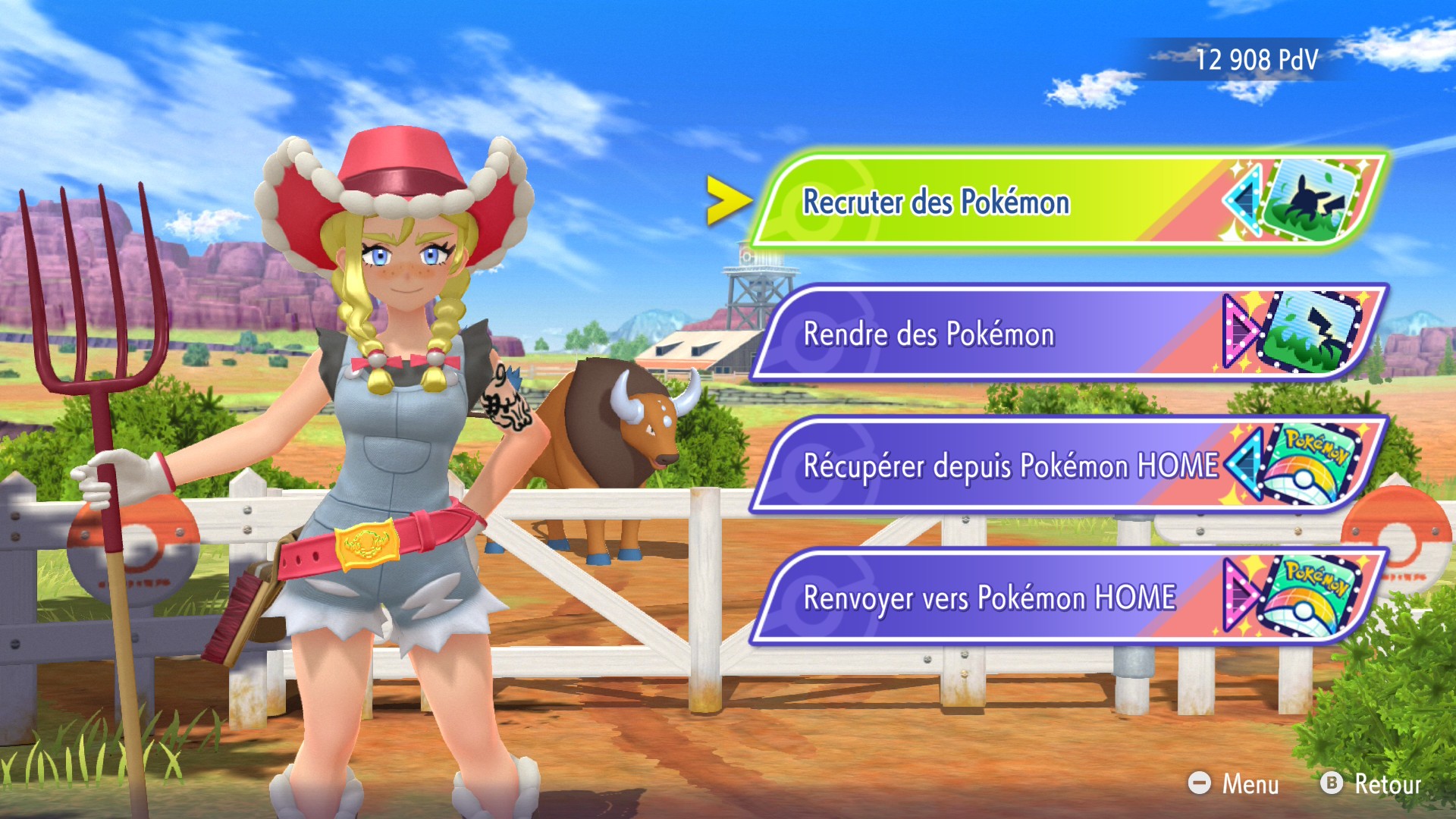
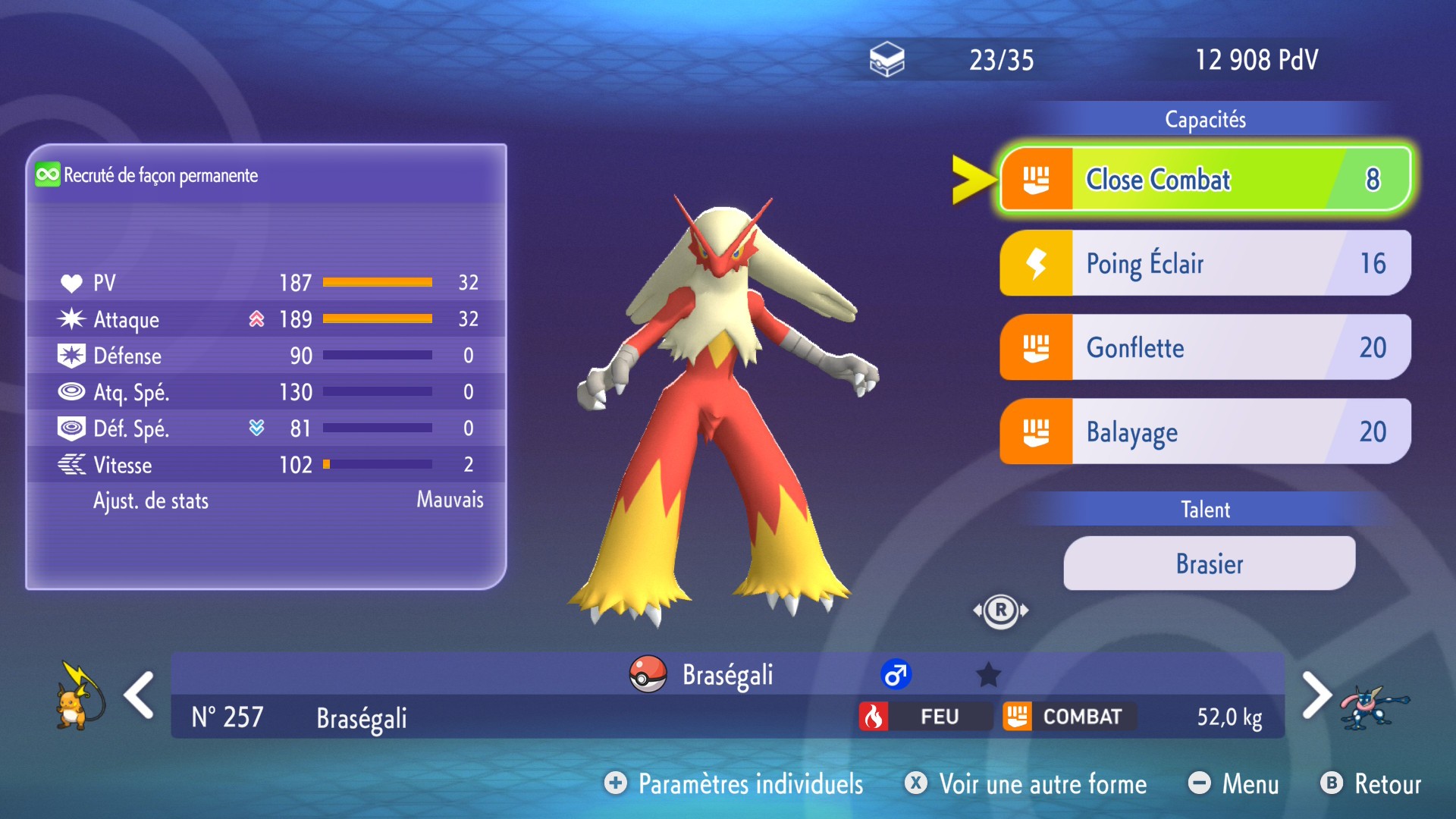
Various systems shape the experience to make it as comprehensive as possible. Beyond the different combat mechanics—such as the iconic Mega Evolutions—there are several other aspects to consider. Recruiting Pokémon forms the foundation of the game: instead of capturing creatures in the wild as in classic RPGs, players access a selection of Pokémon through a dedicated interface.
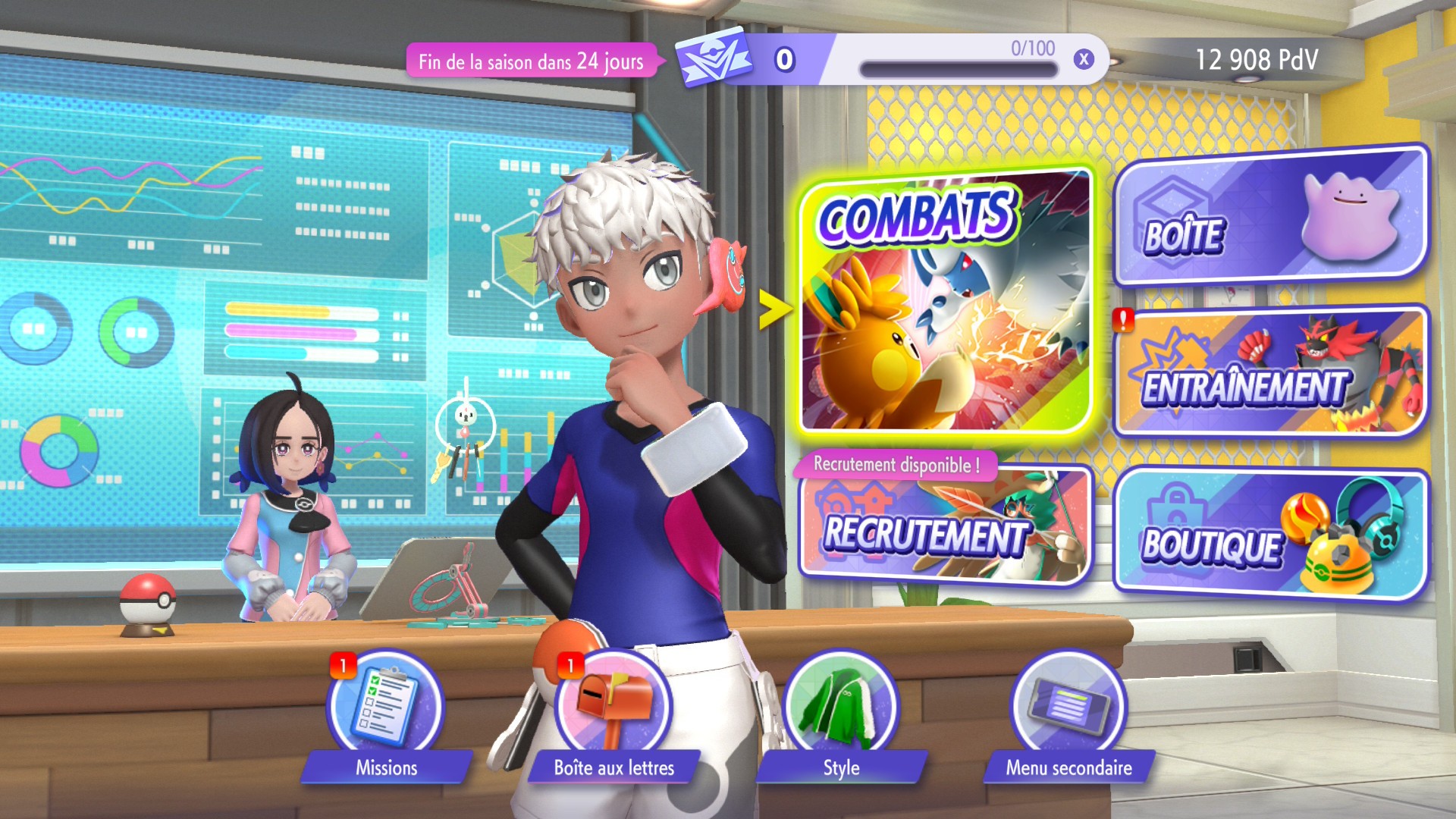
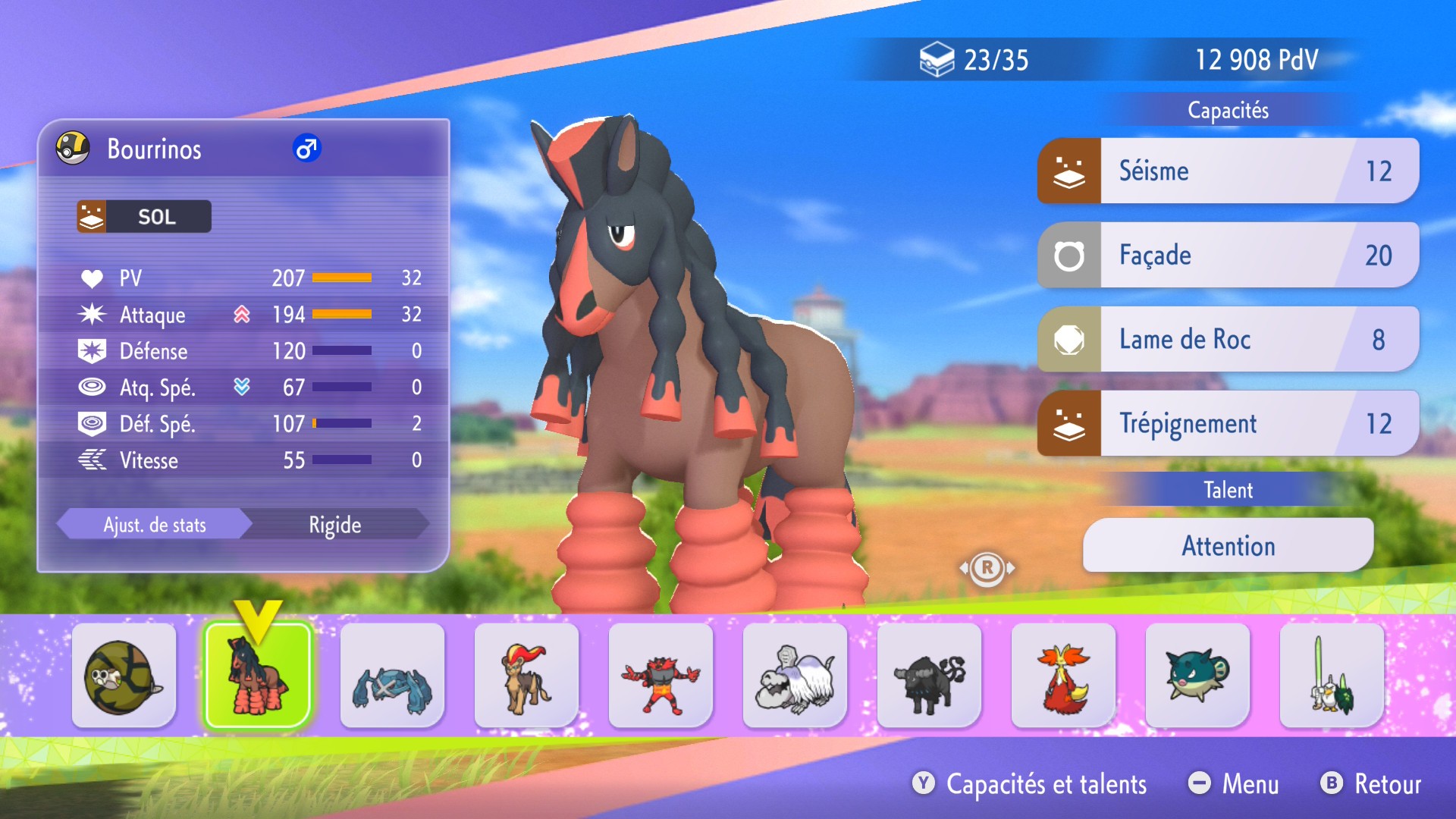
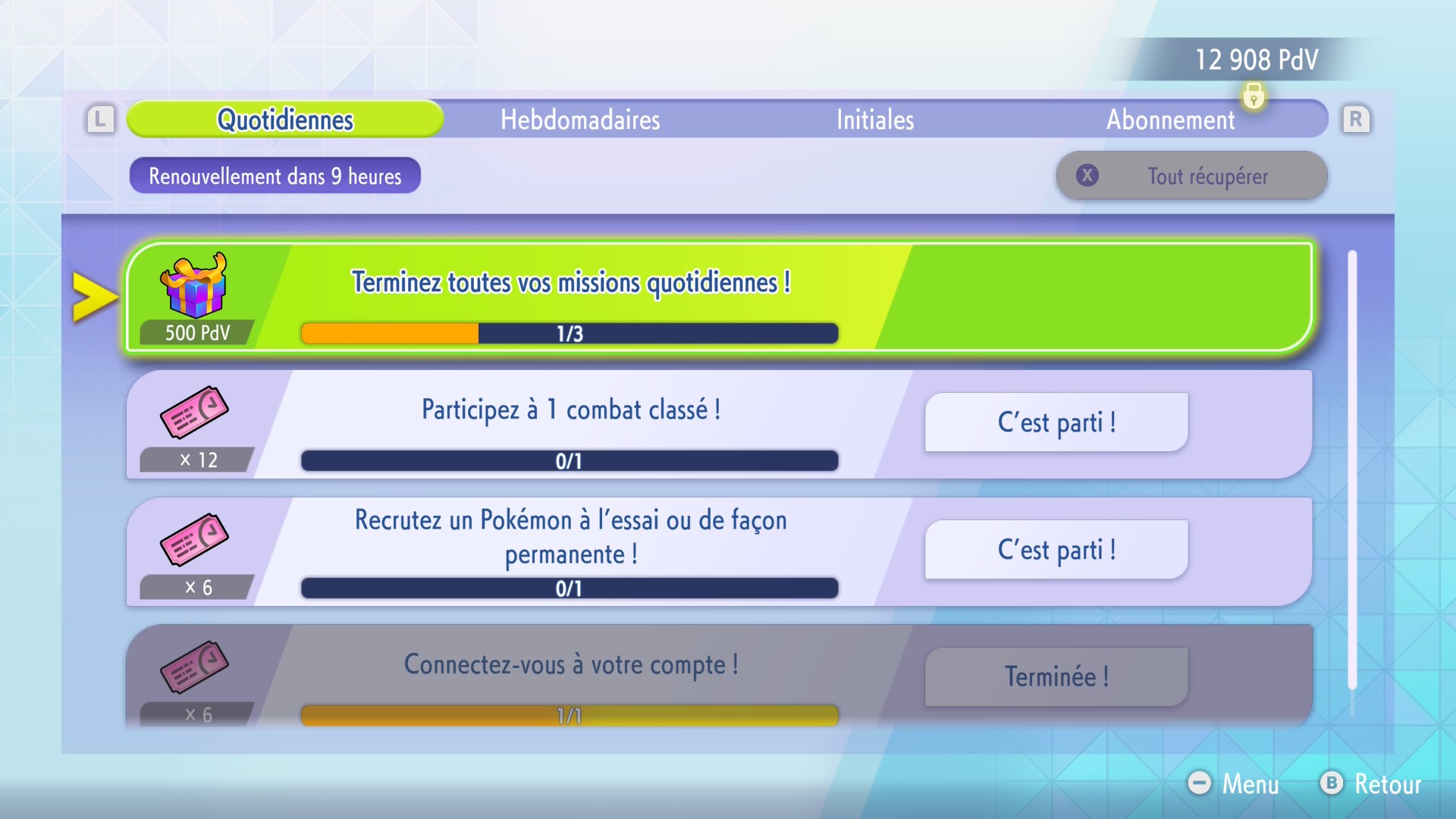
These can be unlocked by renting or purchasing them daily, or obtained using PDV, a form of accumulative currency that is also used to train these Pokémon. However, coupled with clunky subscription plans, there’s a time-based element that requires players to log in daily to maximize their progress. This creates a false sense of addiction driven by the fear of losing these benefits.
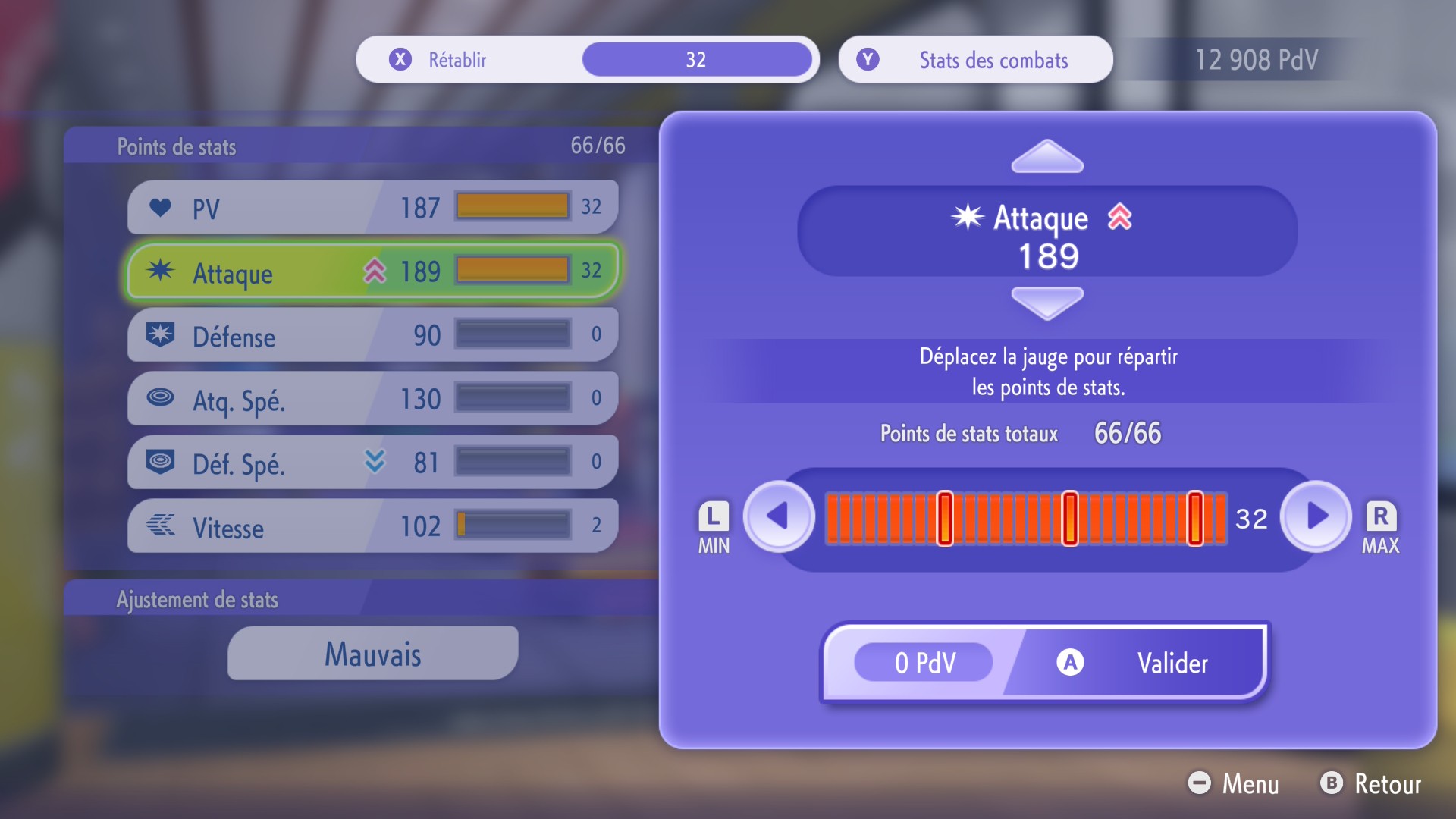
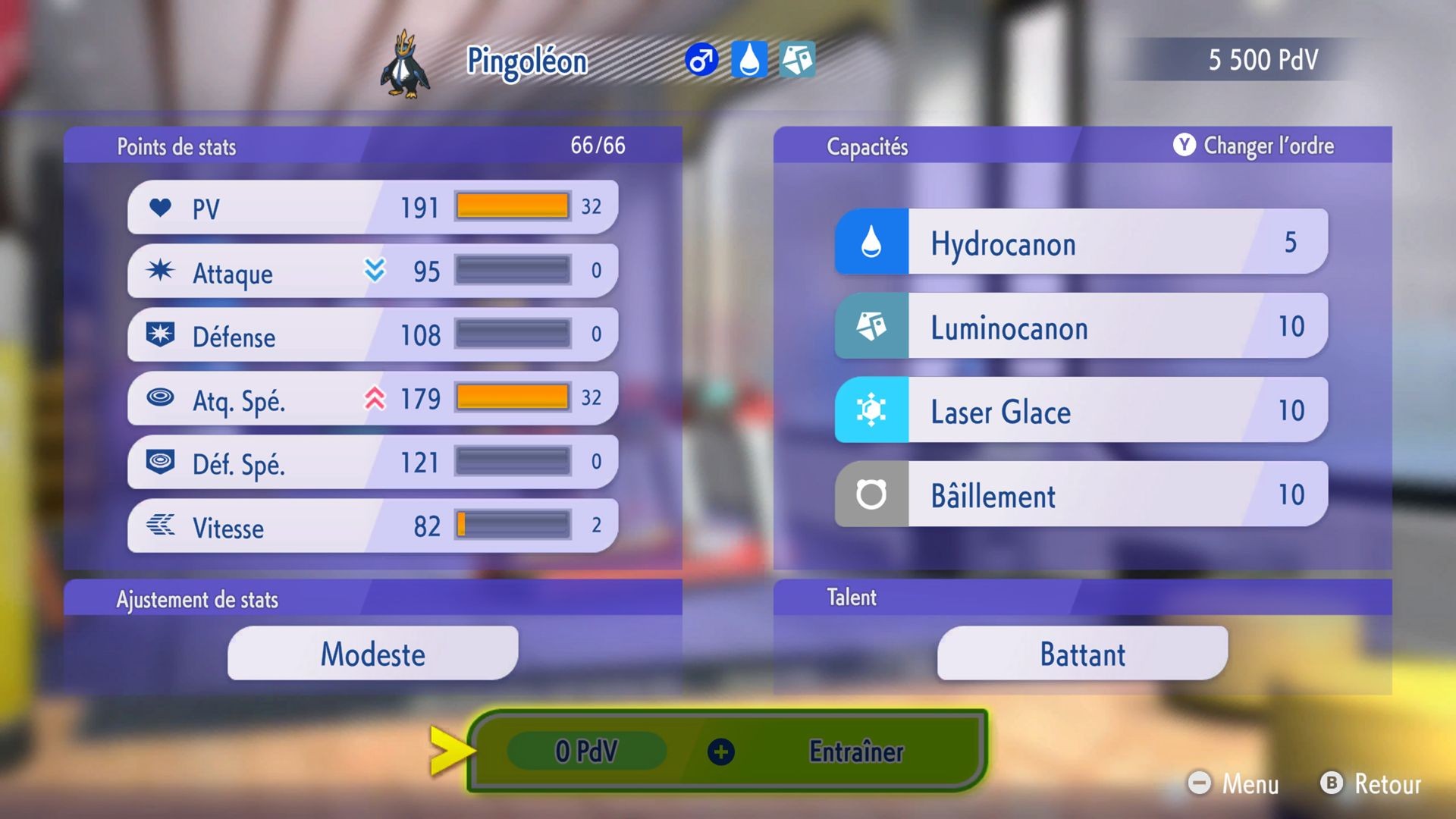
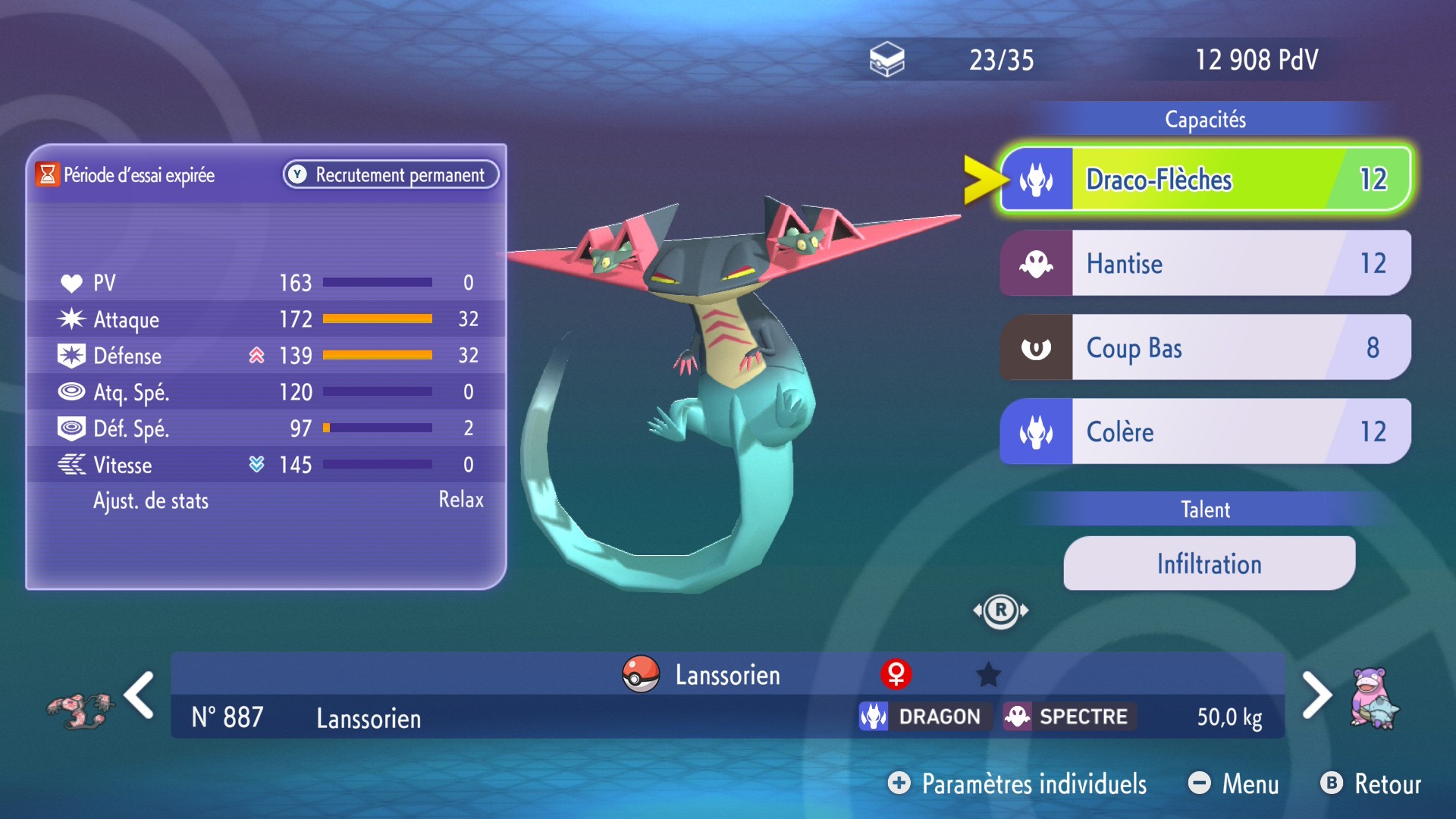
Training is also a cornerstone of the game. Significantly simplified compared to traditional entries, the goal is no longer to spend hours optimizing stats or hatching eggs, but to provide players with Pokémon that are already competitive. The game also offers the ability to adjust attacks, change abilities, or tweak stats to tailor a specific strategy. Finally, Pokémon Champions also features connectivity with Pokémon Home, a cloud service and mobile app that lets you store, transfer, and trade Pokémon captured in various recent games in the franchise, currently linking Pokémon Sword, Shield, Scarlet, and Violet, as well as the Pokémon GO mobile app.
But… while the concept seems solid, where does it fall short? Pretty much everywhere else.
Pricing, subscriptions, and plans
First and foremost, Pokémon Champions is a free-to-play game, but… not quite. It’s actually billed as “free-to-start,” meaning you can indeed download the game for free and jump right into online battles; however, the experience will quickly feel limited and frustrating if you don’t spend money. It’s also worth noting that, unlike Pokémon TCG Pocket—the mobile game featuring booster packs and battles—there’s no trial version of the paid subscriptions available, despite its success in that title.
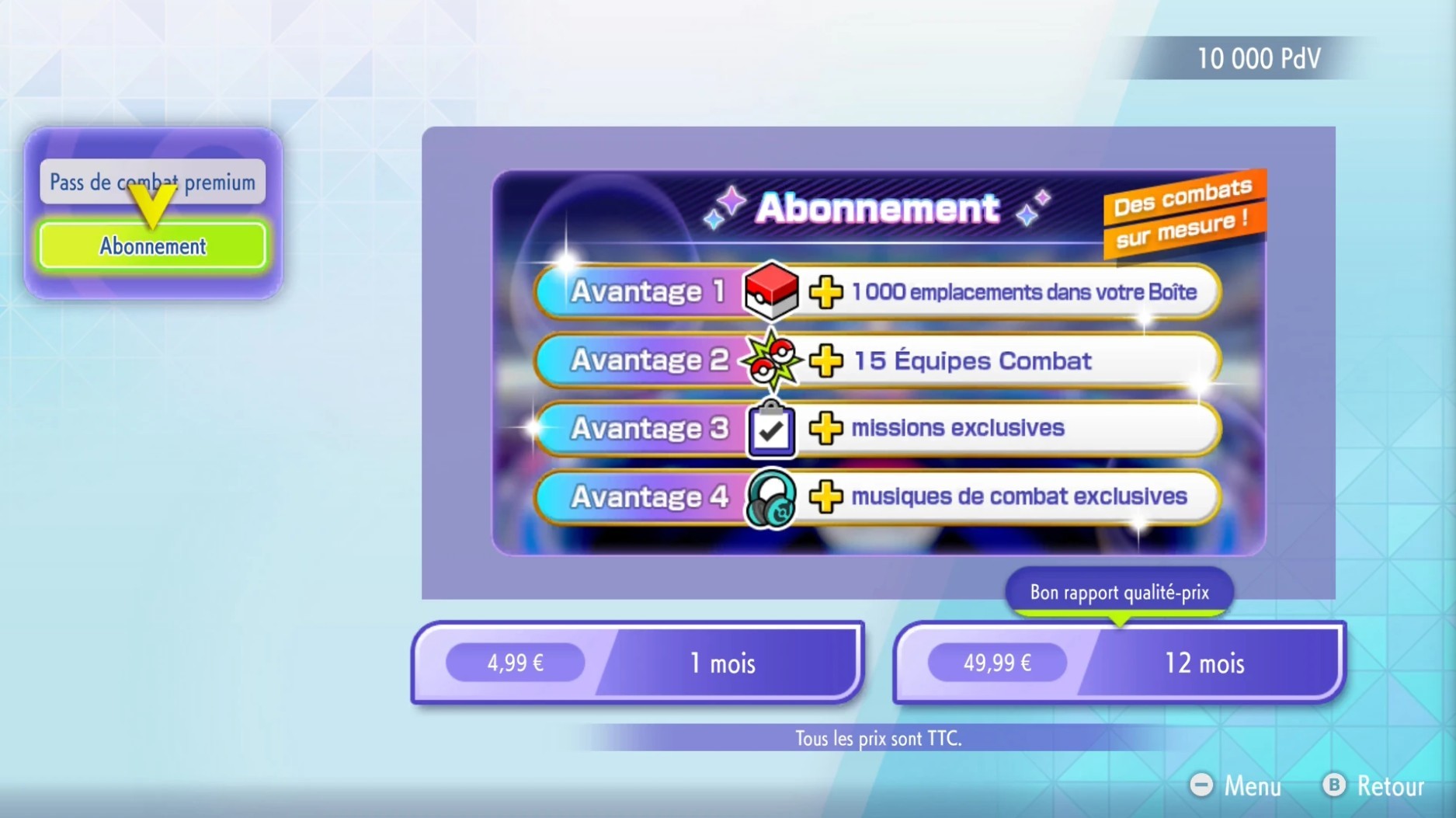
Speaking of spending money, the game does everything it can to encourage players to pull out their credit cards. First, there’s a €9.99 starter pack that increases Pokémon storage space—which you’ll quickly need to build more than just a few teams. Otherwise, there’s a monthly subscription (€4.99) or annual subscription (€49.99) that also increases storage, unlocks missions and exclusive battle music, as well as the inevitable Battle Pass at €6.99 per month for additional cosmetic rewards. Aside from the Battle Pass—which is a common feature in many games these days and essentially offers only cosmetic items—one might question the decision to charge for something as essential to the game as Pokémon storage.
Immersion and getting started
Now that we’ve taken an in-depth look at the concept and Pokémon Champions’ place within the franchise, as well as its cost and paid subscription plans, let’s move on to what it’s actually like to play, controller in hand. Right from the start, once you’ve customized your character, you’re thrown into a long and very restrictive tutorial where you can only perform the actions shown on screen. Well, “thrown” might be a strong word, since the tutorial is incredibly slow and technically clunky.
Once again, the cutscenes are particularly slow, the text scrolls at a dreadfully slow pace, the transitions aren’t smooth, and you can’t access the game’s options for the next 15 minutes. During these cutscenes—which feature standard Pokémon gameplay—you’ll find yourself hammering the A button to speed up the scrolling, yet you’ll hesitate to skip them for fear that there might actually be something useful to learn.
Now that the tutorial is over, it’s time to check out the game menu. While the menu features a design that’s fairly standard but effective, we’re most eager to dive into the options to adjust the text speed and other settings. First unpleasant surprise: very few options, and no text speed to adjust. It doesn’t take long to discover more unpleasant surprises: the menus and navigation are excessively slow and clunky… a fond reminder of the 3DS era.
Battles, content, and gameplay
Let’s finally get to the heart of this game: the battles. Pokémon Champions easily brings back memories of Pokémon Stadium (1999), and the comparison quickly becomes clear. You assemble your team to face off against other players online… and exclusively online. In fact, unlike Stadium, this title doesn’t offer an offline mode or local co-op mode. Everything requires an internet connection, which is already a source of frustration.
The battles themselves are pretty enjoyable: the models are decent, the animations are good too, and the interface is fairly intuitive. It’s true that a few essential strategic items are missing—like the Life Orb—but that’s not a major flaw either. Ranked matches use an Elo rating system and seasons, and there are also friendly matches available… but only in 3-on-3 format. We’re disappointed by the absence of the timeless and classic 6-on-6 format. Furthermore, only 189 of the 1,025 Pokémon are available as of now—that’s barely more than in the first generation—and it’s frankly disappointing.
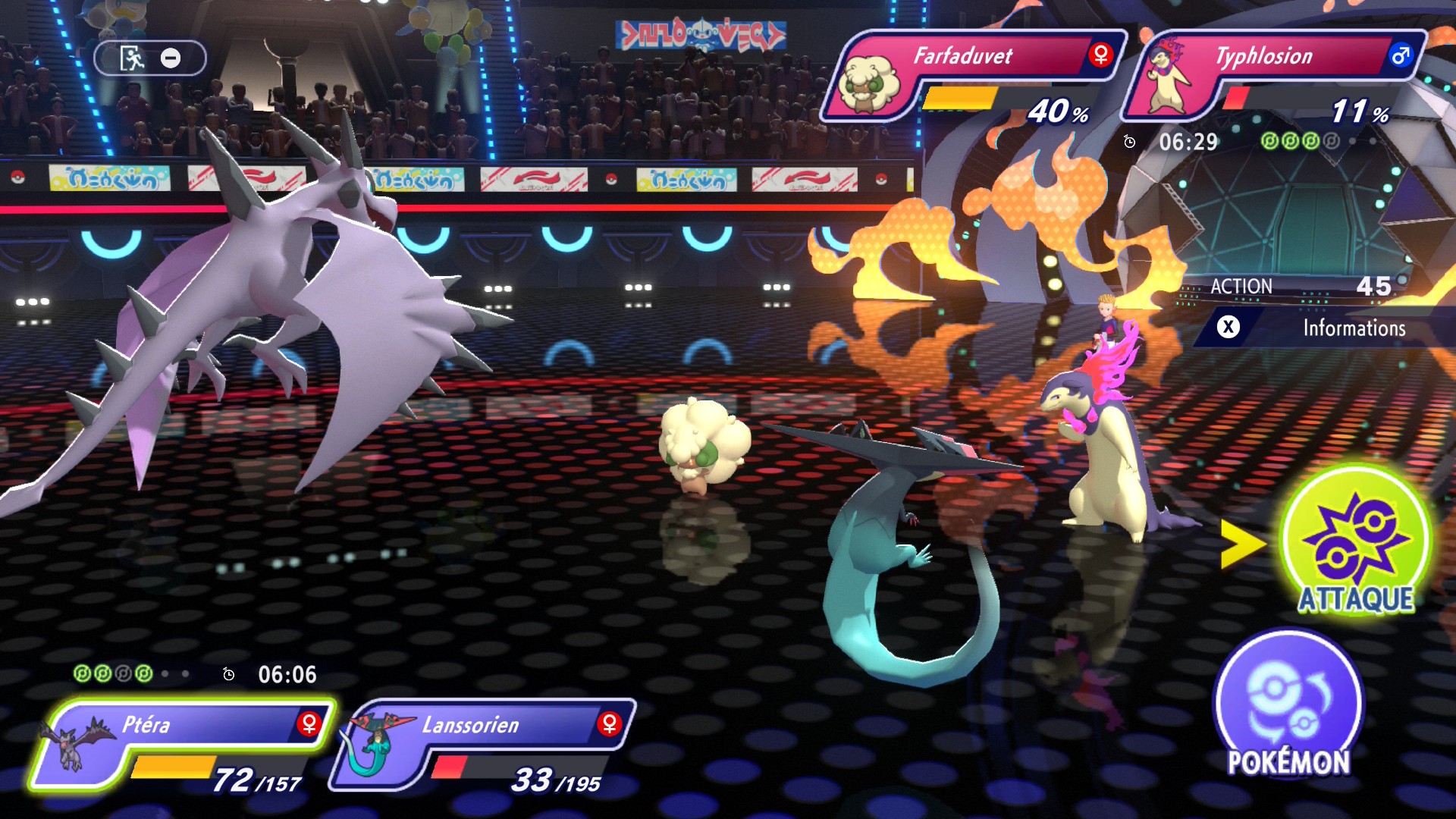
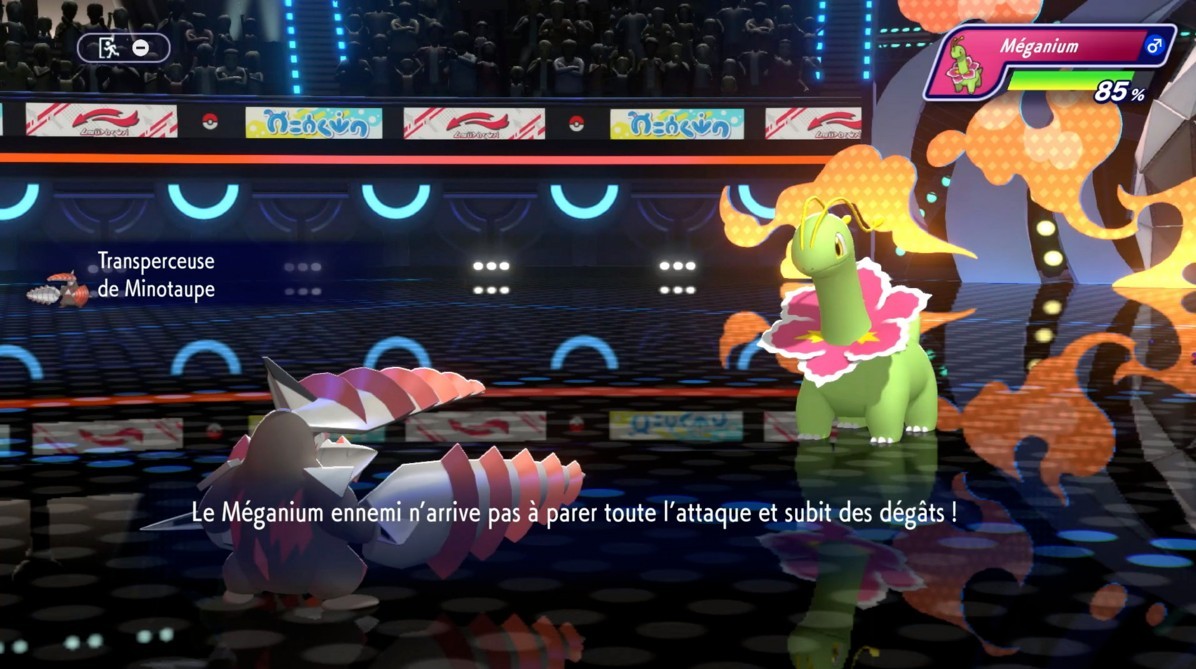
From a more technical standpoint, the textures are passable, though a bit lackluster, and there’s no Switch 2 version of Pokémon Champions. While this may seem trivial, it essentially means players have to settle for inferior graphics and a frame rate capped at 30 frames per second.
It leaves a slightly bitter taste in the mouth for those who invested in Nintendo’s new console for €469.99 and who, even now, have had to make do with Pokémon Pokopia as the only Pokémon exclusive on the Nintendo Switch 2 for nearly a year. Not that it’s a bad game—quite the opposite—but it’s certainly not the kind of experience fans of the main Pokémon RPG series were hoping for, especially since they’ve been waiting for a new main series entry since Scarlet and Violet back in 2022.
Tested on Switch 2. See our rating policy here.
4/10
In conclusion, we can say that Pokémon is just… Pokémon. It offers an interesting artistic vision and a strong strategic concept—appreciated by fans—that will undoubtedly find success within the Pokémon ecosystem… but these are marred by shoddy execution and compromises left and right. While the game will inevitably evolve and improve over time, it would be nice to have good Pokémon games right from launch day. Happy battling, everyone!
- + A popular and highly anticipated concept
- + Visually appealing
- + Free-to-play (more or less)
- - No Nintendo Switch 2 version
- - Slow and clunky menus and navigation
- - No offline mode, local co-op, or 6v6 mode
- - Too few Pokémon at launch (18% of the franchise)
- - No trial version of the passes
- - Questionable subscription plans