The Alters - The Last Variable Review: Hard work always pays off
, by Enzo
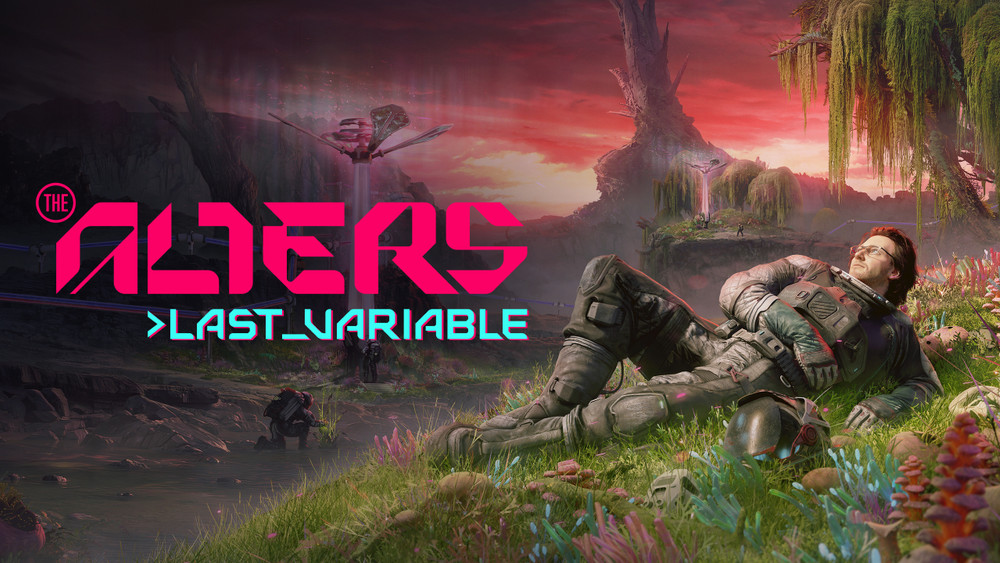
After releasing The Alters, a sci-fi adventure that was as original as it was deeply human, 11 bit studios is back with The Last Variable, an expansion that doesn’t simply aim to extend the story. It revisits the core game’s formula and pushes its boundaries, offering a significantly different experience. More scientific, more refined, and more focused on building than on survival, it above all gives the impression of wanting to let the player shape their own adventure.
What’s remarkable about this expansion is that the studio manages to surprise us once again, even though the bar was already set high with the main game. No fewer than 20 hours of content have been announced, which literally doubles the game’s lifespan. So many promises, and at a perfectly reasonable price. Where’s the catch?
Story: A more scientific plot... Almost too much so
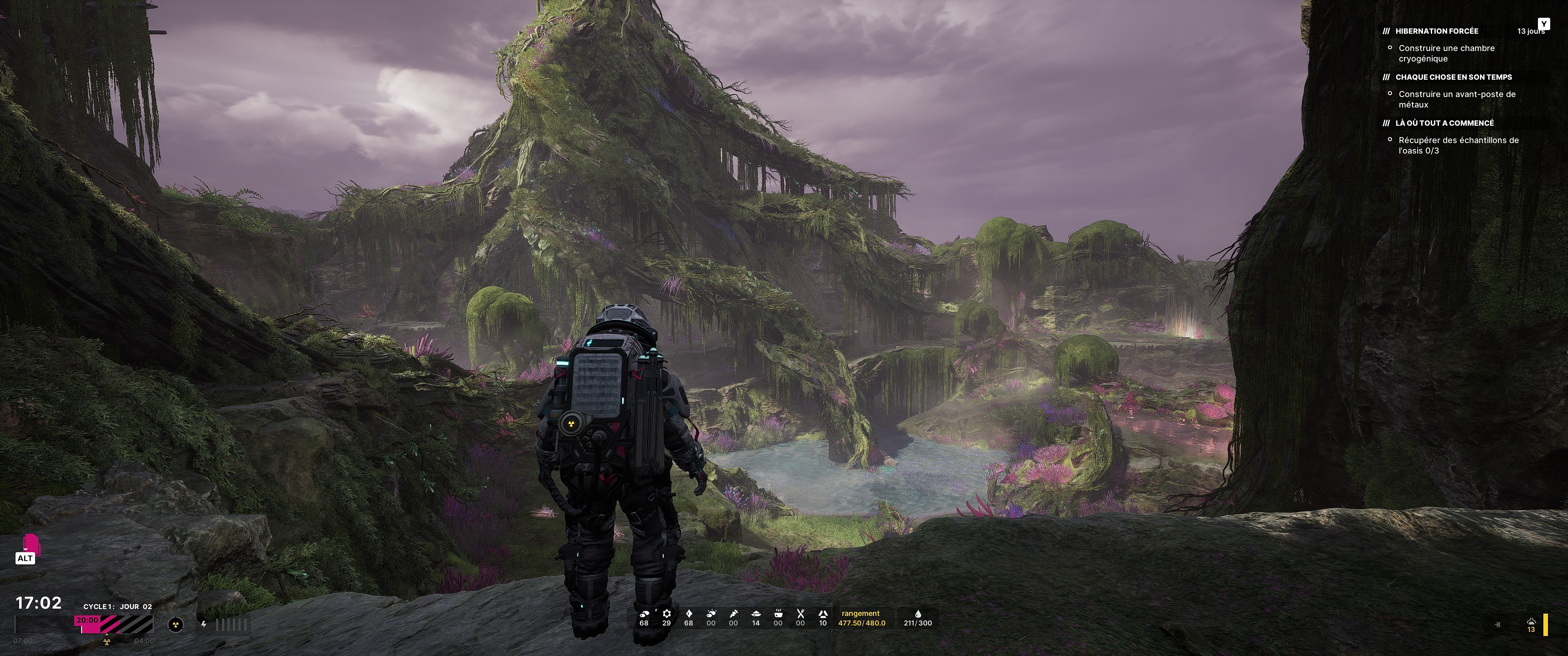
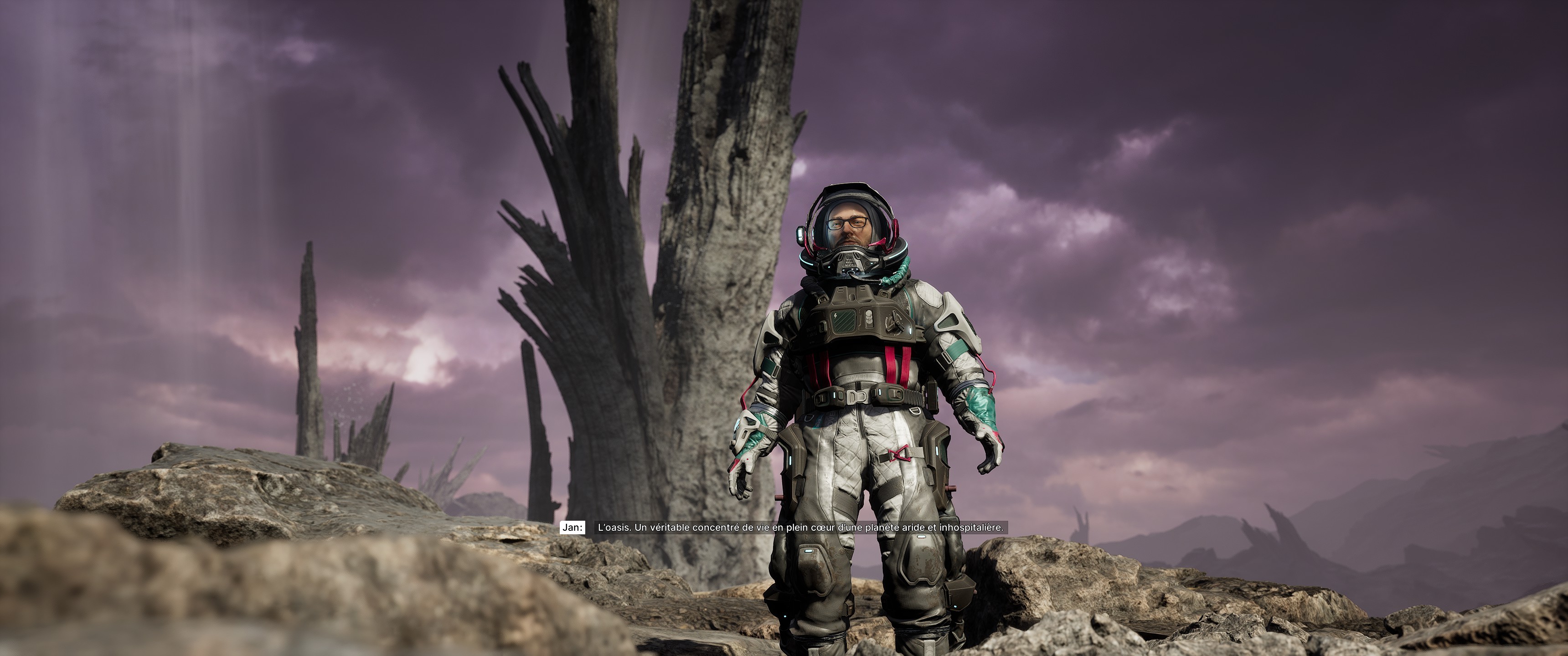
We’re reunited with Jan, his Alters, and that famous mobile base that must be kept operational while making progress on a hostile planet. Yet, from the very first minutes, something seems different. The environment features more greenery, the map appears smaller, and the overall atmosphere feels noticeably more peaceful.
Still, the plot retains its ability to hook the player, particularly thanks to several narrative branches that give certain decisions more weight. The choices aren’t always as radical as one might hope, but they allow you to alter the course of the adventure, making you want to explore the different possibilities.
The atmosphere is therefore more cerebral, more experimental, and sometimes even almost too scientific. We lose a bit of that intimate feel that was the strength of the first game, but we gain consistency with the expansion’s theme: understanding, testing, modifying, and observing the consequences.


Pacing: Loops instead of a spiral
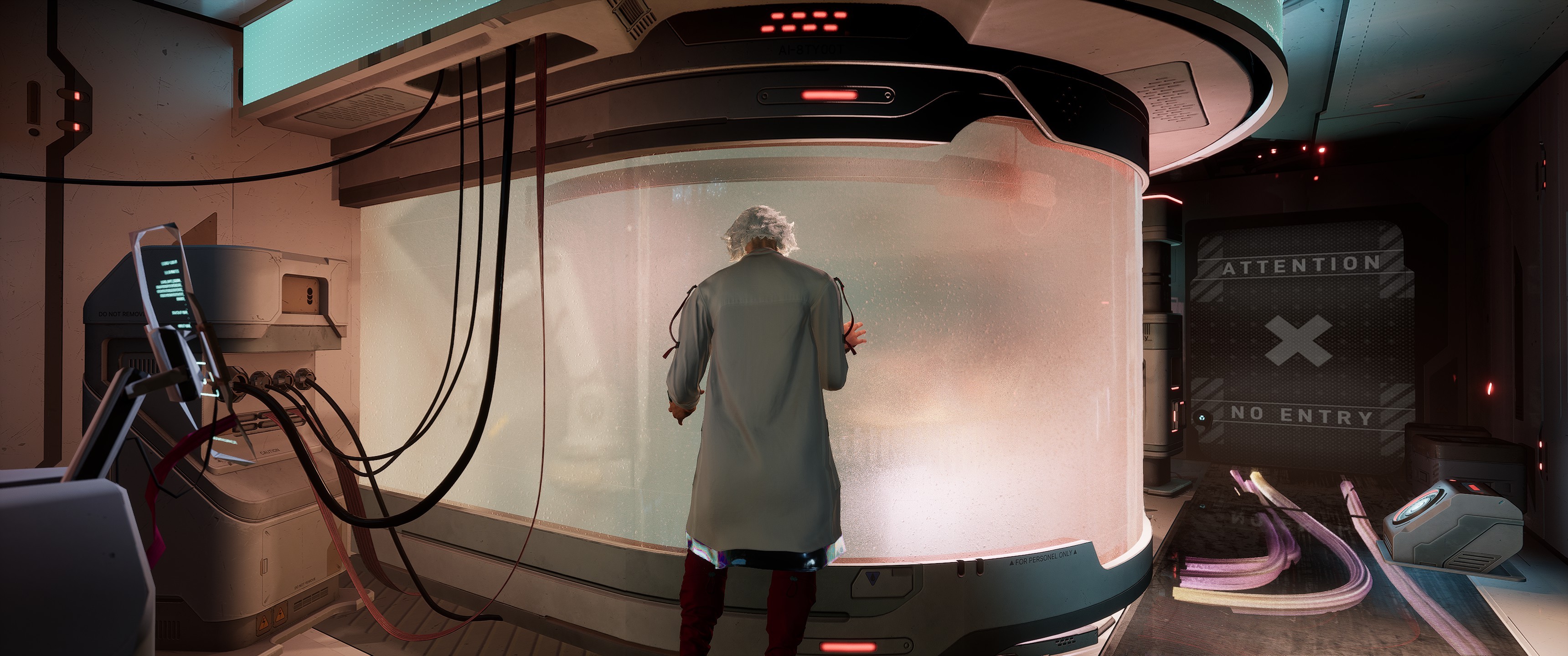
The change in pacing is probably one of the first things regular players of The Alters will notice. The Last Variable seems less obsessed with constant urgency. Once you’ve figured out the core mechanics, the safe zones give you more breathing room and time to think about your next moves, while cycle management still structures your progress.
Thus, it’s no longer a matter of absolutely finishing ongoing projects before having to move to the other side of the planet because of the sun, but rather of experimenting more, while focusing on protected areas, which will maintain progress. You take the time to organize your setups, think about priorities, and determine which Alter will be best suited for a given task.
This philosophy makes the experience less stressful, but also sometimes less intense. There are fewer moments of tension, and conflicts between Alters seem to have been greatly reduced (much to the delight of some). Whereas the original game constantly confronted Jan with the human consequences of his choices, The Last Variable seems to be telling him: Now that you understand, show me what you can build with all this.


Gameplay: is this Satisfactory? (perhaps a bit so)
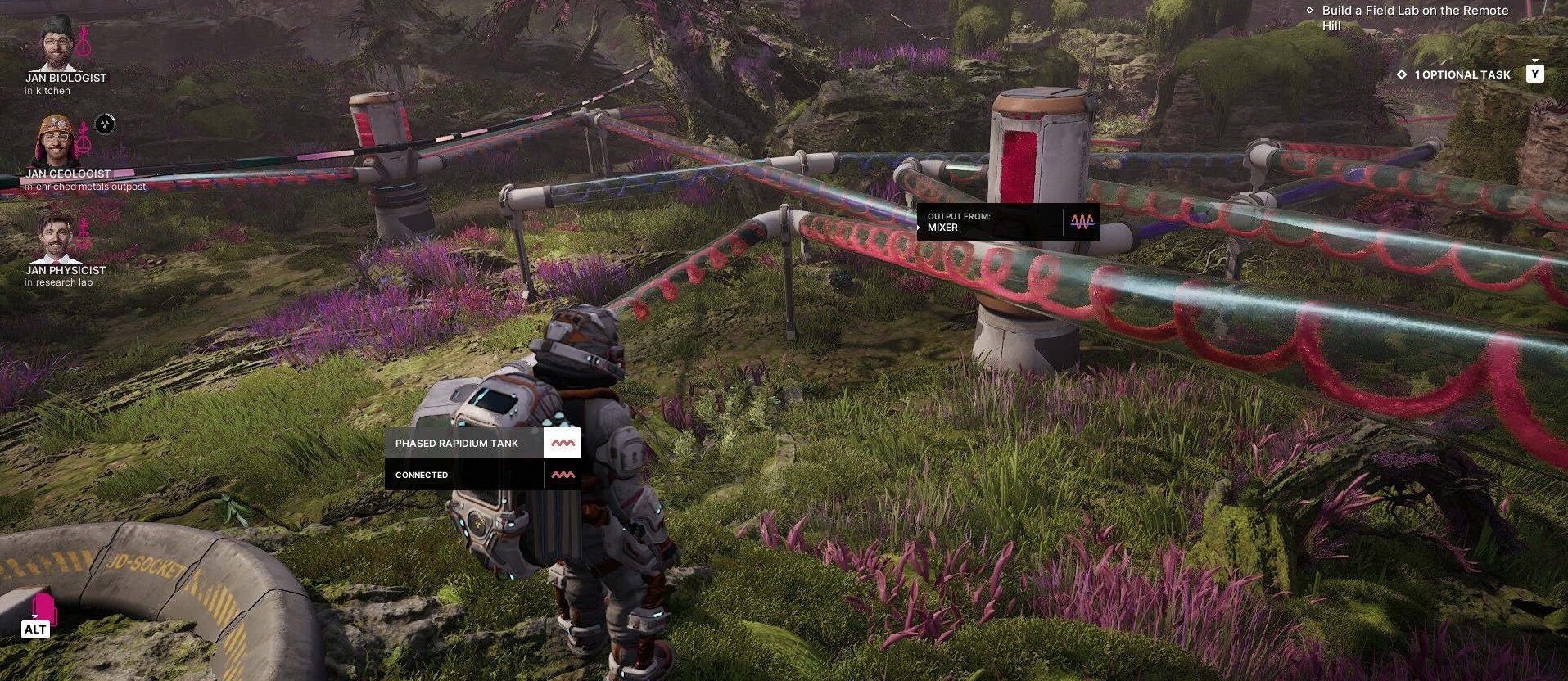
In the end, it’s when it comes to gameplay that The Last Variable proves most surprising. The expansion adds several new features that significantly enhance the management and automation aspects. First and foremost, terraforming plays an important role, giving the player the impression of gradually transforming their environment rather than simply enduring it.
With this system, you can now really take the time to think through the layout of your facilities, the flow of resources, and how to optimize your production. And honestly, that’s necessary if you don’t want to have to start over 10 times. At times, it feels a bit like a Satisfactory-lite: production lines become larger, and the organization of the base takes on a slightly industrial feel.
Tested on PC. See our rating policy here.
9/10
The Last Variable is an expansion that seeks not so much to extend The Alters as to offer a different take on it. With a greener, seemingly more compact map and a less oppressive atmosphere, it contrasts with the original game. The Alters argue less, as if they’ve finally learned from their past mistakes, and this evolution is even incorporated through a playful sort of meta-narrative involving JanBot.
Above all, the philosophy has changed: The Alters was about experiencing the adventure, while The Last Variable is more about shaping it. Choosing which Alters to send, setting priorities, planning projects, terraforming, and new production mechanics give the player a more active role in building their own adventure. A great example of what an expansion can bring to a game!
- + Tangible and well-executed new features
- + A more scientific focus
- + Great length and content
- + Less management of the Alters’ emotions
- - Cycles may seem endless at first, but timing can be tight still