BioWare's successes and failures: the story of the studio's life
, by Quentin
It is common knowledge that the life of a company is not always smooth sailing, and the world of video games is no exception to this rule. Every studio goes through periods of turmoil, some more intense and some shorter than others.
From legendary franchises to critical successes
Although the company was fortunate enough to celebrate its 30th anniversary this year—which is a real achievement in an industry that is constantly evolving and undergoing numerous changes—it has not been spared from difficulties, especially in recent years.
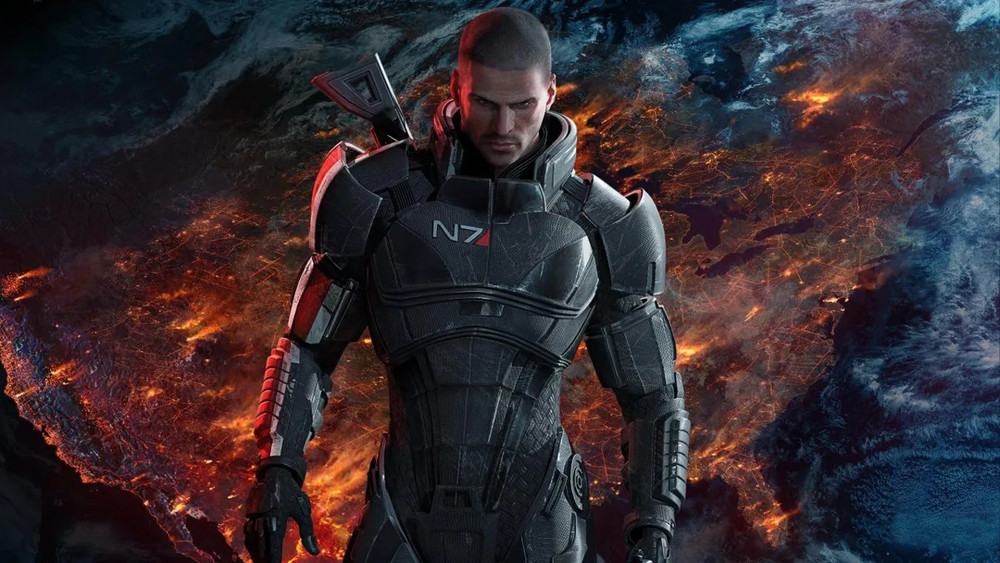
But first things first. Before discussing its recent setbacks, let's talk about the notable series it has developed and the successes we owe it. Whether it's Baldur's Gate, Neverwinter Nights, Star Wars: Knights of the Old Republic, or BioWare's two ultimate pillars, Mass Effect and Dragon Age, the studio has brought many legendary franchises to life.
From the mid-1990s to the early 2010s, the studio achieved near perfection, accustoming players to ambitious and inventive works that pushed the boundaries of the genre each time. This was a remarkable feat in an industry overflowing with offerings.
This mastery extended to its game engines, often developed in-house: Infinity Engine, Aurora Engine, Odyssey Engine, Eclipse Engine... all tools that served both its own creations and those of its partners. Technical and creative expertise, with inspired teams delivering varied and often memorable experiences.
https://www.youtube.com/watch?v= -_6ZMr2bMco
The big buyout by Electronic Arts
Such talent did not escape the attention of the industry giants, and so Electronic Arts bought BioWare (along with Pandemic Studios) on October 11, 2007, after 12 years of independence, for a total of $860 million.
This was followed by several prosperous years. BioWare enjoyed huge success with its two flagship franchises: Mass Effect and Dragon Age. Both were critical and commercial successes. In 2018, it was announced that Mass Effect had sold over 25 million copies worldwide. As for Dragon Age, although the figures are less detailed, we know that Dragon Age: Origins exceeded 3.2 million sales in three months, Dragon Age II reached 2 million in two months, and Dragon Age: Inquisition exceeded 12 million units.
The beginning of all the trouble...
But starting in 2017, the well-oiled machine began to falter. That was the year Mass Effect: Andromeda was released, a highly criticized installment. Although it has its defenders, the gaming press and a majority of players criticized its chaotic launch, riddled with bugs and featuring botched facial animations that quickly became the laughing stock of social media.
Fundamentally, the game also lacked substance: an uninspired storyline, subpar writing, choices with little impact, and exploration that was less memorable than before. This misstep seriously damaged the studio's reputation.
And that was only the beginning. In 2019, Anthem was released, considered one of the biggest flops in modern gaming history. Yet technically, the game is sublime, with impressive panoramas and polished aesthetics. But in terms of substance, it's an empty shell: repetitive gameplay, an unexploited universe, limited AI, an unengaging loot system, and meager content.
Despite this, Anthem sold over 2 million copies in its first week and even surpassed 5 million in its lifetime. But players quickly lost interest, and the title fell into oblivion. The servers will be permanently shut down on January 12, 2026.
BioWare struggles to see the light at the end of the tunnel
BioWare attempted a comeback with Dragon Age: The Veilguard in 2024. While the game was far from being a flop comparable to Andromeda or Anthem, it also failed to recapture the magic of yesteryear. According to EA, the title attracted 1.5 million players in two months, but internal expectations were twice that.
Today, the studio is working on the return of Mass Effect. Announced in December 2020, a first teaser was released, followed by a brief appearance in 2023 on N7 Day. But development seems to be slow going. A weakened BioWare is gradually being dismantled by Electronic Arts. Internal tensions pit the Dragon Age teams against the Mass Effect teams, revealing deep disagreements over creative direction and corporate culture.
These conflicts weighed heavily on production, compromising the future of Mass Effect. BioWare remains very quiet about the project today. But despite the turmoil, the studio still holds a special place in the hearts of many gamers.
It has been inspiring us for decades. Let's hope it manages to get back on its feet and rediscover the spark that has made such an impact on the industry and its fans. Because BioWare has never been a studio like any other.