Discovering Side and the role of a support studio in the video game industry
, by Quentin
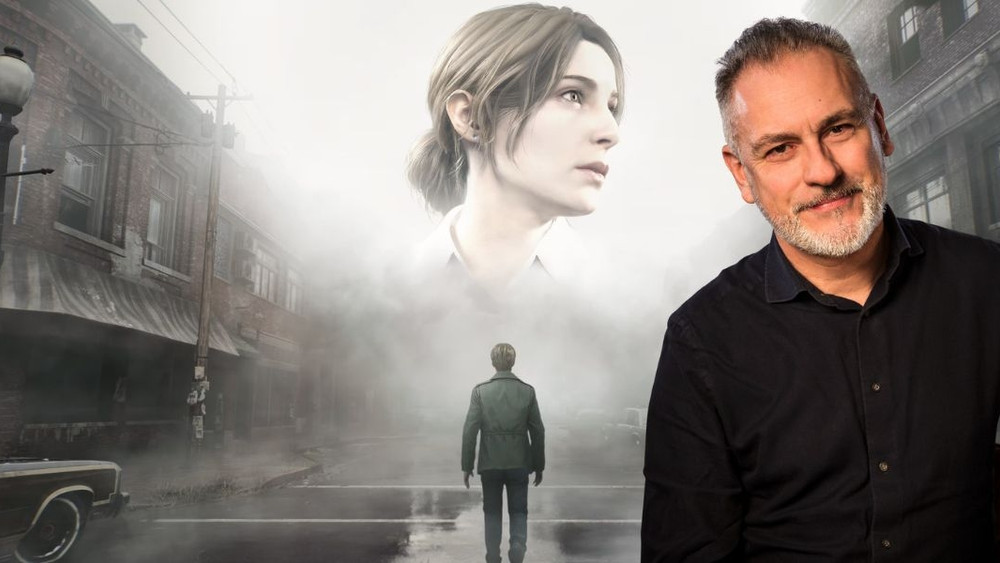
Instant Gaming News had the opportunity to talk with a member of the Side studio, a company that provides technical and creative support to other companies such as Ubisoft and Bloober Team.
Here's our interview with Olivier Deslandes, Senior Vice President, Global Strategy & Growth at Side, who explains the role of his company and the different areas in which it operates.
Could you introduce Side to those who don't know the company and tell us more about your role within it?
Being a support studio, regardless of the service, basically means that our employees join partner developers' projects to provide the manpower needed to create a game. Being a support studio is a unique role in that you are absolutely essential to the business. No major game is released without the help of a support studio, and yet almost no one knows you're there. We are the invisible engine of the video game industry.
When you are called upon to support a production such as the remake of Silent Hill 2, for example, do you have access to the same information as the main studio, or is everything locked down and limited to very specific tasks?
It really depends on the project and what stage of development it's at. Of course, regardless of the department, we have very strict security measures in place, whether it's hardware, software, or even in our buildings, to ensure the security of intellectual property.
We tend to get a sneak peek at the games we're working on, which is one of the perks of the job—sometimes friends will talk excitedly about an upcoming release, when you've already secretly played through half the game.
What does a typical collaboration between Side and a partner studio look like, from the initial contact to the end result?
For Side, many projects come from clients who already know us. As our teams have been around in one form or another for nearly 20 years, this represents a lot of networking and a lot of experience. We are fortunate to be considered one of the pillars in audio and QA in particular—and being strong in these areas has allowed us to attract business in other service lines.
You also take on other responsibilities for studios, including localization, as you mentioned earlier. This part of the job is often overlooked by the general public—could you explain what it involves?
Yes! And it's crazy when you think about the amount of skills required for localization. Take a franchise like Star Wars, for example. Words and language are an essential part of that universe—how do you translate “Stormtrooper” into French? In German? In Japanese? Our localization teams are made up of multilingual video game enthusiasts who are willing to take the time to find the perfect match for a fictional world or a silly joke in another language, so that all players can enjoy the same experience.
There is also a risk management aspect to localization: certain expressions or words can have a double meaning, or even an opposite meaning in another language. There may be cultural sensitivities or historical context to consider—it's better for your QA team to spot these than your fans.
In short, localization is about ensuring that players experience every aspect of your universe as you imagined it, in any language, while respecting the creative direction and sensitivities of the market. From a business perspective, this protects your brand and the experience it offers, regardless of where your consumers are located.
As a support company working with other studios, do you feel that your teams are listened to by those you assist? Are your expertise and ideas taken as seriously as those of internal teams?
Absolutely, and in our view, if we are not considered an extension of the internal team, then we are not doing our job properly. Silent Hill 2 is an excellent example of collaborative work. We worked on two boss fights, one from beginning to end, and for the other, we provided the technical skills to bring the developer's vision to life.
Have you ever had to turn down a project for creative or technical reasons?
I'm happy to say no! Side as we know it today was born in March of this year following a rebranding, but we benefit from a legacy that dates back to 2009, representing almost twenty years of expertise in video games. During this time, we have been able to gain a real technological edge, for example with mocap, by opening the very first motion capture studio dedicated to video games in London with Imaginarium.
Of course, working with AAA clients means constantly innovating to stand out and offer unique advantages in every aspect of the game. We face new challenges all the time, but we have a team of the best people who enjoy taking on these challenges and never back down.
Do Side devs want to create their own experiences or intellectual property, or is their creativity already fully expressed in this type of structure? Is it one of your ambitions to one day develop your own games using your expertise?
Of course! And many of our developers have self-published their own games; a truly creative team is always so, both in and outside of work.
Here at Side, we continue to support devs and publishers in creating their games, but who knows what the future may hold in store for us.
We would like to extend our most sincere thanks to Olivier Deslandes for taking the time to answer our questions and tell us more about his work at SIDE. It is always great to get a glimpse of the different structures that make up the video game industry.