Why has Ubisoft been doing so poorly for so long?
, by Quentin
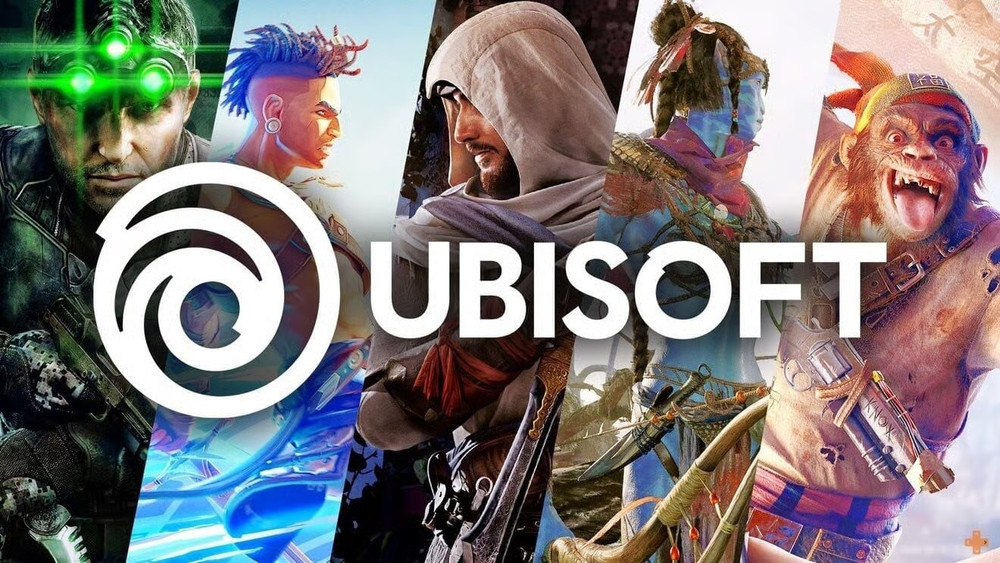
While Ubisoft has been one of France's flagship videogame companies for over 35 years, thanks in no small part to its strong IPs and varied catalog, the company now seems to be going through endless problems.
Scandal after scandal
First, there are the scandals that have shaken the company since 2020, when we learned of the sexual and moral harassment perpetrated by really emblematic figures at Ubisoft. There's Tommy François, who was vice-president of the editorial department, Serge Hascoët, former number two, and other executives whose names have not been revealed and have since been accused.
Then, one of the company's top creative talents, Michel Ancel, left the company at the same time as there were some internal investigations against him, accusing him of being a really toxic manager.
All the while, we have Ubisoft doing a poor attempt of damage control by firing those responsible for these accusations, promising to assess the working climate in depth and explaining that the company will listen to the slightest complaint.
Lack of control over production
In addition to the terrible deeds done by a handful of company personalities, we must add yet another problem to the equation: that of development failing to materialize. One example is Skull and Bones, and another is Beyond Good & Evil II, supposedly the greatest video-game story of all time, originally announced back in 2008.
Then there's the remake of Prince of Persia: The Sands of Time, announced in September 2020 at an Ubisoft Forward and scheduled for January 2021, with development being carried by the teams at Ubisoft Pune and Ubisoft Mumbai. Unfortunately, the first images of the game found lots of complains, with some finding the remake technically outdated.
After plenty of delays, the company decided to change its development studio, handing over to Ubisoft Montreal, the company behind the original game. Ubisoft Toronto is also on board, and the game is now scheduled for release in 2026. There's still a long way to go, though...
Artistic stagnation
The company headed by Yves Guillemot, co-founder and current CEO, also seems to have run out of steam artistically. It's taking less and less creative gambles, what with the ever-increasing cost of its games, and is locking itself into a formula that gamers have found boring for too long now.
Unfortunately, Ubisoft seems to want to find shelter in a few lucrative licenses, such as Far Cry or Assassin's Creed, even if it means losing its touch. The company is also struggling to make its games last, although Rainbow Six Siege is an exception, holding its own for many years with regularly added content and a player base that remains extremely solid.
At the same time, Ubisoft has problems with resurrecting some of the much-loved older franchises in its catalog, such as Splinter Cell, which is still gone, and Rayman. According to our information, the latter will benefit from a remake that has been in development for over a year.
There are also the cases of Star Wars Outlaws and Avatar: Frontiers of Pandora, which were neither a resounding commercial success nor achieved the company's objectives. This situation is all the more problematic for a license like Star Wars, which tends to create a great deal of excitement among gamers. But once again, Ubisoft seems to have its blinkers on, and is not listening to the very strong complaints from its fanbase.
The same criticisms come up again and again: the desire to impose an open world at all costs, without giving it any meaning, i.e. the life this structure should offer. Ubisoft's games continually come up against these pitfalls, constantly proposing empty worlds, filled only with collectibles, and featuring with an invasive HUD, spoiling all the pleasure of exploration and discovery. What's more, the game's artwork is becoming increasingly stagnant, further tarnishing the final product.
And yet, just when you think the company has reached an insurmountable impasse, it occasionally manages to remind us that all is not lost. Take, for example, the excellent surprise Prince of Persia: The Lost Crown, which revives Jordan Mechner's universe with a polished 2.5D platformer filled with long-lost AA charm, far removed from this absurd obsession with inventing the quadruple A at all costs.
Management that doesn't know when to leave
Furthermore, Yves Guillemot does not seem ready to relinquish his position or consider succession. The man who has made his company grow and shine for several decades now seems outdated and out of line with the industry's new challenges. We can only be grateful that Ubisoft is one of the largest employers in the industry, with over 19,000 employees worldwide, but this position could be threatened by the company's often questionable choices.
The stock market has not been very supportive of Ubisoft in recent months, to the point where there are rumors of privatization aplenty. For some time now, it has been rumoured that Tencent might be interested in buying the French gem.
There's no denying that Ubisoft is in dire straits, but the hardest part is admitting that a happy ending is becoming increasingly difficult. The facts are there, but the solutions seem to lie in listening more closely to gamers' expectations, making strong proposals through new licenses and the return of some much-appreciated and long-awaited ones, as well as a strong and beneficial change of direction.